Car Safety Score Calculator
Risk Assessment Guide
Key Safety Factors:
- Location: Designated zones are safer than beachfront lots
- Visibility: Avoid spots visible from roads or paths
- Lighting: Exterior lights attract attention
- Window coverage: Essential for privacy
- Security: Locking systems and alarms reduce risk
Sleeping in your car at a beach campsite sounds simple-until you realize how many things can go wrong. You’ve got salt air, curious animals, strangers walking by, and the constant hum of passing cars. And if you pick the wrong spot, you might wake up to a broken window, a stolen phone, or worse. The truth? Not all beachside parking spots are created equal. Some are death traps. Others are quiet, secure, and surprisingly comfortable. Here’s exactly where to park, how to set up, and what to avoid if you want to sleep safely under the stars.
Forget the Beachfront Parking Lot
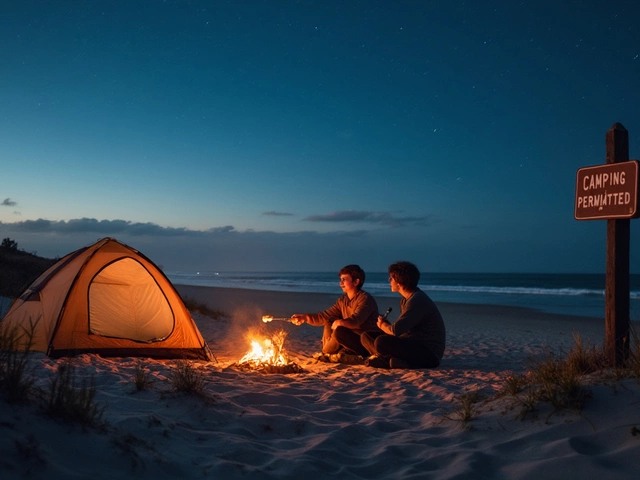
The most obvious place to sleep is right next to the sand. But that’s also the most dangerous. Beachfront parking lots are designed for day-trippers, not overnighters. They’re lit up at night, often monitored by security cameras that only record motion-not who’s actually around. And because they’re popular, they attract the wrong kind of attention. Thieves know people leave valuables in cars while they go for a midnight swim. Campers who don’t know better leave tents and coolers out in the open. That’s a billboard for trouble.One camper in Byron Bay in 2024 reported waking up to someone trying to pry open his rear door. He had parked right at the end of the main lot, where the lights faded into shadow. He didn’t hear anything until he felt the handle jiggle. He didn’t lose anything-but he didn’t sleep again that night. That’s the cost of being visible.
Look for Designated Overnight Parking Zones
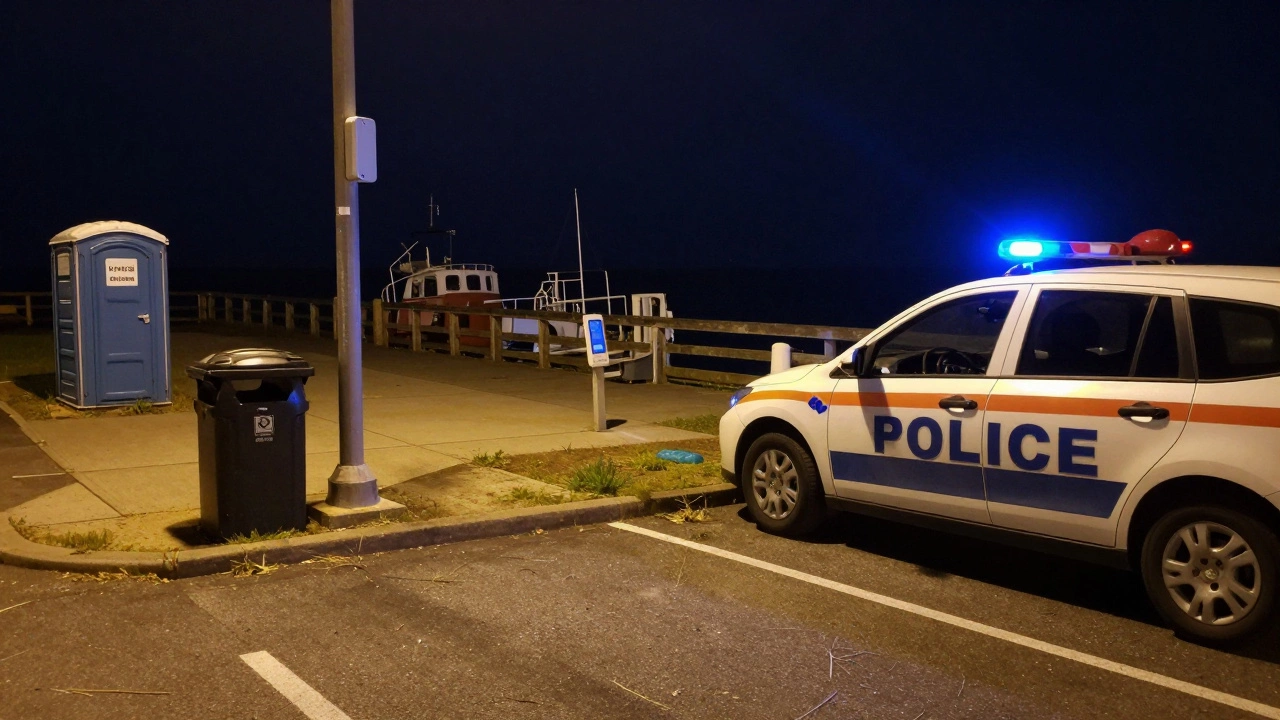
Many coastal towns now have official spots for people sleeping in their vehicles. These aren’t always marked as “camping,” but they’re there. In New South Wales, places like Coffs Harbour, Port Macquarie, and Nowra have council-approved pull-offs where sleeping in your car is legal and monitored. These spots usually have:- Street lighting (but not too bright)
- Regular patrols by local police or rangers
- Trash bins and public toilets nearby
- No signs saying “No Overnight Parking”
Check the local council website before you arrive. Type in “[Town Name] + overnight parking + vehicle.” If you see a map with a little car icon, that’s your target. These spots are often tucked away from the main beach access-maybe near a boat ramp, a public park, or a fishing pier. They’re not glamorous, but they’re safe.
Use Natural Barriers to Your Advantage
If you’re in a remote area with no official parking, your best bet is to use the landscape. Don’t park right on the road. Don’t park under a streetlamp. Look for spots where:- There’s a low wall, fence, or dense shrubbery between your car and the beach path
- You’re tucked into a corner, not in the middle of a wide-open lot
- You can’t be seen from the main road or walking trail
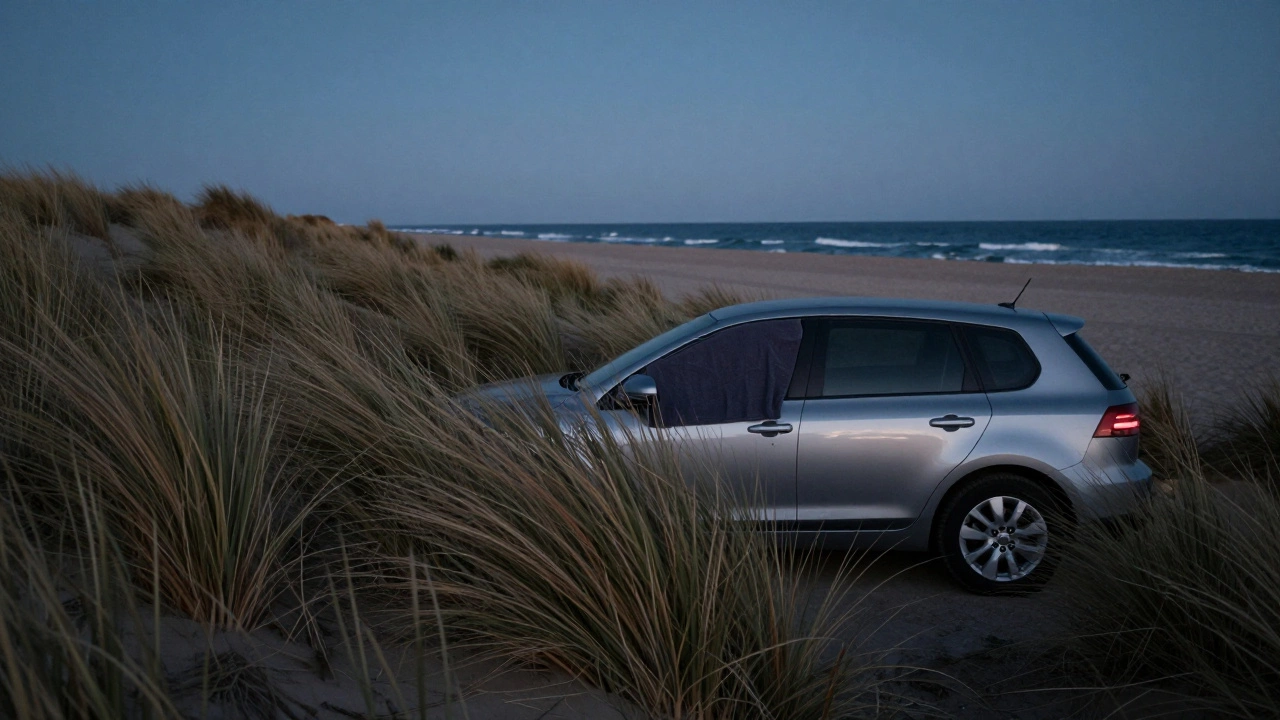
One rule of thumb: if you can see someone walking toward your car from 50 meters away, they can see you too. That’s too exposed. Find a spot where your car is partially hidden by dunes, rocks, or trees. You don’t need to be invisible-just hard to notice. A car parked behind a row of marram grass at a secluded beach in Kiama was never disturbed for three weeks straight, even though it was only 100 meters from the sand. Why? Because no one thought it was a sleeping spot.
Never Park Near Public Toilets or Trash Bins
This one catches people off guard. You’d think being close to amenities is a plus. But in reality, public toilets and trash bins are magnets for people who aren’t there to camp. That includes homeless individuals, drug users, and opportunistic thieves. At a beach in Wollongong, a group of campers parked next to the public restroom because it was “convenient.” By 3 a.m., someone had broken into two cars nearby and stole batteries, chargers, and a cooler. The police later said the trash bin had been used as a lookout point.Always park at least 100 meters away from public facilities. If you need to use the toilet, go during daylight. Carry a portable toilet or use a bottle. It’s not glamorous, but it’s safer.
Turn Off All Lights and Cover Your Windows
Even if you’re parked in a perfect spot, one lit-up window can ruin everything. People walking by see movement. They see a phone glow. They see a face. That’s all it takes to trigger curiosity-or worse, intent.Use blackout curtains. You don’t need fancy ones. A cheap set from a camping store works. Or use dark towels taped to the inside of your windows with reusable clips. Cover the rear window too. If you’re using a car with tinted windows, you’re still not safe-tint doesn’t block infrared or night vision.
Turn off your interior light. Even the dome light left on by accident can draw attention. Use a headlamp with a red-light mode if you need to see something at night. Red light is the least visible from outside.
Lock Everything. Even the Trunk.
Most people lock their doors. That’s good. But they forget the trunk. And the glove box. And the center console. A study by the Australian Bureau of Statistics in 2023 found that 68% of car break-ins at coastal sites happened because the thief didn’t need to break a window-they just opened the trunk, which was left unlocked.Keep your keys, wallet, phone, and camera in a small, locked bag under your seat. Don’t leave your backpack on the passenger seat. Don’t leave your laptop charger plugged in. If it’s visible, it’s a target. One camper in Margaret River lost $800 worth of gear because he left his GoPro on the dash. He thought it was “just a camera.” It wasn’t. It was a signal that he had other expensive stuff.
Use a Motion-Activated Light or Alarm
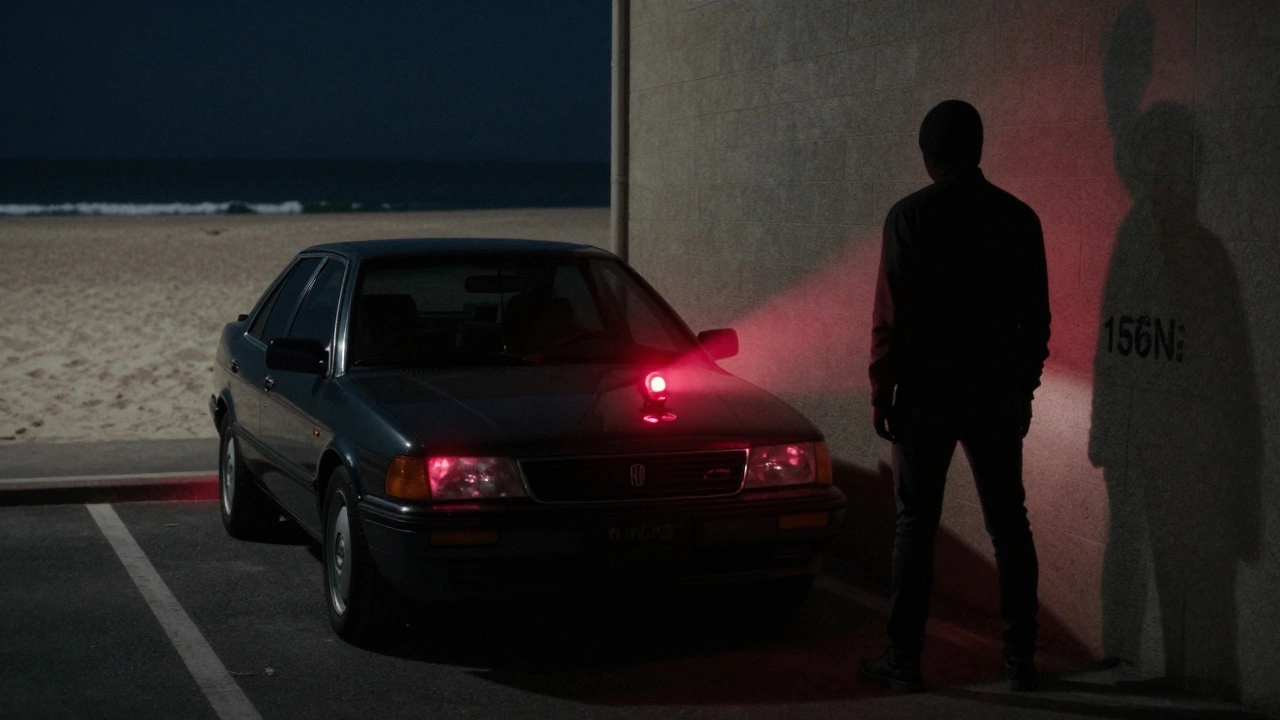
A $20 motion-sensor light stuck to your dashboard can be your best friend. When someone gets too close, it flashes. Not bright enough to blind, but bright enough to startle. Most thieves don’t want to be seen. They want to move fast and disappear. A sudden flash makes them think they’ve been spotted.Some people swear by car alarms. But most car alarms are useless-they go off for wind, animals, or even a passing truck. A better option is a portable door alarm like the Defender Security Door Alarm a small, battery-powered device that attaches to your car door and sounds a 110-decibel alert if opened. It’s silent until triggered. No false alarms. Just a loud, clear warning.
Know the Local Laws Before You Park
In some places, sleeping in your car is legal. In others, it’s a fine. In Queensland, it’s allowed in designated rest areas but banned on beaches. In Victoria, it’s tolerated in some coastal parks if you’re not causing a disturbance. In Western Australia, rangers can tow your car if they think you’re camping illegally.Don’t guess. Check the local council website or call the visitor center. Ask: “Is it legal to sleep in a vehicle overnight at [beach name]?” Don’t say “camping.” Say “sleeping in a vehicle.” That’s the term they use in regulations. If you get a vague answer, assume it’s not allowed. Better to drive 20 minutes to a safe spot than risk a $500 fine or a tow.
What to Do If You Feel Unsafe
Sometimes, even the best spot feels wrong. Maybe you hear footsteps. Maybe someone knocks on your window. Maybe you just get that gut feeling. Trust it.Here’s what to do:
- Don’t roll down the window. Don’t engage.
- Lock all doors. Turn off the engine.
- Call the local non-emergency police line. Say: “I’m parked at [location] and feel unsafe. Can someone check?”
- Drive to the nearest 24-hour gas station or service station if you can.
- Use your phone flashlight to signal for help if you’re stranded.
There’s no shame in leaving. Safety isn’t about sticking it out. It’s about coming back tomorrow.
Final Tip: Don’t Sleep in the Front Seat
It’s tempting. It’s easy. But it’s risky. If you’re in the front seat, your face is right behind the windshield. That’s a target. If someone wants to look in, they see you. And if they’re not friendly, they know you’re alone.Always sleep in the back. Fold the seats down. Use a mattress or sleeping pad. Lie flat. That way, your body is hidden from view. Your head is below the window line. Even if someone peeks, they won’t see a person. They’ll just see a car with curtains drawn. That’s the difference between being noticed and being ignored.
There’s no magic spot. But there’s a smart one. Park where you’re hidden, not where you’re convenient. Lock everything. Cover your windows. Know the rules. And if something feels off-leave. You’re not a camper if you’re not safe. You’re just a target waiting to happen.