Stealth camping isn’t illegal because it’s messy or noisy. It’s illegal because it bypasses the system that keeps public land accessible to everyone - and in the UK, that system is tightly controlled. You can sleep in a tent under the stars in Scotland, but not in England or Wales without permission. The difference isn’t about camping style. It’s about land ownership, history, and who gets to decide where you can rest your head at night.
What Exactly Is Stealth Camping?
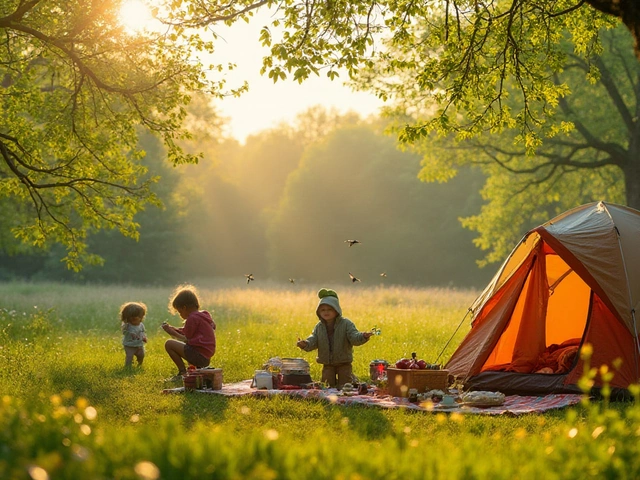
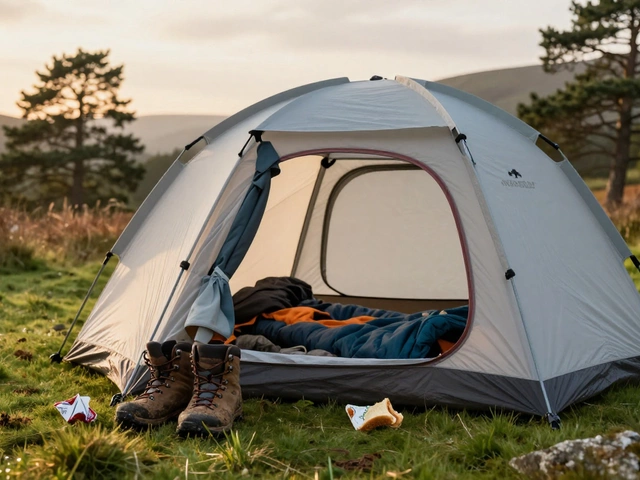
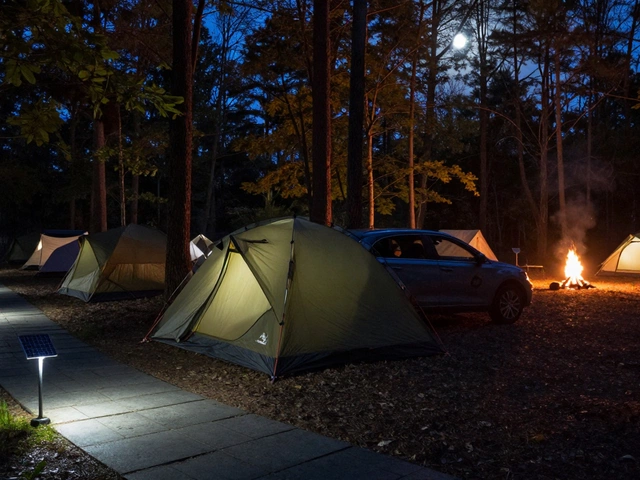
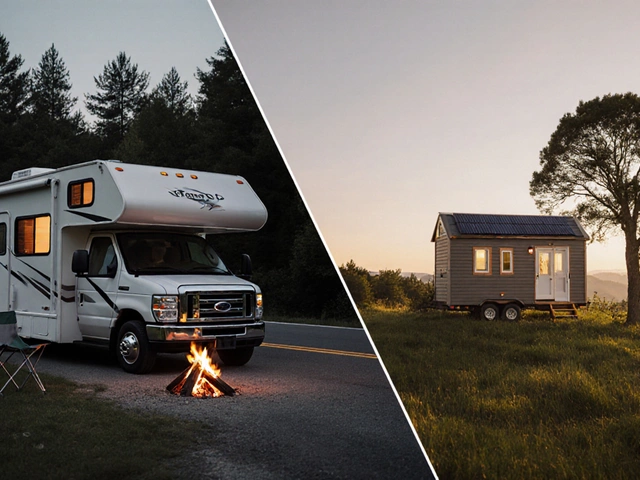
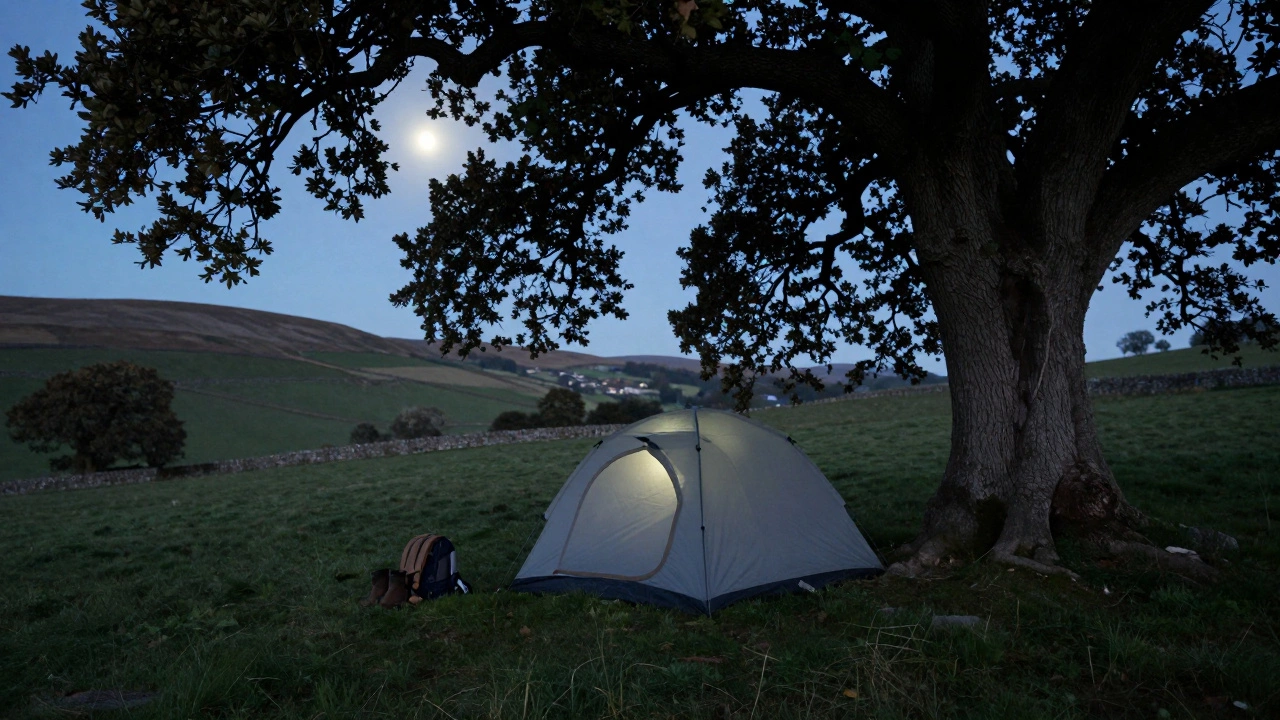
Stealth camping means setting up camp without asking, usually in places that aren’t designated campsites. Think pulling over on a quiet roadside, tucking your van behind a tree in a forest, or pitching a tent on a hillside at dusk. No fees, no signs, no facilities. You come, you sleep, you leave without a trace. It’s popular among motorhome owners, hikers, and budget travelers who want to avoid crowded sites or high prices.
But here’s the catch: in most of England and Wales, nearly all land is privately owned. That includes fields, woods, riverbanks, and even mountainsides. If you’re not on public footpaths or designated camping zones, you’re technically trespassing - even if no one sees you. And trespassing is a civil offense, not a criminal one. That means landowners can ask you to leave. They can’t arrest you, but they can call the police to report you - and police often get involved anyway.
Why Is It Treated as Illegal?
The UK doesn’t have a tradition of public land access like some Nordic countries or parts of the U.S. In England and Wales, land ownership dates back centuries. After the Norman Conquest and later enclosure acts, vast areas were privatized. By the 1800s, most open land was fenced off for farming, hunting, or estates. Today, over 90% of the countryside is privately owned.
That means even if a field looks empty, it likely belongs to someone - a farmer, a land trust, a wealthy family, or a corporation. If you camp there without permission, you’re using someone else’s property. The law doesn’t care if you’re quiet or clean. You still didn’t ask.
There’s also the fear of abuse. A few bad experiences - people leaving trash, lighting fires, or blocking access - have led to blanket restrictions. In 2018, a survey by the Ramblers Association found that 62% of landowners had seen illegal camping cause damage to crops, fences, or wildlife habitats. That’s not every camper. But it’s enough to make landowners push for enforcement.
Scotland Is the Exception - Why?
Scotland is different. The Land Reform (Scotland) Act 2003 gave the public the legal right to access most land for recreation, including camping - as long as you follow the Scottish Outdoor Access Code. That means you can camp wild, even overnight, on moorland, near lochs, or along trails. But there are rules: stay small groups, avoid enclosed fields, don’t camp near buildings, and pack out everything you bring.
The key difference? Scotland treats land access as a right. England and Wales treat it as a privilege granted by landowners. That’s why you can legally stealth camp in Glen Coe but not in the Lake District. It’s not about the landscape. It’s about the law.
What Happens If You Get Caught?
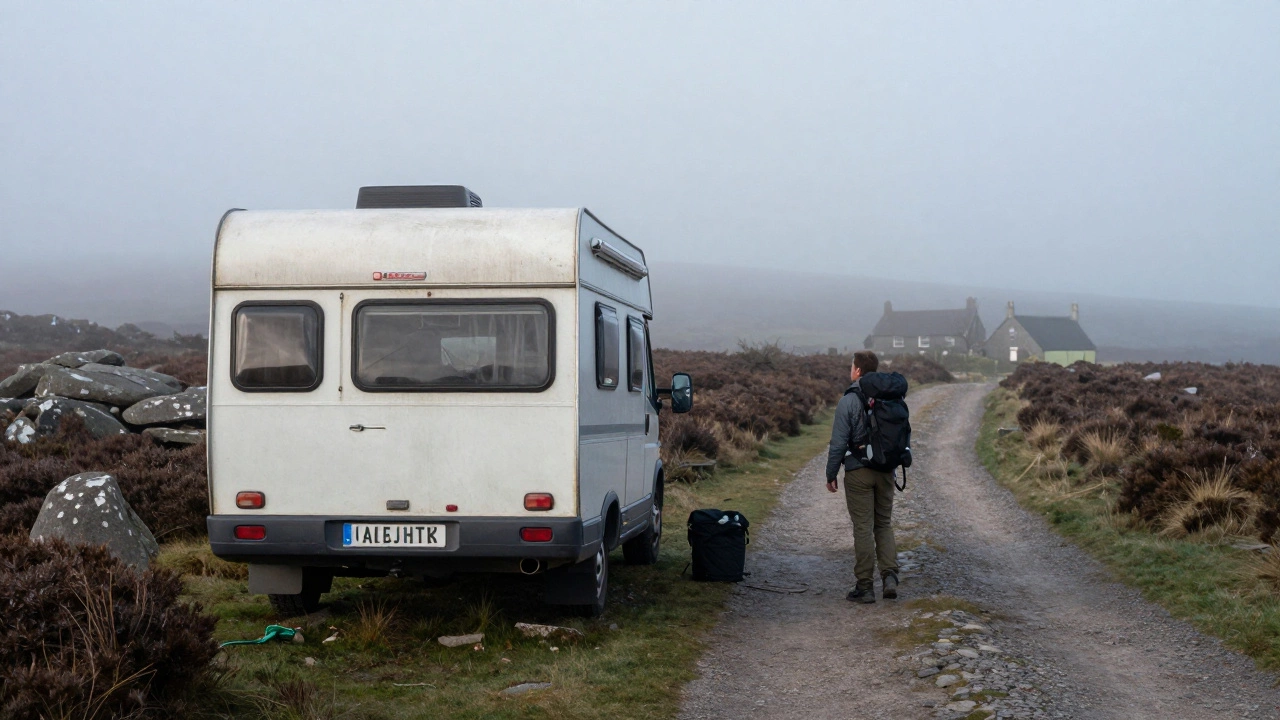
If you’re spotted, you’ll likely get a visit from a landowner, a ranger, or the police. Most of the time, you’ll just be asked to move on. But if you refuse, or if you’ve caused damage, things get serious. Police can use the Criminal Justice and Public Order Act 1994 to issue a dispersal order. This lets them tell you to leave and not return for up to 12 months. Repeat offenders can face fines of up to £2,500.
There’s no automatic arrest, but the threat is real. In 2023, over 1,200 people were issued dispersal orders in England for illegal camping - mostly around national parks and popular hiking trails. The numbers are rising as more people seek affordable travel options.
Where Can You Legally Camp Without a Site?
You’re not completely out of options. Here’s what’s allowed:
- Forestry England land: Some woodland areas allow wild camping with permission. Check their website - some require a permit, others don’t.
- Canal towpaths: You can stop overnight on many canal towpaths, especially on narrowboats. But you can’t pitch a tent on the bank.
- Public rights of way: You can walk across land, but not camp on it. Sleeping overnight is still trespassing.
- Devon and Dartmoor: Dartmoor National Park has a special exemption. Under the Dartmoor Commons Act 1985, you can camp on open moorland - as long as you’re not near buildings, don’t light fires, and leave no trace.
- Scotland: Follow the Access Code. No permits needed. Just be respectful.
Some landowners now offer “wild camping permits” for a small fee - like £5 per night. These are informal, often found on Facebook groups or local tourism sites. They’re not legal rights, but they’re a way to camp responsibly while supporting the landowner.
Why Do People Still Do It?
Because the alternatives are expensive. A standard campsite in the Lake District can cost £30-£50 a night. A motorhome pitch at a popular site? £45-£70. For someone on a tight budget - a student, a retiree, or a digital nomad - that’s a lot.
Plus, the experience is better. No electric hookups. No noisy families. Just silence, stars, and the wind. Many say it’s the only way to truly feel connected to the land.
There’s also a cultural shift. Younger generations see stealth camping as a form of protest - against over-tourism, corporate control of nature, and the commodification of outdoor spaces. They’re not trying to break the law. They’re trying to reclaim access.
Is There Hope for Change?
Yes. Pressure is building. In 2025, a petition signed by over 120,000 people called on the UK government to create a legal right to wild camping in England, similar to Scotland. The government responded by launching a pilot program in three national parks to test low-impact camping zones.
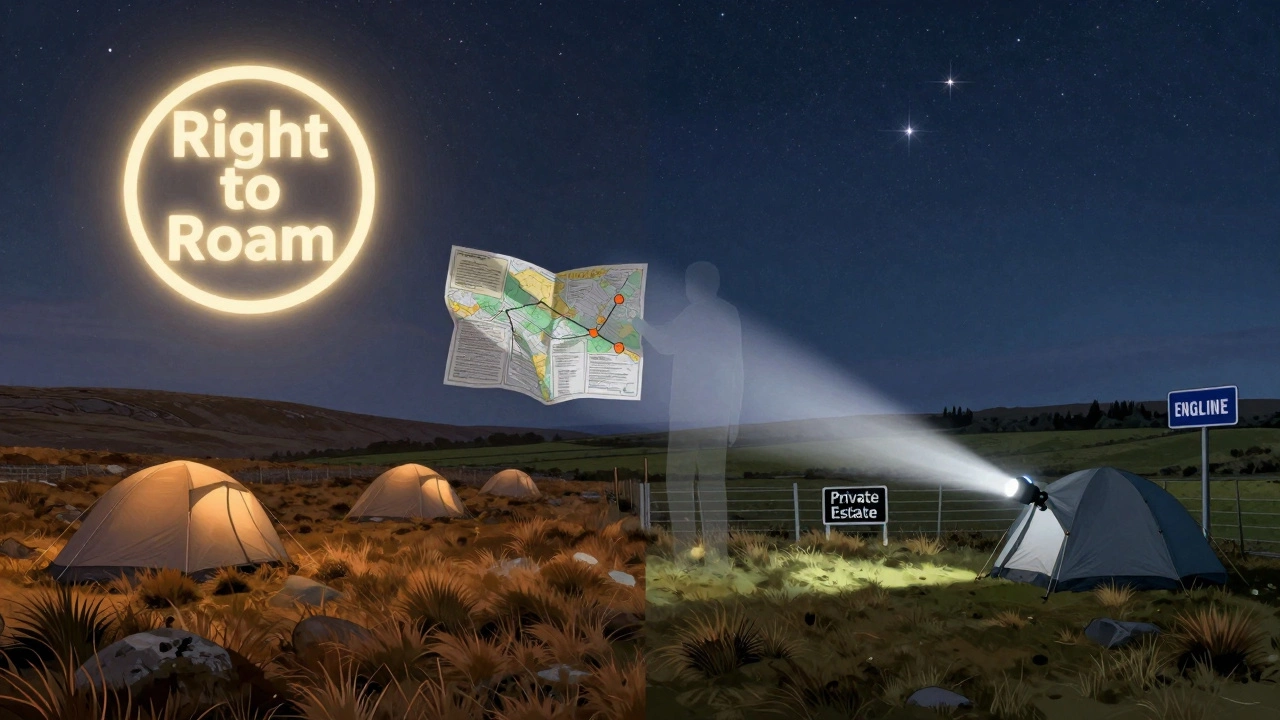
Organizations like the Campaign for the Protection of Rural England (CPRE) and the Ramblers are pushing for a “Right to Roam” expansion. Some MPs are drafting bills to allow camping on designated public land, with strict rules - no fires, no groups over four people, no stay longer than two nights.
It’s not going to happen overnight. But the conversation is shifting. More people are realizing that access to nature isn’t a luxury. It’s a basic need.
What Should You Do If You Want to Camp Wild?
Don’t guess. Do this instead:
- Check if you’re in Scotland - if yes, follow the Access Code.
- If you’re in England or Wales, look for official wild camping areas like Dartmoor or Forestry England sites.
- Never camp near homes, roads, or farmland. Use apps like Wildcamping UK or CamperMate to find legal spots.
- Always leave no trace. Take your trash, don’t dig trenches, and avoid disturbing wildlife.
- If you’re asked to leave, leave. Arguing won’t help. Respect the landowner’s rights.
- Support landowners who allow camping. Tip them. Buy local produce. Build trust.
The goal isn’t to break the law. It’s to make the law change - by showing you can be responsible.
Final Thought: It’s Not About Breaking Rules - It’s About Rewriting Them
Stealth camping isn’t illegal because it’s dangerous. It’s illegal because the system was built to protect private property, not public access. The real question isn’t whether you should be punished for sleeping under the stars. It’s whether society still believes land should be owned by a few - or shared by all.
Is stealth camping ever legal in England?
Yes, but only in very specific places. Dartmoor National Park allows wild camping under the Dartmoor Commons Act 1985. Some Forestry England woodlands also permit it with permission. Outside these areas, it’s technically trespassing. Always check local rules before setting up camp.
Can the police arrest you for stealth camping?
No, not directly. Trespassing is a civil matter, not a crime. But under the Criminal Justice and Public Order Act 1994, police can issue a dispersal order if they believe you’re causing disruption. Refusing to leave after an order can lead to fines up to £2,500. Arrests are rare but possible if you’re aggressive or repeat the offense.
Why is wild camping allowed in Scotland but not England?
Scotland passed the Land Reform (Scotland) Act 2003, which gave the public a legal right to access most land for recreation, including camping. England and Wales never adopted similar laws. Land ownership there remains mostly private, with no automatic public access rights. It’s a legal difference, not a cultural one.
What’s the difference between wild camping and stealth camping?
Wild camping is the general term for camping outside designated sites. Stealth camping is a subset - it specifically means doing so without permission and without being noticed. All stealth camping is wild camping, but not all wild camping is stealthy. In Scotland, wild camping is legal and visible. In England, stealth camping is the only option - and it’s illegal.
Can I camp on a beach in the UK?
Most beaches in England and Wales are privately owned or managed by local councils. Overnight camping is usually prohibited. Some beaches in Cornwall and Devon allow it with permission, but you must check with the local authority. In Scotland, you can camp on many beaches as long as you follow the Access Code.
Is it safe to stealth camp in the UK?
Safety depends on location and preparation. Avoid isolated areas with no cell service, and never camp near private property without checking. Use a GPS app to confirm you’re not on restricted land. Stay low-key, be quiet, and leave no trace. Most landowners won’t bother you if you’re respectful. The real risk isn’t wildlife or weather - it’s being reported and forced to leave.