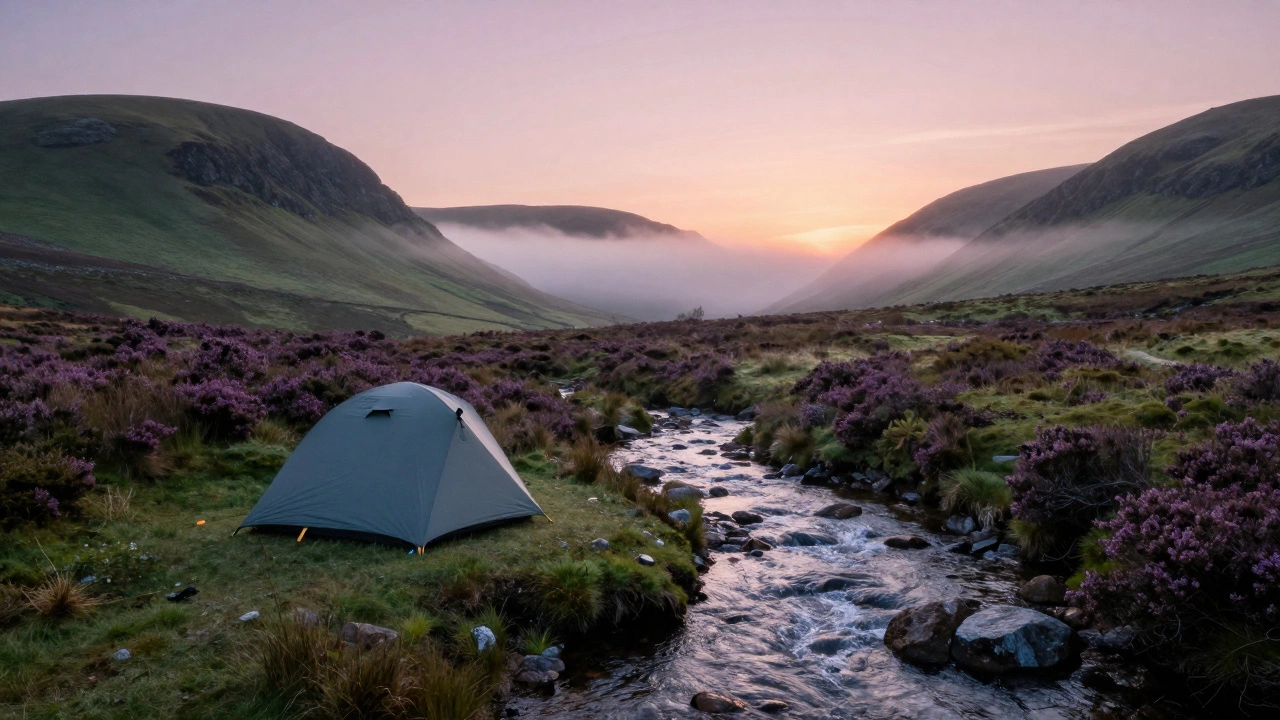
Wild Camping Legality Checker
Select your scenario below to see if your camping plan is legally permitted or carries risks.
Result
Quick Takeaways
- Wild camping is generally illegal in England without explicit landowner permission.
- Scotland has different laws (Right to Roam), but these do not apply south of the border.
- Dartmoor is the only National Park where some limited wild camping is legally permitted.
- The 'Leave No Trace' philosophy is the only way to avoid conflict and protect nature.
- Permission from the landowner is your only 100% legal safeguard.
The Legal Reality of Wild Camping
To understand why you can't just stop anywhere, we have to look at how land is owned. In England, almost every square inch of land belongs to someone-whether it's a private farmer, a trust, or the government. Wild Camping is the act of spending the night in a tent or bivvy bag in a natural environment, typically away from designated campsites. Because the law views land ownership as absolute, pitching a tent without a permit is technically trespassing. Now, trespassing in a civil sense isn't usually a criminal offense, but it gives the landowner the legal right to ask you to leave immediately.
Many people confuse the Countryside Code with the law. The Code is essentially a set of guidelines for behavior-like closing gates and not littering-but it doesn't grant you a legal right to sleep on the land. If a farmer asks you to move, you don't have a legal argument to stay. If you ignore them, you could potentially face charges for criminal damage if you start a fire or disturb livestock.
The Dartmoor Exception
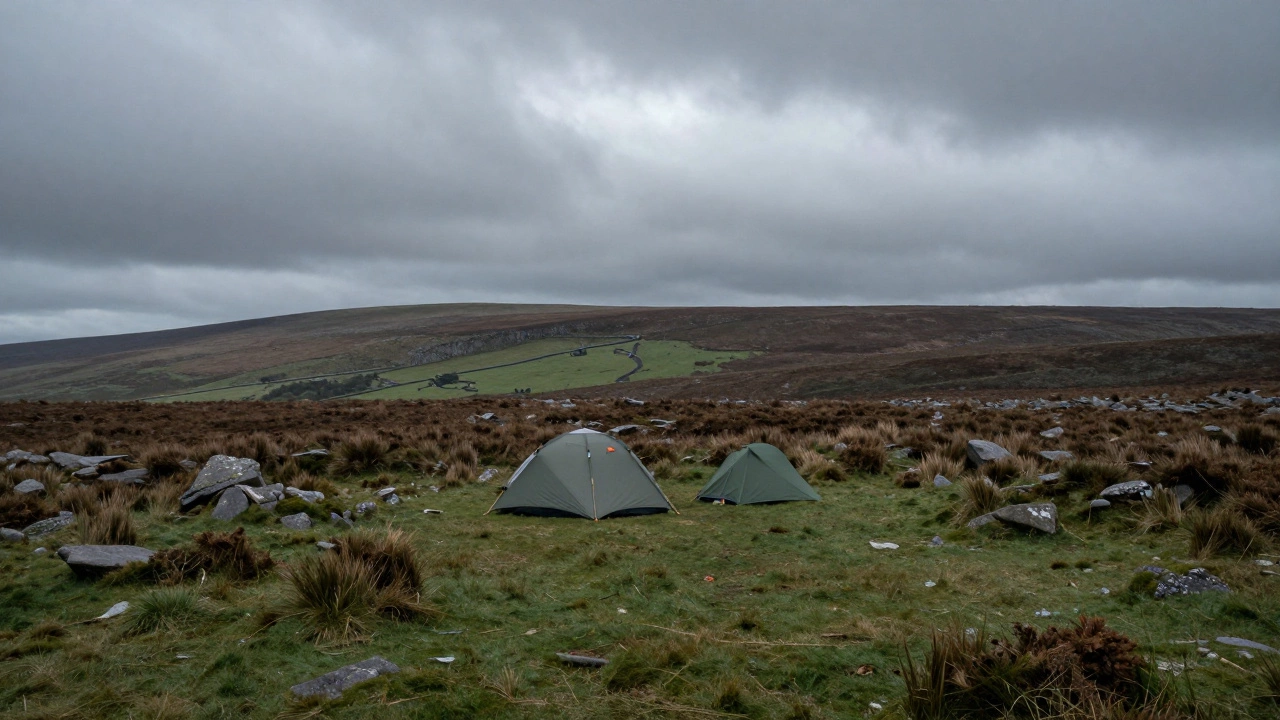
If you're itching for a legal wild experience, Dartmoor National Park is your best bet. It is the only place in England where wild camping is permitted under specific conditions. However, it's not a free-for-all. You can't just set up a massive family tent in the middle of a valley for a week.
The rules in Dartmoor generally allow for two people to camp for two nights in one place, provided the tent is small and you're far away from roads and buildings. This is a rare pocket of freedom in an otherwise restricted landscape. Even here, the authorities emphasize that the goal is to minimize the impact on the environment. If you treat the land with respect, you're unlikely to have issues, but the moment you light a bonfire, you've crossed a line.
Why Scotland is Different
You've probably heard stories of people camping wherever they want in the Highlands. This is because of the Land Reform (Scotland) Act 2003. This legislation created a legal 'right to roam,' allowing people to cross and camp on most unenclosed land, provided they do so responsibly. This creates a huge disparity. You can legally camp on a hillside in the Scottish Highlands, but if you do the same in the Lake District or the Peak District, you are technically breaking the law.
| Feature | England | Scotland |
|---|---|---|
| General Legality | Illegal without permission | Legal (Right to Roam) |
| Primary Law/Guideline | Countryside Code / Trespass Law | Land Reform Act 2003 |
| Permitted Areas | Limited (e.g., Dartmoor) | Most unenclosed land |
| Risk of Eviction | High if spotted | Low (if responsible) |
The 'Gray Area' and Stealth Camping
Despite the laws, thousands of people wild camping UK every year without ever being asked to move. This is often called 'stealth camping.' The logic is simple: if the landowner doesn't know you're there, there's no conflict. This isn't a legal justification, but a practical strategy. The goal is to be invisible.
Stealth campers follow a strict set of rules to avoid detection. They arrive late in the evening, pitch their tents in the dark, and leave before the first light of dawn. They avoid high-traffic areas and avoid camping near livestock, which is the fastest way to get a grumpy farmer knocking on your tent poles at 3 AM. While it's a thrill for some, it carries the risk of being told to pack up and go in the middle of the night.
How to Find Legal Spots and Permission
If you want to sleep soundly without worrying about the law, getting permission is the only way to go. You'd be surprised how many farmers are open to it if you approach them correctly. The key is transparency. Don't just show up; send an email or a letter first.
- Identify the land: Use a map to find the area you like and try to find the landowner's details through local directories or land registries.
- The Pitch: When asking, don't say "I want to wild camp." Instead, say you're a responsible hiker looking for a small spot to sleep for one night. Mention that you follow the Leave No Trace principles.
- Offer something: While not always necessary, offering a small fee or offering to help with a fence for an hour can open doors.
- Use Apps: There are platforms like HippaCamp or Canopy that connect campers with landowners who have explicitly opted-in to allow camping on their land for a small fee.
The Golden Rules: Leave No Trace
Whether you are legally permitted or stealth camping, your impact on the environment is what determines whether wild camping remains an option for anyone. If people leave trash behind, landowners will lock their gates and ban camping forever. The Leave No Trace philosophy is the gold standard for outdoor ethics.
- Pack it in, pack it out: This includes everything. Cigarette butts, fruit peels, and even biodegradable toilet paper should go home with you.
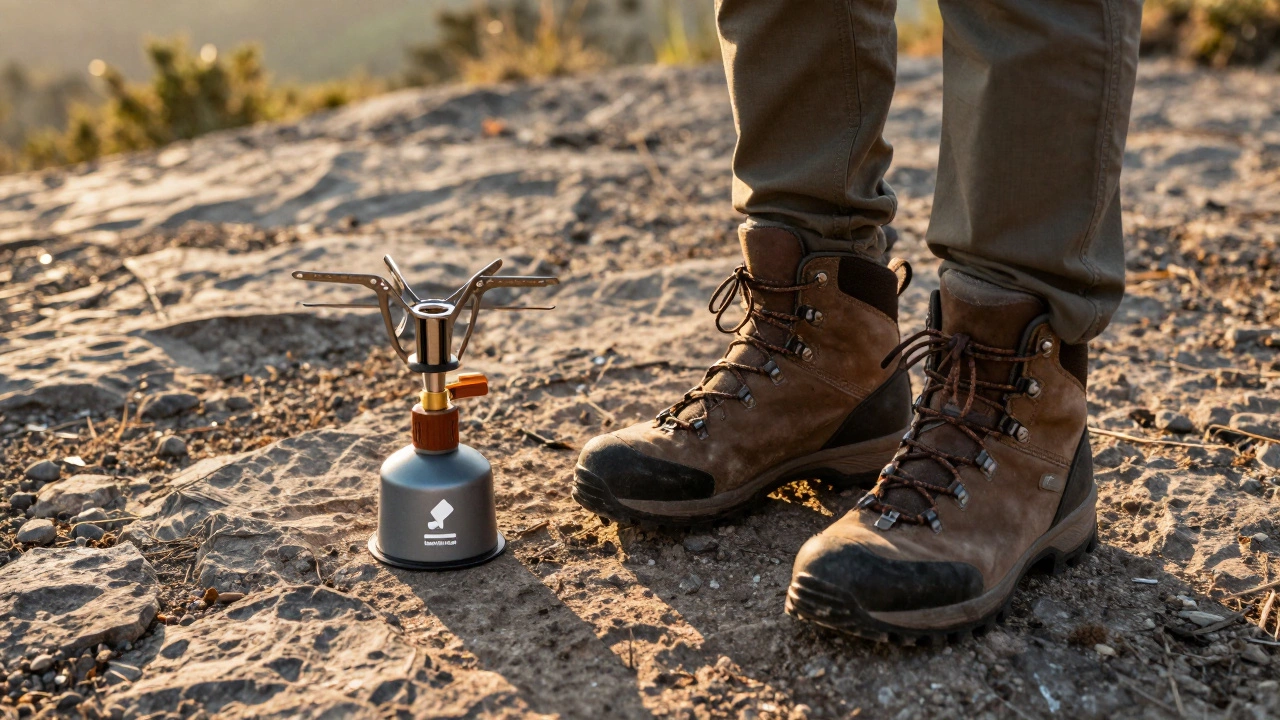
- No fires: A campfire is a beacon for landowners and a death sentence for the ground. Use a small camping stove for cooking.
- Pitch on hard ground: Avoid crushing rare wildflowers or disturbing nesting birds.
- Manage waste: If you have to go, dig a hole at least 15cm deep and at least 50 meters away from any water source.
Avoiding Common Pitfalls
Many campers make the mistake of pitching in what they think is "public land." In England, just because you can walk on a path doesn't mean you can sleep on the grass next to it. Public footpaths are easements-they allow you to pass through, not to settle in. Setting up a tent on a public right of way is an obstruction and will get you noticed very quickly.
Another mistake is ignoring the signs. If a field says "No Trespassing" or "Private Property," take it seriously. Some farmers are incredibly welcoming, but others have had terrible experiences with people leaving trash or letting dogs harass sheep. Respecting the signage is the first step in being a responsible outdoor enthusiast.
Can I camp in a National Park in England?
Generally, no. Most National Parks, such as the Peak District or the Lake District, do not allow wild camping. You must use designated campsites. The only exception is Dartmoor, where limited wild camping is permitted under strict guidelines.
What happens if I am caught wild camping illegally?
In most cases, the landowner will simply ask you to leave. Since trespassing is a civil matter in England, you aren't usually arrested for it. However, if you cause damage to the land, start a fire, or refuse to leave, you could face criminal charges for criminal damage or aggravated trespass.
Is wild camping allowed in forests?
Most forests in England are managed by Forestry England or the Forestry Commission. They typically prohibit wild camping to protect the ecosystem and prevent fires. You should stick to their official campsites or designated areas.
Can I camp in my car or van anywhere?
Sleeping in your vehicle is slightly different from pitching a tent, but it's still subject to land ownership laws. Parking on private land without permission is still trespassing. Additionally, many councils have bylaws against overnight stays in lay-bys or car parks.
How do I find a landowner to ask for permission?
You can use tools like the HM Land Registry to find who owns a specific piece of land. Alternatively, look for farm signs with contact details or use apps specifically designed to connect campers with landowners.
Next Steps for Your Trip
If you're planning a trip, start by mapping out your route and identifying the 'low-risk' zones. If you're a beginner, consider mixing wild nights with a few stays at official campsites. This gives you a safe base to recharge your gear and ensures you're not spending your entire holiday in a state of anxiety about being spotted.
For those who want the full experience, head to Scotland. The laws there are a breath of fresh air and allow you to truly immerse yourself in nature without the constant legal hovering. Just remember that even in Scotland, the 'Right to Roam' depends entirely on you acting responsibly.