California Beach Camping Planner 2026
Find the best legal camping spots, booking strategies, and essential gear tips for your California coast adventure.
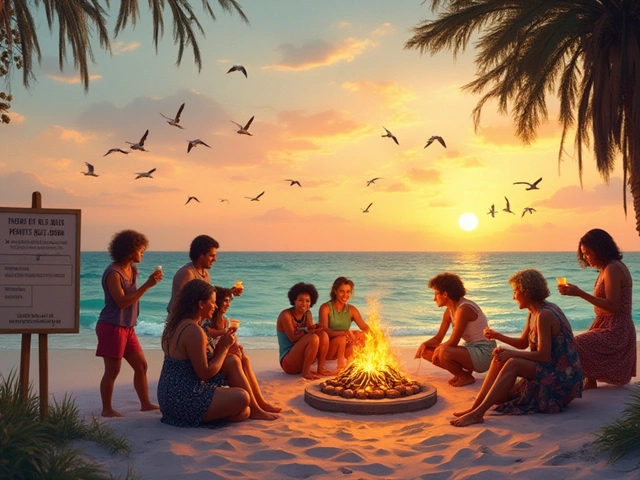
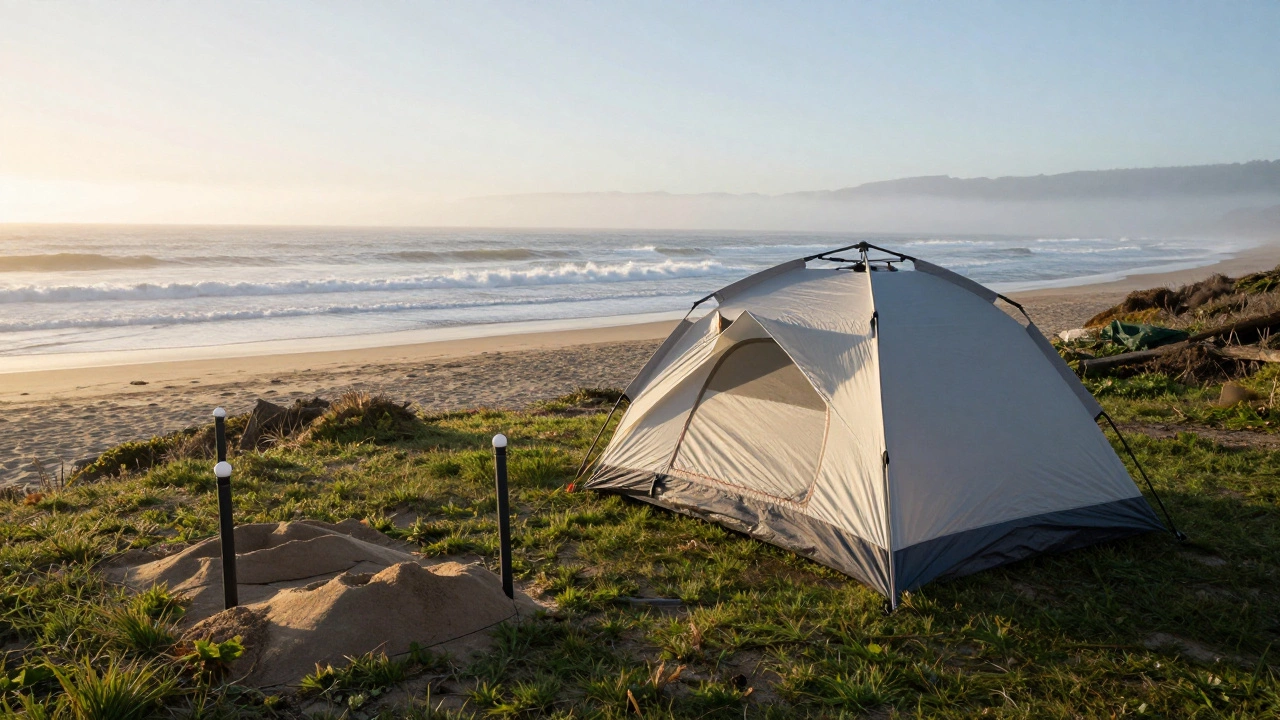
Imagine waking up to the sound of waves crashing just twenty feet from your tent. The smell of salt air replaces the usual pine scent of inland camping. For many outdoor enthusiasts, this is the ultimate dream. But if you’ve tried booking a spot on the California coast recently, you know it’s not as simple as pulling over and pitching a tarp. California has some of the most beautiful coastline in the world, but it also has strict regulations to protect that beauty.
Finding a legal place to sleep by the ocean requires knowing the difference between a developed state park, a federal recreation area, and those rare pockets of land where wild camping might still be tolerated. With rising temperatures and increased tourism, spots fill up months in advance. If you are planning a trip for summer 2026, you need a strategy. This guide breaks down exactly where you can camp, how to get permits, and what to watch out for so you don’t end up with a fine instead of a sunset view.
The Big Picture: Who Controls the Sand?
Before you look at specific maps, you need to understand who owns the ground beneath your feet. In California, beach access and camping rights are split among three main entities: the State Parks system, the National Park Service (NPS), and local county governments. Each has different rules, fees, and availability.
California State Parks manage the majority of developed coastal campsites. These are the places with picnic tables, fire rings, and sometimes restrooms. They operate on a first-come, first-served basis or through an online reservation system called ReserveCalifornia. Most state parks prohibit camping directly on the sand; you usually camp on grassy areas adjacent to the beach.
National Parks, such as Joshua Tree (inland) or Channel Islands, have their own stringent rules. The Channel Islands, for example, require ferry reservations and have limited backcountry permits due to fragile ecosystems.
Then there are the County Parks and public lands managed by cities like San Diego or Los Angeles. These often have stricter "no overnight parking" laws unless you are in a designated RV park or campground. Understanding this hierarchy saves you from driving hours only to find a sign saying "No Camping Allowed."
Top Developed Campgrounds with Ocean Access
If you want amenities like flush toilets, drinking water, and shower facilities, you’ll need to book into established campgrounds. Here are some of the most reliable options along the coast, ranging from the north to the south.
| Campground Name | Location | Key Features | Booking Difficulty |
|---|---|---|---|
| Pfeiffer Beach | Big Sur | Purple sand, iconic rock arch | Very High (ReserveCA) |
| Moss Landing | Monterey Bay | Flat terrain, near aquarium | High |
| Point Dume | Malibu | Closest to LA, cliffside views | Medium-High |
| San Onofre | San Clemente | Bohemian vibe, long history | High (Lottery system) |
| Crystal Cove | Newport Beach | Hiking trails, historic cottages | Very High |
Pfeiffer Beach in Big Sur is arguably the most famous beach camping spot in California. The purple-tinged sand and the Keyhole Arch make it a photographer’s paradise. However, the campsites are small, nestled among cypress trees, and book up instantly when reservations open. You cannot drive right up to the sand here; you hike down a short path.
In Southern California, San Onofre State Beach offers a unique experience. It was once a nuclear power plant site, giving it a rugged, industrial-meets-nature feel. Camping here is done via a lottery system because demand far exceeds supply. If you win the lottery, you get access to primitive sites right next to the surf break. It’s popular with surfers and artists, creating a distinct community atmosphere.
Wild Camping and Dispersed Sites
Not everyone wants to pay $40 a night for a toilet block. Many campers prefer the freedom of wild camping-setting up in undeveloped areas. In California, this is legally possible in certain places, primarily within Bureau of Land Management (BLM) lands and some national forests that touch the coast.
One of the best-known spots for dispersed camping is near Cajon Pass, though this is more desert than beach. For true coastal wild camping, look toward the northern border near Oregon. Areas around Athol Shores in Humboldt County offer free camping on the bluffs overlooking the Pacific. You’re not on the sand, but you’re close enough to hear the roar.
Another option is El Capitan State Beach. While the main campground is developed, there are areas nearby where overnight parking is tolerated under specific conditions, provided you stay less than 14 days and follow Leave No Trace principles. Always check current signs, as local ordinances change frequently.
Important note: Wild camping is generally prohibited on city-owned beaches in major metropolitan areas like San Francisco, Santa Monica, and Venice. Enforcement is strict, and fines can reach hundreds of dollars. Do not assume that because no one is around, it’s legal.
How to Get Permits in 2026
The landscape of permit booking has shifted dramatically. Gone are the days when you could show up at 7 AM and grab a spot. For most state parks, you must use ReserveCalifornia.com. Reservations typically open four months in advance at 8:00 AM Pacific Time. For high-demand spots like Pfeiffer Beach or Crystal Cove, you need to be logged in and ready to click the moment the window opens.
For San Onofre, you enter a monthly lottery. Applications usually open on the 15th of the month preceding your desired stay. If selected, you pay a fee and secure your dates. This system helps distribute demand but means you can’t plan last-minute trips.
National parks like Channel Islands National Park use the Recreation.gov platform. Backcountry permits here are limited to protect sea lion colonies and ancient caves. You should apply well in advance, especially if you plan to visit during the spring or fall migration seasons.
Essential Gear and Safety Tips
Camping by the ocean introduces unique challenges that inland campers rarely face. The primary enemy is moisture. Salt spray accelerates rust on zippers and corrosion on metal gear. Bring a waterproof cover for your tent and consider using a silicone-based lubricant on moving parts after your trip.
- Wind Protection: Coastal winds can tear down tents in minutes. Use heavy-duty stakes designed for sand (longer, wider surface area) and dig deeper anchor holes if allowed.
- Raccoons and Gulls: Wildlife on the coast is used to humans. Store all food in hard-sided containers or hang it from trees if available. Never leave food in your car overnight.
- Tides: Check tide charts before setting up. What looks like dry sand at low tide can be submerged at high tide. Some beaches, like those in Mendocino, have narrow strips where camping becomes dangerous during king tides.
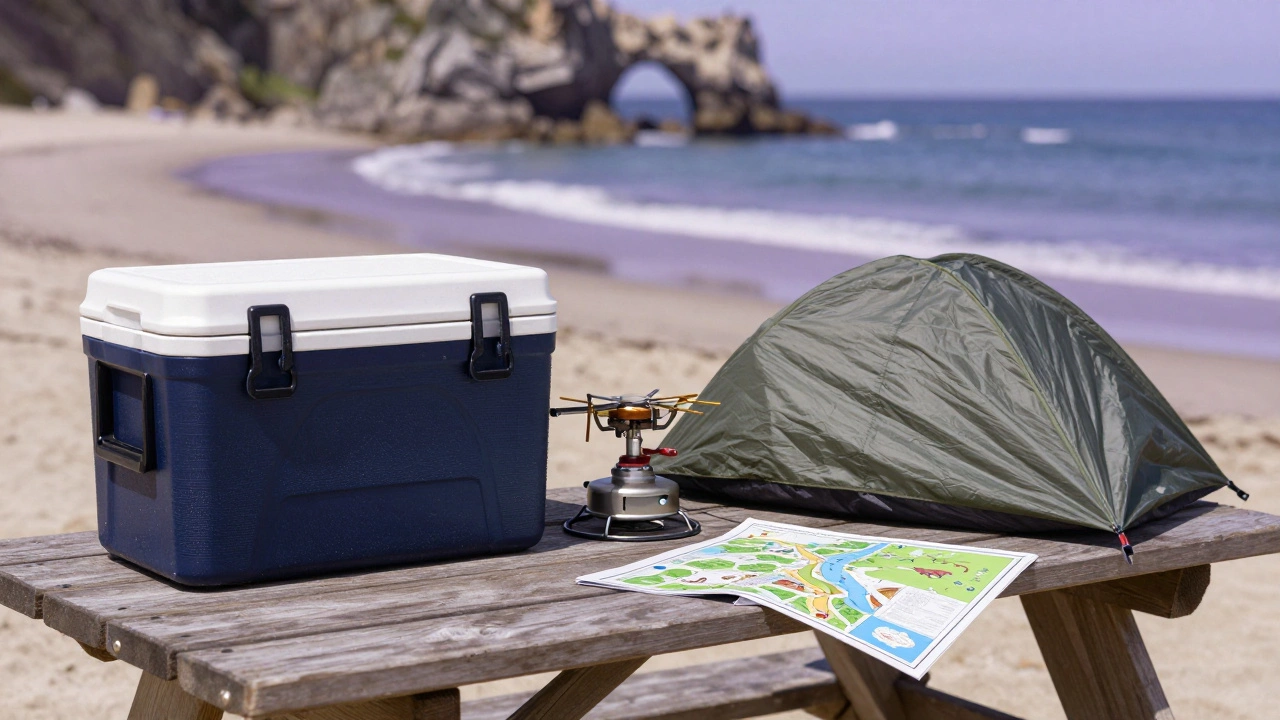
- Fire Restrictions: Fire danger varies by season. In summer, wood fires are often banned even in established fire rings. Bring a propane stove for cooking and a lantern for light.
Leave No Trace: Protecting the Coast
California’s beaches are fragile ecosystems. Sea birds nest in the dunes, and marine life depends on clean water. When you camp, you are a guest in their home. Follow these core principles:
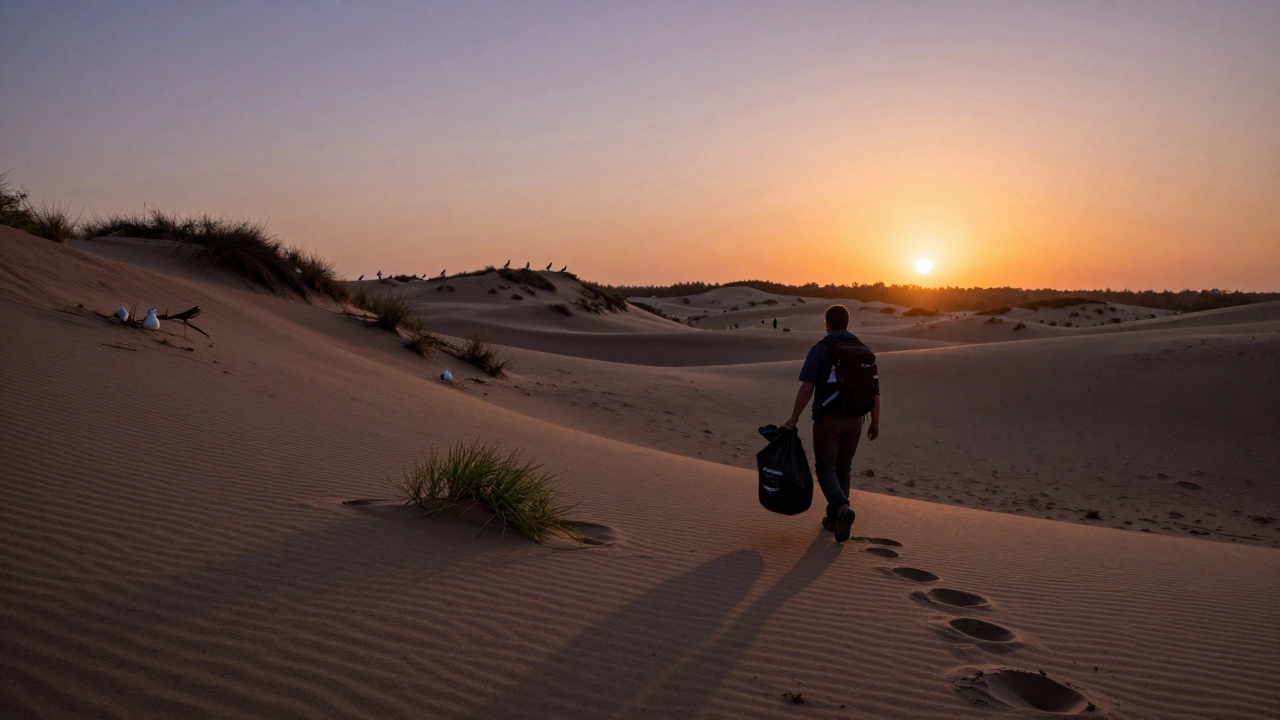
- Stay on Designated Ground: Do not trample dune vegetation. These plants hold the sand together and prevent erosion. Walking on them destroys years of growth.
- Pack Out Everything: This includes cigarette butts, which are toxic to marine life. Even biodegradable items like banana peels take months to decompose in cool coastal climates.
- Respect Wildlife: Keep dogs leashed. Unleashed dogs can chase seals, disturb nesting birds, and alter the behavior of native species.
- No Glass: Many beaches ban glass containers to prevent injuries from broken shards left behind. Stick to plastic or aluminum.
By following these guidelines, you help ensure that future generations can enjoy the same pristine shores. Rangers actively patrol popular areas, and violations can result in significant penalties.
Alternative Options: RVs and Glamping
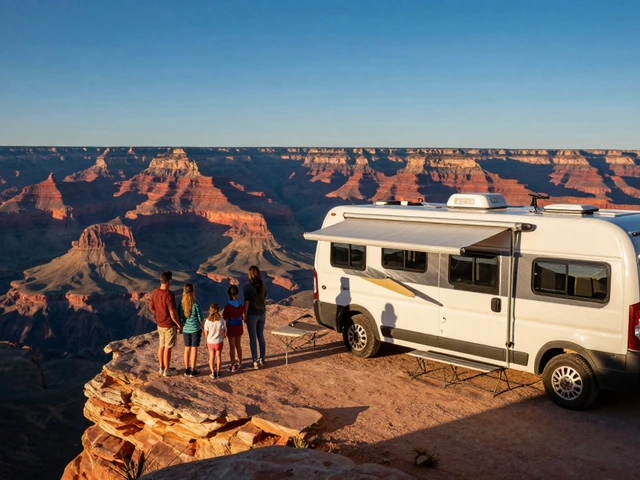
If traditional tent camping feels too rough, consider renting an RV or trying glamping. Several companies offer RV rentals with full hookups available at coastal parks. This eliminates the need to carry heavy gear and provides shelter from sudden rainstorms.
Glamping sites like Big Sur Lodge or Hearthstone Cottages offer luxury cabins steps from the beach. While more expensive, they provide comfort without sacrificing the ocean view. For families with young children or older travelers, this can be a safer and more relaxing option.
Can I camp on any beach in California?
No. Most city beaches prohibit overnight camping. You must use designated state parks, national park campgrounds, or specific BLM lands. Always check local ordinances before arriving.
How far in advance should I book a California beach campsite?
For peak season (June-September), book exactly four months in advance when reservations open. For shoulder seasons, try booking 2-3 months ahead. Popular spots like Pfeiffer Beach sell out within minutes.
Is wild camping legal on California beaches?
Only in specific areas, primarily on BLM land or certain national forest zones. It is generally illegal on city and county beaches. Look for signs permitting "dispersed camping" and always confirm with local ranger stations.
What is the best time of year for beach camping in California?
Spring (April-May) and Fall (September-October) offer mild temperatures and fewer crowds. Summer can be foggy and cold, especially in Northern California, while winter brings heavy rain and storm surges.
Do I need a bear canister for coastal camping?
Bear canisters are not required on most coastal beaches, but raccoons and gulls are persistent thieves. Use hard-sided coolers or lockable storage boxes to protect food. Some national parks may have specific requirements, so check local rules.