California Camping Legal Checker
Answer a few questions about your planned campsite to check if it's legal and what rules you must follow.
Critical Requirements:
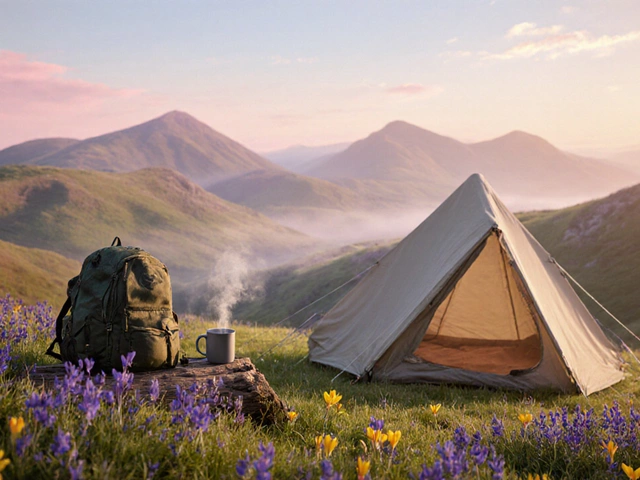
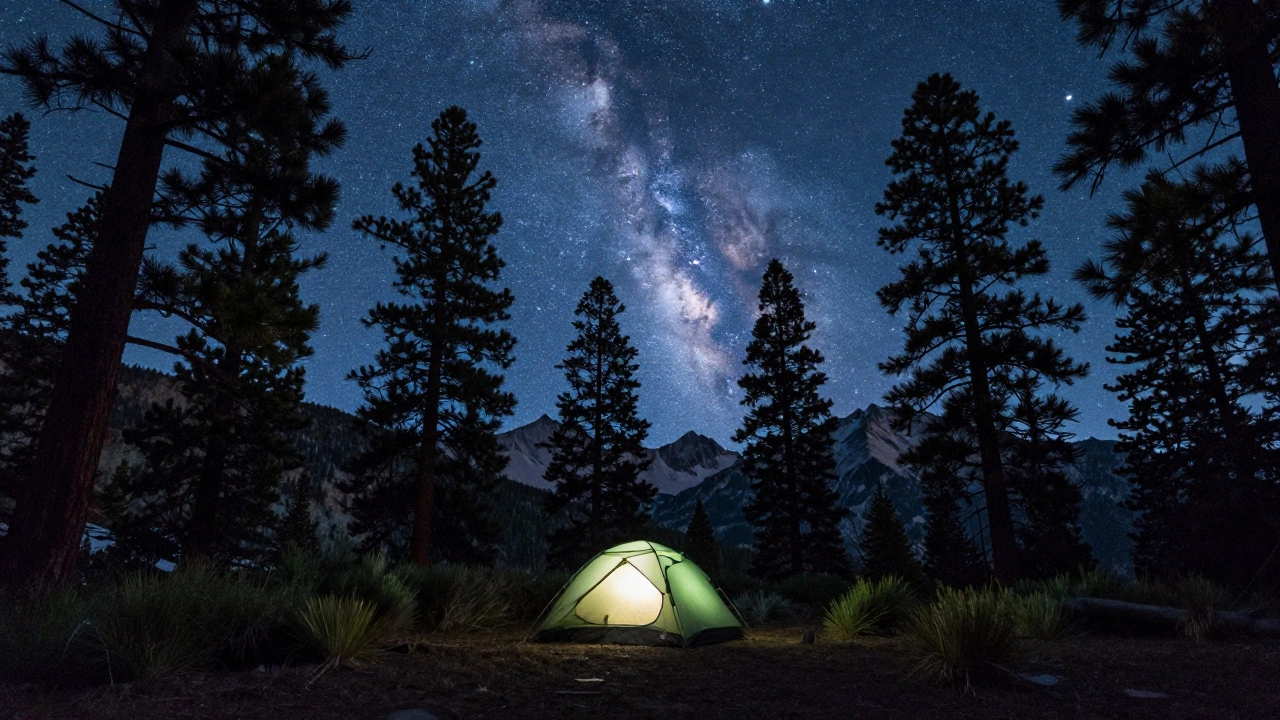
To get started, you need to know that dispersed camping California is the act of camping outside of a designated campground, often in remote areas of public land. It isn't a blanket "yes" or "no." If you are on private land without permission, you're trespassing. If you're in a state park without a permit, you're breaking the law. But if you're on specific federal lands, it's perfectly legal-provided you follow a strict set of rules.
Quick Guide: Where You Can and Cannot Camp
- National Forests: Generally allowed in most areas, though some zones are restricted.
- BLM Land: Usually allowed, making it the gold mine for wild campers.
- State Parks: Almost always illegal unless you are in a designated site.
- Private Property: Illegal without the owner's explicit consent.
- National Parks: Strictly regulated; you usually can't leave the developed campgrounds.
The Magic of BLM Land
If you want to get away from the crowds, you need to look for land managed by the Bureau of Land Management (often called BLM). This is federal land that isn't part of a National Park or Forest. For most campers, this is the safest bet for legal wild camping. On BLM land, you can typically camp for free for up to 14 days in one area.
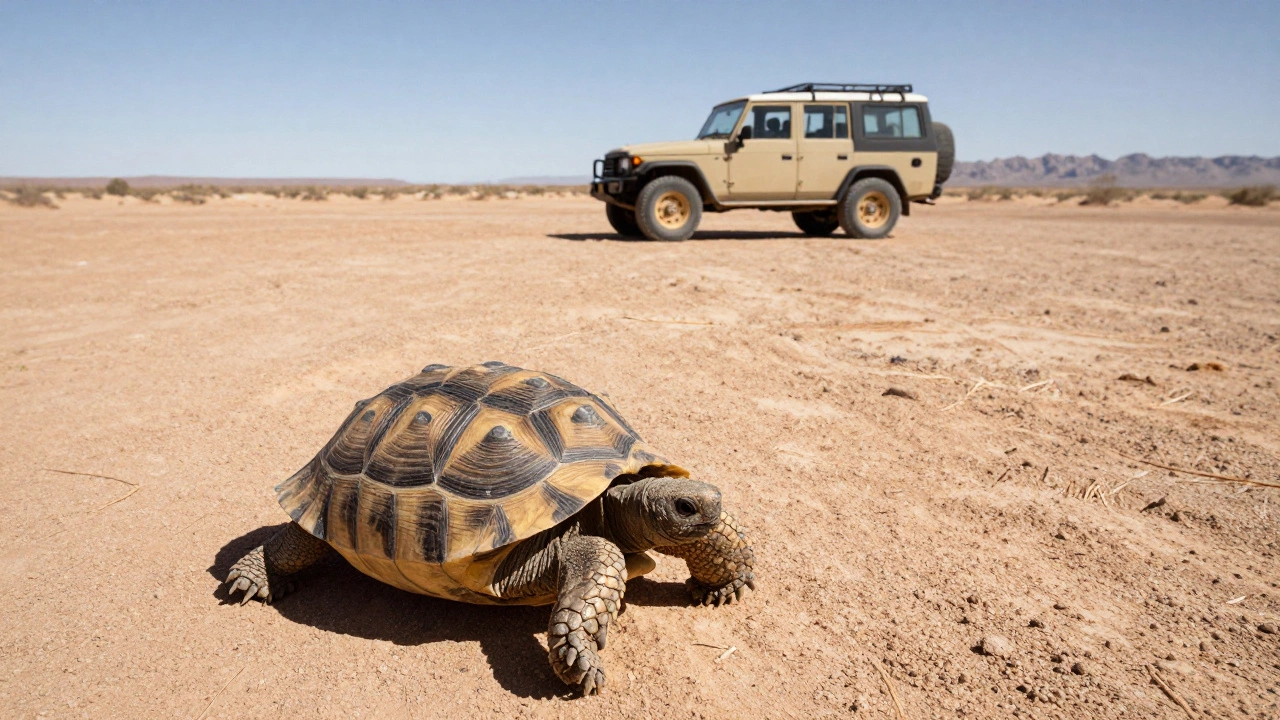
However, it isn't a free-for-all. You can't just park your rig next to a river and stay forever. You need to check the local field office rules. For example, in high-desert areas like the Mojave, some sections are closed to protect the Desert Tortoise, a protected species. If you camp in a restricted zone, you're looking at fines that can start at $100 and climb quickly depending on the damage caused to the habitat.
National Forests: The Green Sanctuary
The US Forest Service manages millions of acres of woods in California. In many National Forests, such as the Plumas or Sequoia, dispersed camping is permitted. This means you can venture off the beaten path and set up camp. But there is a catch: you must usually be at least 100 to 200 feet away from any trail, stream, or other campsite.
One major pitfall is the "seasonal closure." During the peak of summer, many forest areas are closed to camping to prevent wildfires. If you see a sign that says "No Camping" or "Area Closed," don't assume it's a suggestion. With California's dry climate, these rules are about survival, not just bureaucracy. Using a campfire during a Red Flag Warning can result in immediate eviction and potential criminal charges if a fire starts.
| Land Type | Permit Required? | Cost | Common Restrictions |
|---|---|---|---|
| BLM Land | Usually No | Free | 14-day limit, habitat protection |
| National Forest | Rarely (for dispersed) | Free | Distance from water/trails, fire bans |
| State Parks | Yes | Paid | Must use designated pads |
| National Parks | Yes | Paid | Strict zoning, backcountry permits |
The Golden Rule: Leave No Trace
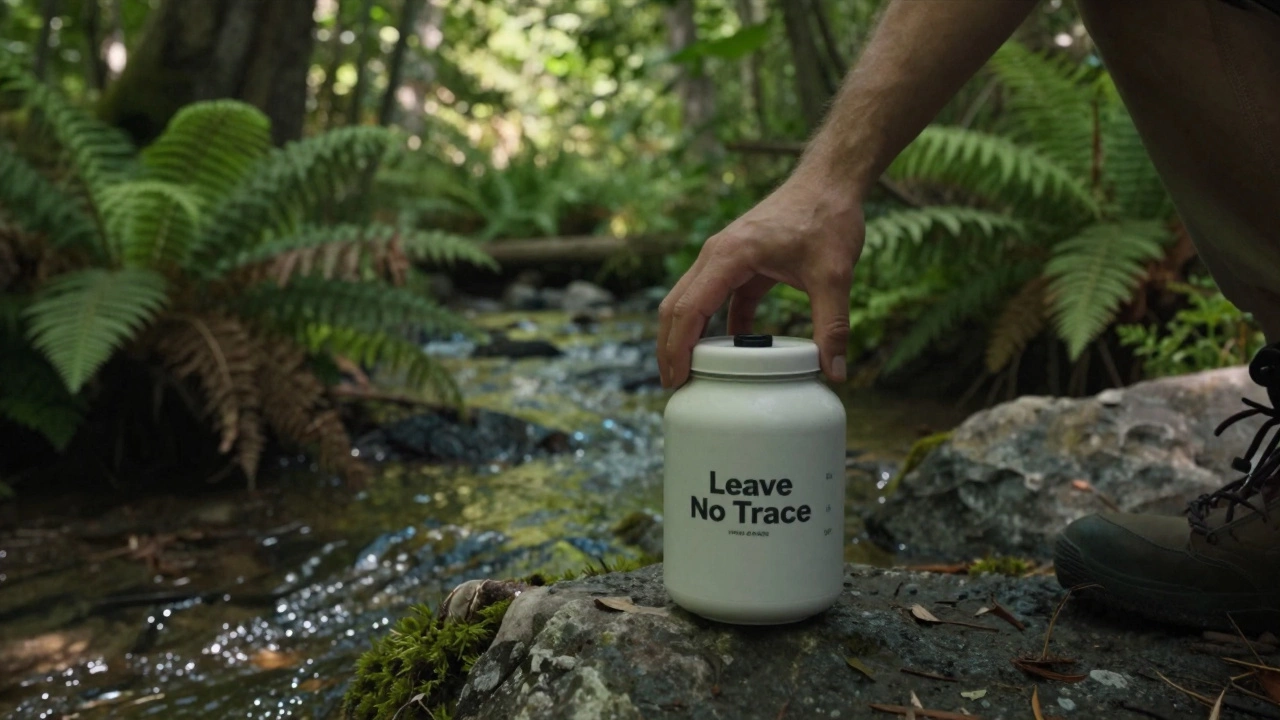
Regardless of whether your camp is legal or not, the way you treat the land determines if these areas stay open. The Leave No Trace philosophy isn't just a suggestion; it's the standard for all public land use. This means packing out every single piece of trash-including orange peels and coffee grounds, which don't decompose quickly in high altitudes.
Waste management is the biggest hurdle for forest campers. In the woods, you can't just dig a hole anywhere. You should be at least 200 feet away from water sources. In some sensitive areas, like the high Sierras, you are actually required to pack out your own human waste using "WAG bags." Failing to do this doesn't just hurt the environment; it can lead to citations from rangers who monitor these sensitive watersheds.
Fire Safety and the Legal Danger Zone
In California, fire is the most dangerous part of camping. The state uses a tiered system of fire restrictions. You might be in a zone where campfires are allowed in established rings, but absolutely forbidden in a dispersed site. Using a portable propane stove is often allowed when wood fires are banned, but you must check the current CAL FIRE alerts for the specific county you are in.
If you do have a legal fire, it must be completely extinguished. We're talking "cool to the touch." A common mistake is pouring water on a fire and leaving while it's still steaming. If a breeze kicks up a stray ember and starts a brush fire, you are legally liable for the damages. In extreme cases, the government can sue individuals for the cost of the firefighting efforts, which can reach millions of dollars.
How to Find a Legal Spot
You can't just wander into the woods and hope for the best. Use tools like Gaia GPS or OnX Off-Road to see land ownership boundaries. These apps show you exactly where BLM land ends and private property begins. If the map shows a white or light-yellow area, it's often public; if it's labeled as a private parcel, keep driving.
Another pro tip is to visit the local Ranger Station. Rangers are generally helpful and can point you toward "hidden" dispersed areas that aren't overcrowded. They can also give you the latest word on road closures or wildlife activity, like bear sightings. Speaking of bears, if you're in the woods, a bear-resistant food canister is practically mandatory. Leaving food in your car or a cheap cooler is an invitation for a Black Bear to tear your vehicle apart, which can lead to a fine for improper food storage in certain wilderness areas.
Can I camp in a California State Park without a reservation?
Generally, no. State Parks have very strict rules against "wild camping." You must stay in a designated campsite. Some parks offer "first-come, first-served" spots, but pitching a tent in the woods outside these areas is illegal and will likely result in a fine.
What is the 14-day rule on BLM land?
The 14-day rule means you can camp in one spot for a maximum of 14 days. After that, you must move your camp at least 25 miles away to avoid damaging the land or monopolizing the area. This prevents people from creating permanent residences on public land.
Do I need a permit for dispersed camping in National Forests?
For basic dispersed camping, you usually don't need a permit. However, if you are entering a designated "Wilderness Area" and planning to spend the night, a backcountry permit is often required to limit the number of people in the area for conservation purposes.
Is it legal to camp in the woods on private land if I don't know the owner?
No. This is trespassing. Even if there are no signs, California law protects private property. You must obtain explicit permission from the landowner before setting up camp.
What happens if I am caught camping illegally?
Depending on the location, you could receive a verbal warning, a written citation (fine), or be ordered to leave the area immediately. In sensitive habitats or high-fire-risk zones, the penalties are much harsher and can involve court appearances.
Next Steps for Your Trip
If you're planning a trip, start by downloading an offline map of the area. Cell service disappears the moment you hit the tree line, and you don't want to be guessing where the property line is. Next, check the latest fire restrictions on the CAL FIRE website. Finally, invest in a high-quality bear canister if you're heading to the mountains; it's the difference between a peaceful night and a ruined car.