Forest Living Cost & Feasibility Estimator
Select your preferred lifestyle option below to view detailed cost breakdowns. Adjust the sliders to match your specific situation.
Buying Land
Highest security, highest upfront cost.
Long-Term Camping
Lowest barrier to entry, flexible.
Off-Grid Homestead
High autonomy, high maintenance effort.
| Expense Category | Amount | Notes |
|---|---|---|
| Total Projected Cost (with 20% Buffer) | $0 | Over 10 years |
Feasibility Check
Imagine waking up to birdsong instead of traffic, with no commute and a roof made of stars. It’s a dream that pulls at our heartstrings, but can you actually just pack a bag and move into the woods? The short answer is: it depends entirely on where you are and what "living" means to you.
If you’re thinking of setting up a permanent home in the middle of nowhere without permission, you’re likely walking into legal trouble. But if you’re looking for a way to reduce your carbon footprint, lower living costs, or simply reconnect with nature, there are viable paths. This guide breaks down the reality of living in the forest, from the strict laws in Australia to the practical steps for building an off-grid life that won’t end in eviction.
The Legal Reality: Why You Can't Just Pick a Spot
In most developed countries, including Australia, the concept of "owning" land is tied to government records. If you don’t have a title deed, you don’t own the ground beneath your feet. This creates a major hurdle for those wanting to build a cabin or set up a long-term campsite.
Wild Camping is the practice of sleeping outdoors without a designated pitch or permission from the landowner. While this is often tolerated in parts of Scandinavia under the "Right to Roam," it is much stricter elsewhere. In New South Wales, for example, you generally need permission from the local council or National Parks service to stay overnight in most areas. Staying for more than a few nights increases the risk of being asked to leave or fined.
Building a structure makes things even trickier. A simple tent is temporary; a wooden cabin is a building. Buildings require permits, compliance with local zoning laws, and proof of ownership. If you build a house on public land without a permit, you aren’t just breaking a rule-you’re potentially committing trespassing. So, before you buy lumber, check the land status.
Option 1: Buying Land (The Safe Route)
The most secure way to live in the forest is to buy the land first. This gives you legal rights to build, plant trees, and stay as long as you want. However, "forest land" isn’t cheap, and not all of it is suitable for building.
- Rural Zoning: Look for land zoned for rural residential use. These blocks usually allow for a main dwelling and outbuildings, provided they meet setback requirements (distance from the road or fence).
- Access Rights: Does the land have legal access to a public road? Many remote forest blocks are only accessible by 4WD tracks that might be private. Without guaranteed access, you could be stranded during winter rains.
- Water and Power: Is there a borehole available? Can you run solar panels? If you’re going off-grid, these factors determine your daily comfort.
In Australia, prices for rural land vary wildly. In regions like the Blue Mountains near Sydney, a small block with tree cover can cost hundreds of thousands of dollars. Further inland, you might find larger tracts for less, but you’ll be trading proximity to cities for isolation.
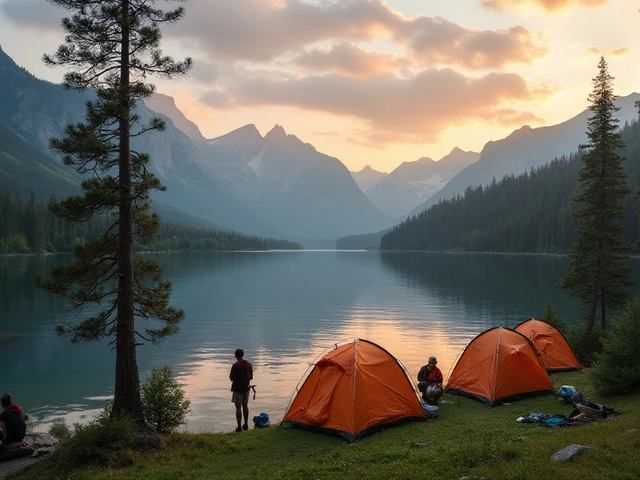
Option 2: Long-Term Camping and Caravanning
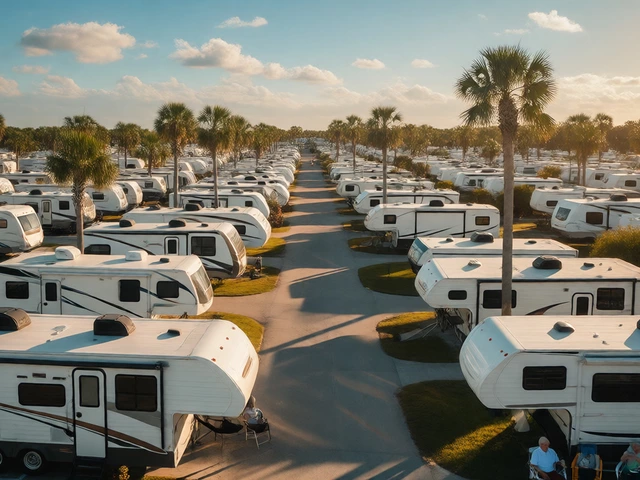
Not everyone wants to own land. Some prefer the flexibility of moving around. This is where Caravan Parks come in. Many parks offer "permanent pitches" or long-term stays. You pay a weekly or monthly fee, and in return, you get a spot, electricity hookups, and water access.
This option is popular among retirees and digital nomads. You keep your vehicle mobile, so if the area becomes too crowded or expensive, you can drive away. The downside? You’re still renting. Your investment goes into the park owner’s pocket, not into equity. Plus, community rules can be strict-no pets, quiet hours, and limited space for gardens.
Option 3: Off-Grid Homesteading
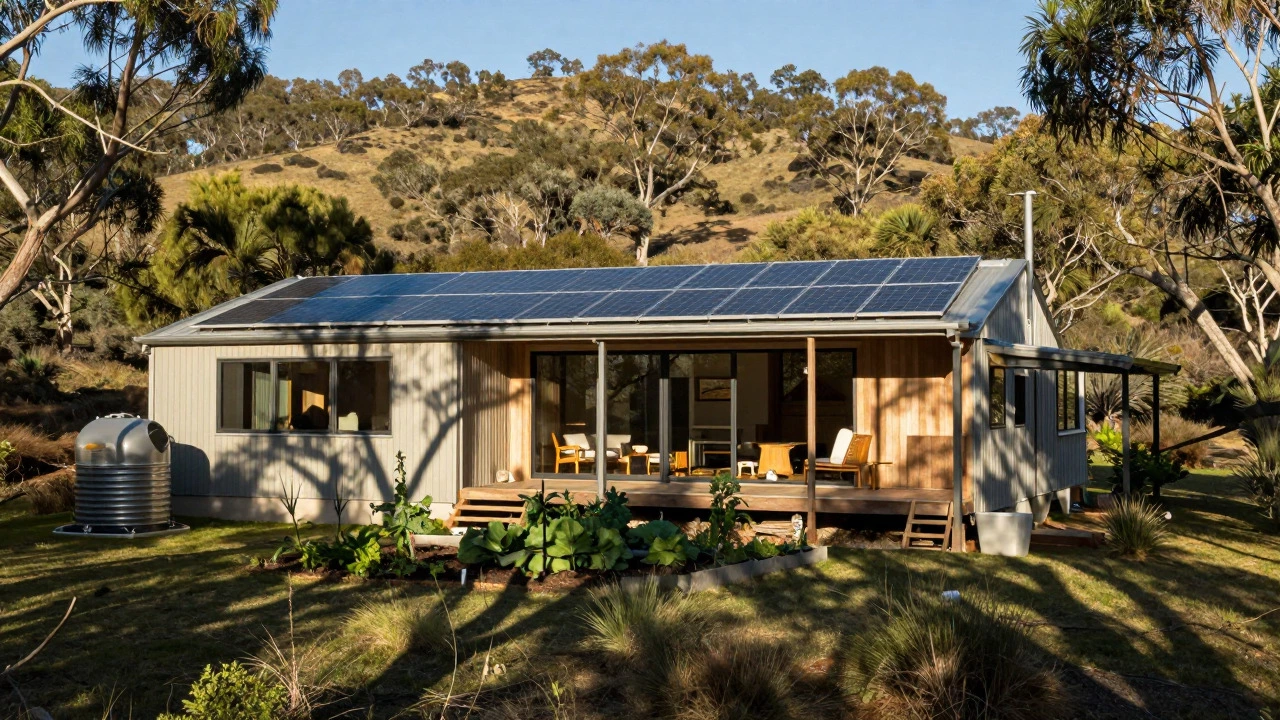
For the truly adventurous, homesteading offers a middle ground. You buy a small plot, perhaps with an existing dilapidated shed or house, and renovate it yourself. This allows you to live off the land using sustainable practices.
Key components of a successful homestead include:
- Solar Energy Systems: To power lights, fridges, and devices without relying on the grid.
- Rainwater Harvesting: Collecting rain from roofs into tanks for drinking and washing.
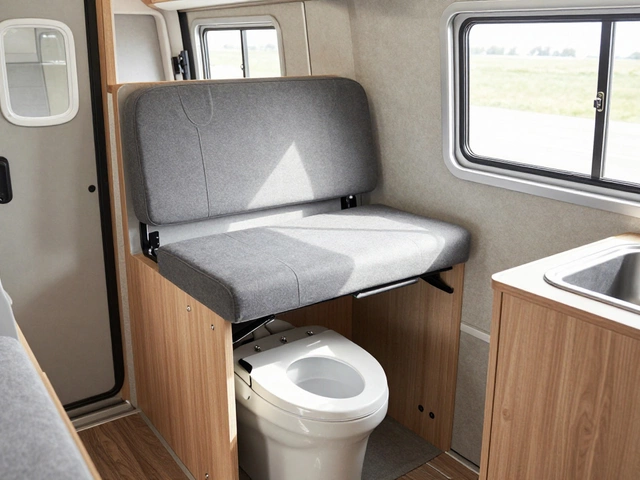
- Composting Toilets: Reducing water usage and waste while creating fertilizer for your garden.
This lifestyle requires significant upfront work and maintenance skills. If you break a pipe or your solar inverter fails, you’re on your own. But the reward is total autonomy.
Costs and Budgeting: What Will It Actually Cost?
People often assume living in the forest is cheaper than city life. Sometimes it is, sometimes it isn’t. Here’s a realistic breakdown of initial and ongoing costs.
| Expense Category | Buying Land | Long-Term Camping | Homesteading |
|---|---|---|---|
| Initial Setup | $50,000 - $500,000+ | $5,000 - $20,000 (Vehicle/Campervan) | $100,000+ (Renovation/Build) |
| Monthly Housing Cost | Mortgage ($2,000+) | Pitch Fee ($200 - $500) | Mortgage + Utilities |
| Utility Costs | Low (Off-grid setup) | Moderate (Park fees) | Low (Self-generated) |
| Maintenance | High (DIY repairs) | Low (Park handles infrastructure) | Very High (Constant upkeep) |
Note that these figures are estimates. Building costs in regional Australia can spike due to labor shortages. Always add a 20% buffer to your budget for unexpected issues like termite treatments or roof leaks.
Practical Challenges: Life in the Woods
Beyond the law and money, there are daily realities that catch people off guard.
Isolation: Being alone in the forest sounds peaceful until you’re sick or bored. You’ll need a strong mental game. Consider joining online communities or ensuring you have reliable satellite internet if you work remotely.
Wildlife: In Australia, you’re sharing space with snakes, spiders, and marsupials. While most are harmless, preparation is key. Keep food sealed in bear-proof bins (or rat-proof ones) and know basic first aid for bites.
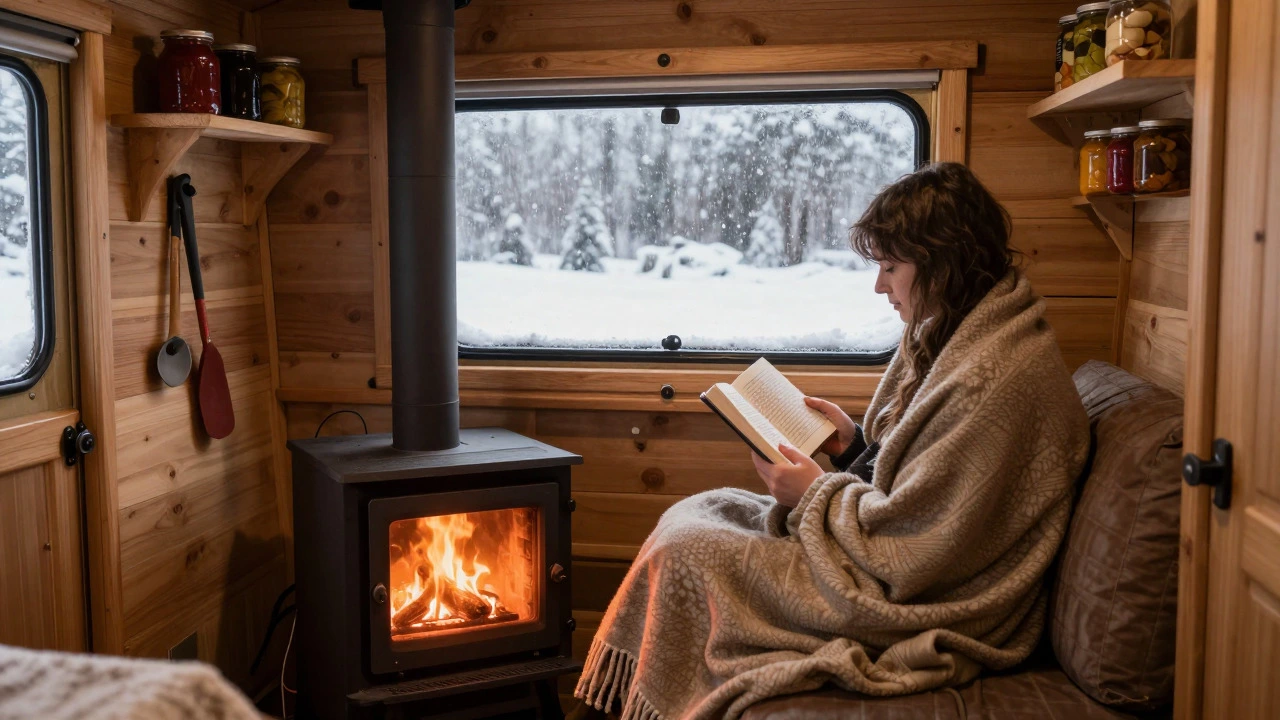
Weather Exposure: Forests offer shade in summer but can be damp and cold in winter. Proper insulation in your shelter is non-negotiable. A standard tent will not suffice for year-round living.
How to Start: A Step-by-Step Guide
If you’re serious about making this change, follow these steps to avoid costly mistakes.
- Test the Waters: Spend two weeks camping in the type of forest you want to live in. Don’t bring luxury gear. See how you handle the cold, the bugs, and the silence.
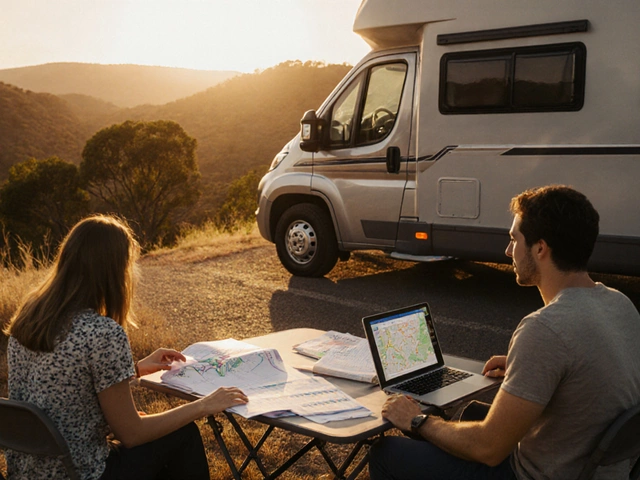
- Research Local Laws: Contact your local council in the region you’re interested in. Ask specifically about zoning for secondary dwellings or tiny homes.
- Secure Funding: Save for a deposit. Off-grid builds often require cash because banks may hesitate to lend on properties without mains water or sewer connections.
- Find a Mentor: Connect with people already living off-grid. Their advice on pitfalls will save you thousands.
- Start Small: Maybe start with a weekend cabin rental or a long-term camping site before committing to buying land.
Frequently Asked Questions
Is it illegal to live in the forest in Australia?
It is illegal to live permanently on public land without permission. You must either own the land or have a lease agreement. Wild camping is allowed for short periods in many national parks, but long-term residency requires legal tenure.
What is the cheapest way to live off-grid?
Living in a campervan or motorhome parked in a long-term caravan park is often the cheapest entry point. You avoid the high cost of land purchase and construction, paying only for the pitch and utilities.
Do I need a permit to build a cabin in the forest?
Yes, almost always. Even small structures like sheds or cabins usually require development approval from the local council. The size, location, and impact on the environment determine the complexity of the permit process.
Can I work remotely while living in the forest?
Yes, but you need reliable connectivity. Fiber optic internet is rare in deep forests. Most off-grid residents rely on 4G/5G LTE routers or satellite internet services like Starlink, which provide consistent speeds for video calls and uploads.
What should I look for when buying forest land?
Check for legal road access, soil quality for building foundations, water sources (rivers, bores), and zoning regulations. Avoid flood-prone areas and ensure the land has clear title without easements that restrict building.