RV Destination Planner
Select a state below to view detailed statistics, ideal travel times, and practical tips for your next road trip.
Florida
#1 in Registrations
Texas
#2 in Registrations
California
#3 in Registrations
Arizona
#4 in Registrations
Colorado
#5 in Registrations
You’re planning a road trip across America, and you want to know where the action is. You’re not just looking for pretty scenery; you want to know where your fellow travelers are parked. You want to know which state has the most motorhomes so you can find the best communities, the easiest access to campsites, and maybe even snag a better deal on used rigs. It’s a question that pops up every time someone starts dreaming about life on four wheels.
Here is the short answer: Florida consistently holds the top spot for total motorhome registrations. But if we look at per capita numbers or specific types of RVs, other states like Texas and Arizona give Florida a serious run for its money. Why does this matter? Because knowing where the RV population clusters helps you plan routes, understand local regulations, and avoid the surprise of showing up to a "quiet" town only to find it’s actually a rolling city of retirees and digital nomads.
Why Florida Dominates the Road
Florida is the undisputed king of motorhome registration numbers in the United States. The Sunshine State isn’t just popular because of the weather; it’s a hub because of infrastructure. With over 300 days of sunshine a year, Florida offers an environment that preserves vehicle longevity better than the rust-inducing salt air of northern coastal areas or the freeze-thaw cycles of the Midwest.
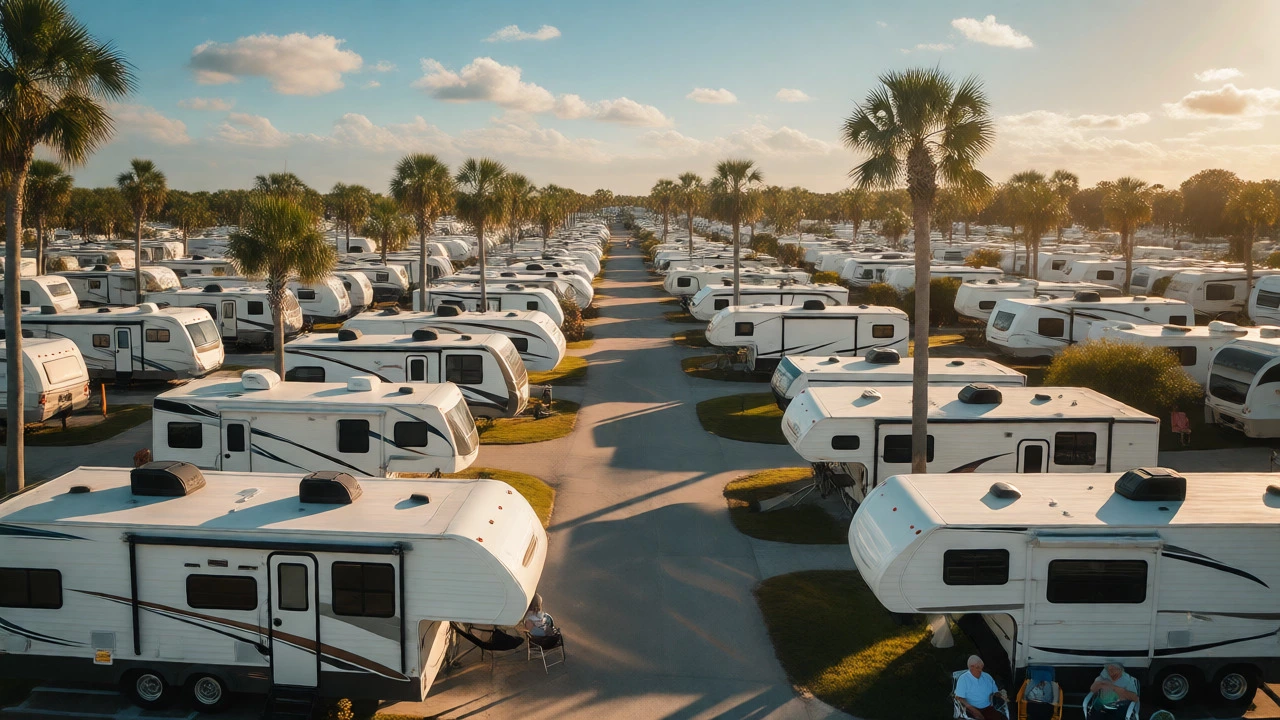
The sheer volume of RV parks here is staggering. From the Everglades to the panhandle, there are thousands of dedicated sites. This density creates a network effect. When you have high concentration, services improve. Parts dealerships stock more inventory. Repair shops specialize in Class A and Class C coaches. If your generator fails in Orlando, you aren’t waiting weeks for a part; you’re likely getting it fixed by Tuesday.
There is also the "Snowbird" phenomenon. Many owners register their vehicles in Florida to take advantage of lower property taxes and no state income tax. This inflates the registration numbers significantly. Even if the owner spends six months in Ohio, the title stays in Tallahassee. So, when you see Florida at number one, remember that some of those rigs are legally domiciled there but physically located elsewhere during the summer months.
Texas and Arizona: The Runners-Up with Different Vibes
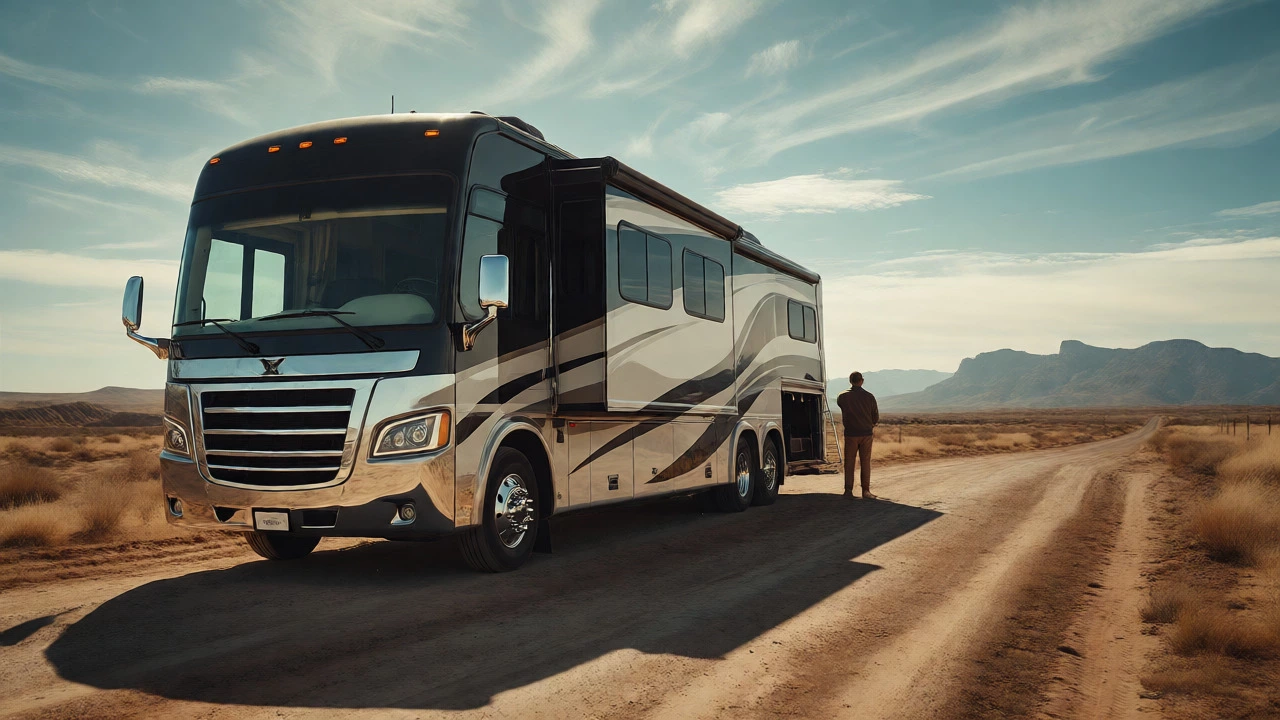
If Florida is the winter capital, Texas is the permanent home base for many full-time RVers. Texas ranks second in total registrations, but the culture here is different. Texans tend to buy larger, more rugged rigs capable of handling long distances and rougher terrain. The vastness of the state means that driving between major cities often requires overnight stops, fueling the demand for roadside parking and dispersed camping options.
Then there is Arizona. While it might trail Florida and Texas in raw numbers, Arizona punches above its weight in terms of percentage of households owning an RV. The desert landscape appeals to a specific demographic: people who hate humidity and love clear skies. Cities like Tucson and Phoenix become seasonal magnets, creating temporary spikes in traffic and campsite availability issues that don’t exist in less concentrated states.
| State | Estimated Registrations | Primary Driver | Best Season |
|---|---|---|---|
| Florida | 1.8 Million+ | Winter Migration & Tax Benefits | Nov - April |
| Texas | 1.2 Million+ | Large Fleet Size & Local Travel | Year-Round |
| California | 900,000+ | High Cost of Living Push & Coastline | May - Sept |
| Arizona | 750,000+ | Desert Climate & Retirement | Oct - March |
| Colorado | 400,000+ | Mountain Terrain & Adventure Tourism | June - Aug |
The California Paradox
You might expect California to be number one given its size and outdoor culture. It usually sits in third place. Why? The cost. Parking a 40-foot Class A motorhome in Los Angeles or San Francisco is nearly impossible without paying premium storage fees. Many Californians own smaller camper vans or towable trailers rather than large motorized homes.
Additionally, strict emissions regulations make buying new diesel pushers expensive. The California Air Resources Board (CARB) has stringent rules that add complexity to engine maintenance. This doesn’t mean Californians don’t love RVs; they do. But they often choose lighter, more agile vehicles that can fit into tight urban spaces or navigate narrow mountain roads in the Sierra Nevada. If you’re looking for big rig communities, California feels fragmented compared to the sprawling RV parks of Florida.
How Registration Numbers Impact Your Trip
So, why should you care which state has the most motorhomes? It changes how you pack and plan. In high-density states like Florida and Arizona, you need to book campsites months in advance. The competition is fierce. During peak season, finding a spot with full hookups (water, electric, sewer) in a desirable location like Naples or Scottsdale requires early commitment.
In contrast, traveling through lower-density states like Montana or Wyoming offers a different challenge. There are fewer registered RVs, which means less congestion at national parks. However, you also have fewer repair shops. If you blow a tire in rural Nebraska, you might wait hours for a service truck. Knowing the RV density helps you gauge the level of support infrastructure available along your route.
- High Density Areas: Expect higher campsite rates, crowded dump stations, and excellent parts availability.
- Low Density Areas: Expect cheaper sites, quiet surroundings, but limited technical support.
- Transit States: States like Georgia or Tennessee see massive transient populations during holidays, causing temporary bottlenecks despite moderate year-round registration numbers.
Emerging Trends in 2026
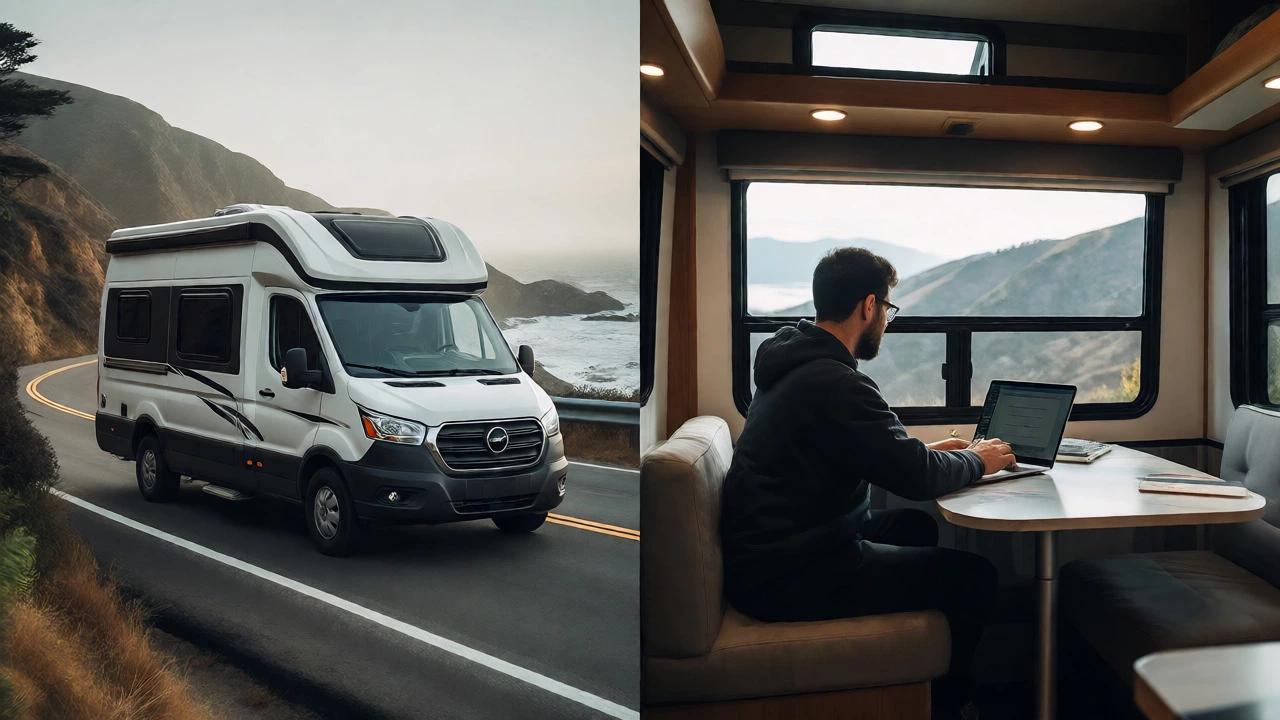
The landscape is shifting. Since the pandemic boom, we’ve seen a rise in "Van Life" conversions. This has boosted registration numbers in states with liberal street-parking laws, such as Oregon and Washington. These states don’t top the charts for traditional Class A motorhomes, but they lead in Class B camper vans. If you’re counting all recreational vehicles, the Pacific Northwest moves up the list significantly.
Another trend is remote work. More digital nomads are choosing states with low taxes and good internet infrastructure. Idaho and South Dakota have seen steady growth in RV registrations as people realize they can work from anywhere. This decentralizes the market slightly, spreading out the pressure on traditional hotspots like Florida.
Practical Tips for High-Density RV States
If you plan to visit the top-ranked states, here is how to survive the crowds:
- Book Early: For Florida in January, book three to six months ahead. For Arizona in February, aim for two months out.
- Check Dump Station Status: In high-population areas, public dump stations get clogged quickly. Carry your own portable waste tank as a backup.
- Watch for Weight Limits: Older bridges in high-RV states may have posted weight limits that exclude heavy diesel pushers. Always check signage.
- Join Local Clubs: Groups like the Good Sam Club or regional RV associations often have insider info on open spots when online booking systems show nothing available.
Understanding where the motorhomes are helps you align your expectations. If you go to Florida expecting solitude, you’ll be disappointed. If you go to Alaska expecting easy repairs, you’ll be frustrated. Match your travel style to the RV density of your destination, and you’ll have a much smoother journey.
Which state has the most RVs per capita?
While Florida leads in total numbers, states like South Dakota, North Dakota, and Montana often have higher percentages of households owning an RV relative to their small populations. Rural lifestyles and proximity to public lands drive these higher per-capita figures.
Is it cheaper to register an RV in Florida?
Yes, for many owners. Florida has no state income tax and generally lower property taxes on vehicles compared to states like New York or California. Additionally, the lack of annual safety inspections in many counties saves time and money.
Do I need special insurance for RVs in high-density states?
Standard auto insurance rarely covers RVs adequately. In states like Florida and Texas, you need specialized RV insurance that covers liability, comprehensive, collision, and total loss replacement value. Some insurers offer discounts for bundling with homeowners policies if you maintain a primary residence elsewhere.
Where are the best places to park an RV in Florida?
The Gulf Coast (Naples, Fort Myers) and the Space Coast (Cocoa Beach) are highly popular due to beach access and amenities. Central Florida near Disney World offers convenient stopovers, though prices are higher. The Panhandle offers quieter, more natural settings with lower costs.
Are motorhome sales still growing in 2026?
Sales have stabilized after the post-pandemic surge. Growth is now driven by the entry-level market (camper vans and pop-ups) and luxury buyers upgrading older units. Interest rates remain a key factor influencing purchase decisions in high-registration states.