Motorhome Shower Safety Checker
Select your current scenario to check the risk level, legal status, and recommended action.
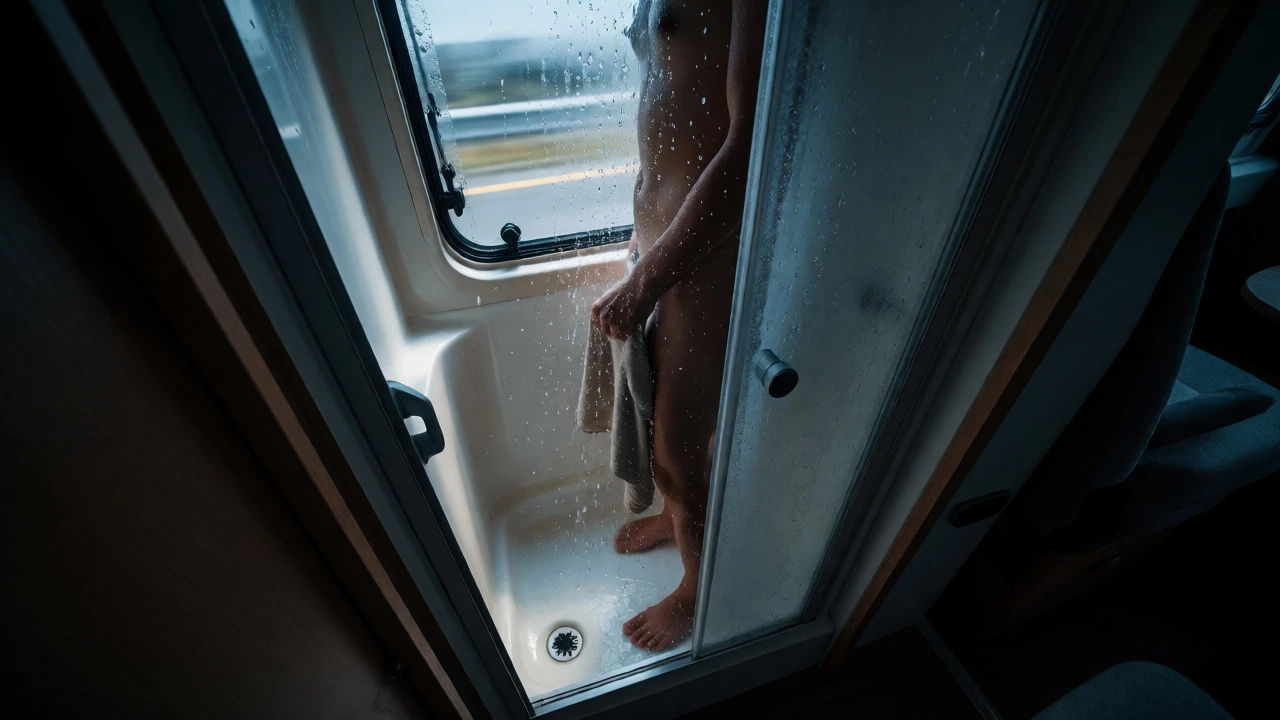
You’re halfway to the beach, the kids are screaming because they smell like sunscreen and sweat, and you just hit a patch of smooth highway. The urge hits: can I just hop in the shower and wash up while my partner drives? It sounds like the ultimate freedom hack for road trippers. But before you strip off and turn on the taps, there’s a harsh reality check involving physics, law, and your insurance policy.
The Short Answer: Technically Yes, Practically No
Here is the brutal truth. If you have a wet bath or a separate shower cubicle with a door that latches, you physically can stand in it while the vehicle moves. There is no magical sensor that locks the door when the wheels turn. However, doing so is almost always a bad idea. In most jurisdictions, including Australia where I’m based, if you aren’t wearing a seatbelt, you are breaking the law. And yes, standing naked in a shower stall does not count as being belted in.
Most motorhome manufacturers design showers for stationary use. The water heater systems, whether gas or electric, often require the vehicle to be level and stable to operate correctly. If you try to heat water while bouncing over corrugated roads, you risk damaging the boiler or creating uneven temperatures that could scald you.
The Physics of Moving Water
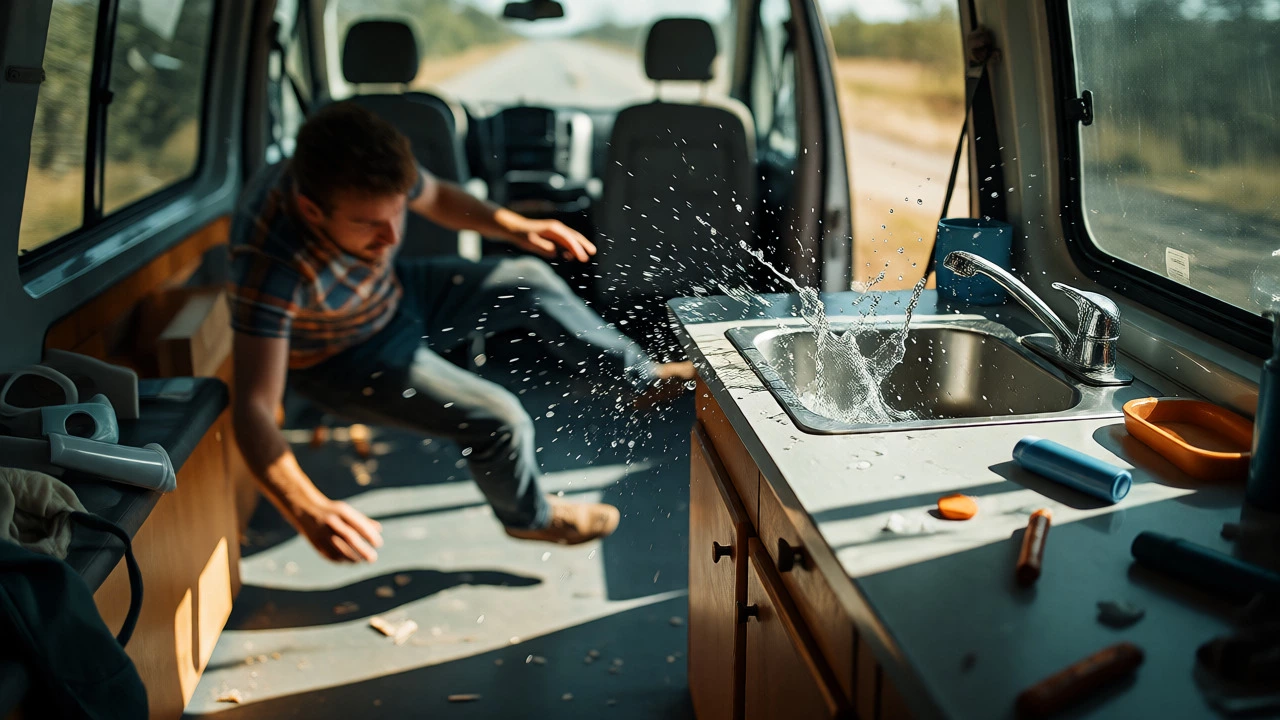
Think about what happens when you carry a cup of coffee in a car going 100 km/h. Now imagine that cup is attached to your body, and the car hits a pothole. Momentum is unforgiving. When a motorhome accelerates, brakes, or turns, everything inside wants to keep doing what it was doing. If you are standing in a slippery shower tray without handrails designed for motion, you become a projectile.
- Sudden Braking: If the driver slams on the brakes, you fly forward into the wall or glass door.
- Lateral G-Force: On corners, you slide sideways. Shower trays are small; there is nowhere to go but down or into a fixture.
- Water Weight: A full tank of grey water sloshes around, shifting the center of gravity. Add a moving human body, and the handling gets unpredictable.
I once saw a traveler attempt this in a camper van near Byron Bay. He didn’t buckle up. The driver took a sharp exit ramp too fast. Our friend slid across the vinyl floor, cracked his elbow on the sink edge, and ended up in urgent care instead of the beach. It wasn’t worth the ten minutes saved.
Legal Implications and Insurance Risks
This is the part people ignore until it’s too late. In Australia, under the Road Rules, all passengers must wear an approved restraint (seatbelt) whenever the vehicle is in motion. There is no exemption for "being in the bathroom." If police pull you over-or worse, if you get into an accident-and you are found unbelted, you face fines. More importantly, your insurance might void the claim.
Insurers view unbelted passengers as negligent. If you slip and break a bone while showering at 80 km/h, the insurer will argue that you weren't using the vehicle's safety features as intended. They may deny coverage for medical costs or vehicle damage resulting from erratic driving caused by panic. Don’t gamble your savings for a quick rinse.
| Scenario | Risk Level | Legal Status (AU) | Recommendation |
|---|---|---|---|
| Driving on Highway (100km/h+) | High | Illegal (Unbelted) | Avoid completely |
| Stop-and-Go Traffic | Medium | Illegal (Unbelted) | Risky due to sudden stops |
| Parked/Campsite | Low | Legal | Safe and Recommended |
| Engine Off, Running Heater | Low | Legal | Check ventilation first |
How Modern Motorhomes Handle This
Some high-end motorhomes come with "driver-only" mode settings or interlocks. These systems disable certain appliances, like the microwave or sometimes the water pump, when the ignition is on. Check your owner’s manual. If your water pump shuts off when the engine starts, you literally cannot shower while driving anyway.
Even if the pump works, consider the noise. Gas boilers make a distinct rumbling sound. Electric heaters hum. Trying to relax in a noisy, vibrating box while someone else navigates traffic isn’t exactly spa-like. It’s stressful. The driver is distracted knowing you’re sliding around behind them, and you’re tense trying to stay upright.
Alternatives That Actually Work
If hygiene is the main issue, look at these practical workarounds instead of risking injury.
- The Sponge Bath: Fill a basin with warm water. Use a flannel and mild soap. It takes five minutes, requires no plumbing, and you stay seated with your seatbelt on. It’s surprisingly effective for removing salt and sweat.
- Wet Wipes: Keep a pack of biodegradable baby wipes in the cab. Target the armpits and feet. It’s not a shower, but it resets your freshness meter.
- Plan Stops Around Showers: Most caravan parks allow non-guests to use facilities for a small fee ($5-$10). Or find public beaches with hot showers. Planning a stop every 3-4 hours breaks up the drive anyway.
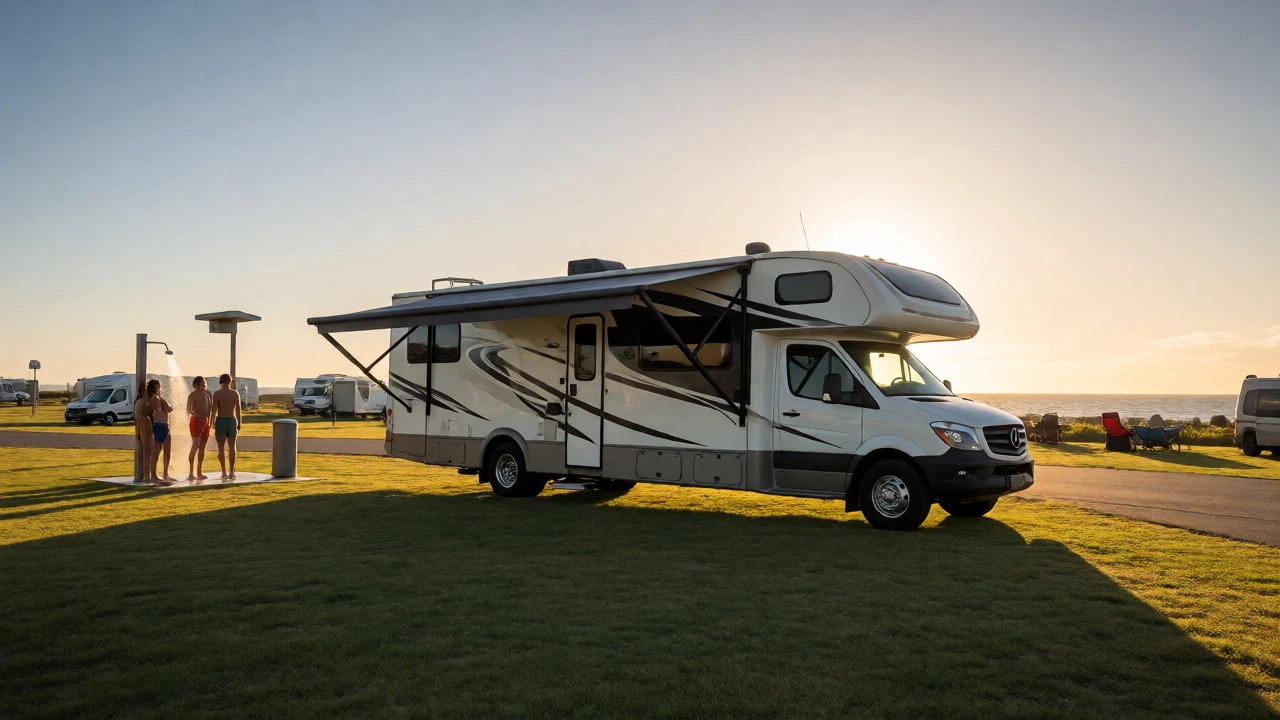
- Outdoor Showers: Many campers bring portable solar showers. Hang one on a tree branch during a rest stop. It’s free, refreshing, and legal.
Special Cases: When Is It Okay?
Are there exceptions? Sort of. If you are in a massive Class A motorhome with a dedicated living area and you remain seated in a belted position, you are fine. But standing in a wet room? Rarely safe.
One niche scenario involves long-haul truckers who convert their cabs. Some use "dry baths"-a sealed compartment where they use pre-warmed towels and dry shampoo. This avoids water entirely. If you absolutely must clean up while moving, stick to dry methods. Water adds weight, slip hazards, and drainage issues if it spills onto the floor.
Also, consider the weather. If it’s raining outside, opening the awning or stepping out is messy. But staying inside and splashing water around in a moving vehicle creates condensation. In winter, this fogged-up window blocks the rearview mirror. The driver loses visibility. Another safety hazard.
Preparation Tips for Long Trips
To avoid the temptation of mid-drive showering, prep your gear.
- Quick-Dry Towels: Invest in microfiber towels. They pack small and dry fast, reducing mold smells in the cabin.
- Portable Bidets: Great for freshening up without a full wash.
- Change of Clothes: Keep a fresh set of clothes accessible in the cab, not buried in the back cupboard.
- Deodorant: Apply it before you leave home. Reapply at stops.
Remember, the joy of motorhome travel is the flexibility, not the ability to multitask unsafe activities. Taking a proper shower at a campsite gives you time to stretch your legs, let the dog run, and reset mentally. Rushing a shower while speeding past signs for "Next Town 50km" rarely feels relaxing.
Is it illegal to shower in a moving motorhome?
In most countries, including Australia and the US, it is illegal to be an unbelted passenger in a moving vehicle. Since you cannot wear a seatbelt while standing in a shower, you are technically breaking traffic laws. Additionally, local regulations may prohibit open flames or specific appliance usage while in motion.
Will showering while driving damage my motorhome?
Potentially. Sudden movements can cause water to spill into electrical components or wood flooring, leading to rot or short circuits. Furthermore, operating a gas boiler while the vehicle is tilting or vibrating excessively can strain the system or cause inefficient heating, potentially overheating the unit.
What if I only want to wash my hands?
You can wash hands at the kitchen sink while seated and belted. This is generally considered safe and legal, provided you don't lean out or create a distraction for the driver. Avoid turning on the tap vigorously if it causes large amounts of water to splash onto the floor.
Do all motorhomes have showers that work while driving?
No. Many modern motorhomes have electronic control panels that disable the water pump or gas boiler when the ignition is turned on to prevent accidents. Always check your specific model's user manual to see if the water system is locked out during transit.
Is it safer to shower in a parked motorhome with the engine running?
Yes, significantly safer. As long as the vehicle is in park (or neutral with parking brake engaged), you are not subject to momentum forces. However, ensure adequate ventilation if using a gas heater to prevent carbon monoxide buildup, especially if windows are closed against rain.