Forest Camping Matchmaker
Not all forests are created equal. Answer these three questions to find your perfect forest destination.
Result Title
TypeDescription goes here.
Best For:
Key Features:
There is a specific kind of magic that happens when you pitch your tent under the canopy. The light filters through the leaves in dappled patterns, the air smells of pine needles and damp earth, and the noise of the world seems to get muffled by layers of bark and branch. But not all forests are created equal. Some are dense, dark, and difficult to navigate. Others are open, sun-drenched, and perfect for a family weekend.
Finding the best forest for camping depends entirely on what you are looking for. Are you after rugged solitude? Do you need hot showers and electric hookups? Or do you want to sleep suspended in a hammock between two ancient oaks? This guide breaks down the top forest camping experiences, from the managed campgrounds of Europe to the wilder backcountry options, helping you choose the right trees for your next adventure.
Why Forest Camping Feels Different
Camping in a forest offers a distinct sensory experience compared to beach or mountain camping. The primary benefit is microclimate regulation. In summer, the tree cover keeps temperatures lower than open fields. In winter, the windbreak provided by dense trunks can make a significant difference in comfort levels.
However, there are trade-offs. Moisture retention is higher in forests, meaning dew can soak your gear overnight if you aren't careful. Visibility at night is reduced, which adds to the atmosphere but requires a good headlamp. And perhaps most importantly, fire safety is critical. Dry leaf litter creates high fuel loads, so understanding local fire regulations is non-negotiable.
The Top Contenders for Forest Camping
If you are planning a trip in 2026, here are three distinct types of forest environments that consistently rank as the best for different kinds of campers.
1. The Ancient Woodlands of the UK
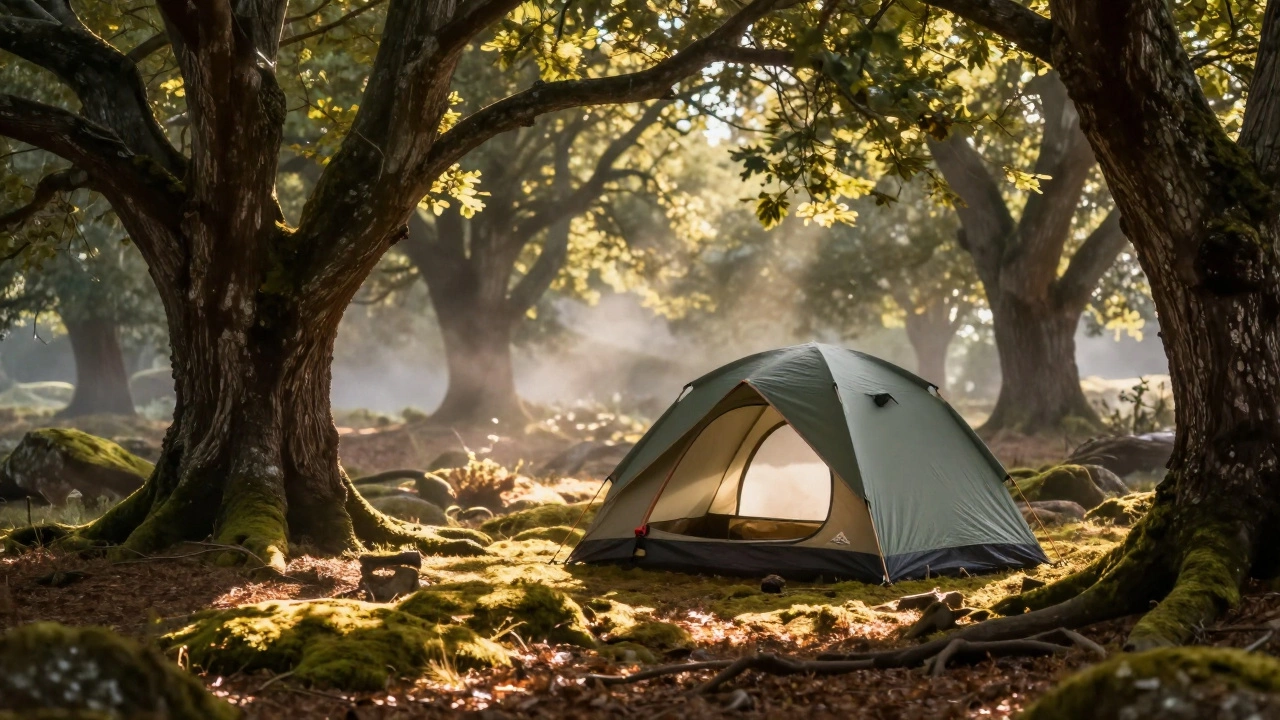
For those seeking history mixed with nature, the ancient woodlands of the United Kingdom offer unparalleled character. Places like the New Forest in Hampshire or Sherwood Forest in Nottinghamshire provide a mix of designated campsites and legal wild camping zones (particularly in Scotland). These forests are often smaller in scale, making them easy to hike through. The flora is diverse, featuring beech, oak, and birch.
Best for: Hikers, history buffs, and those who prefer established sites with amenities nearby.
2. The Pacific Northwest Temperate Rainforests
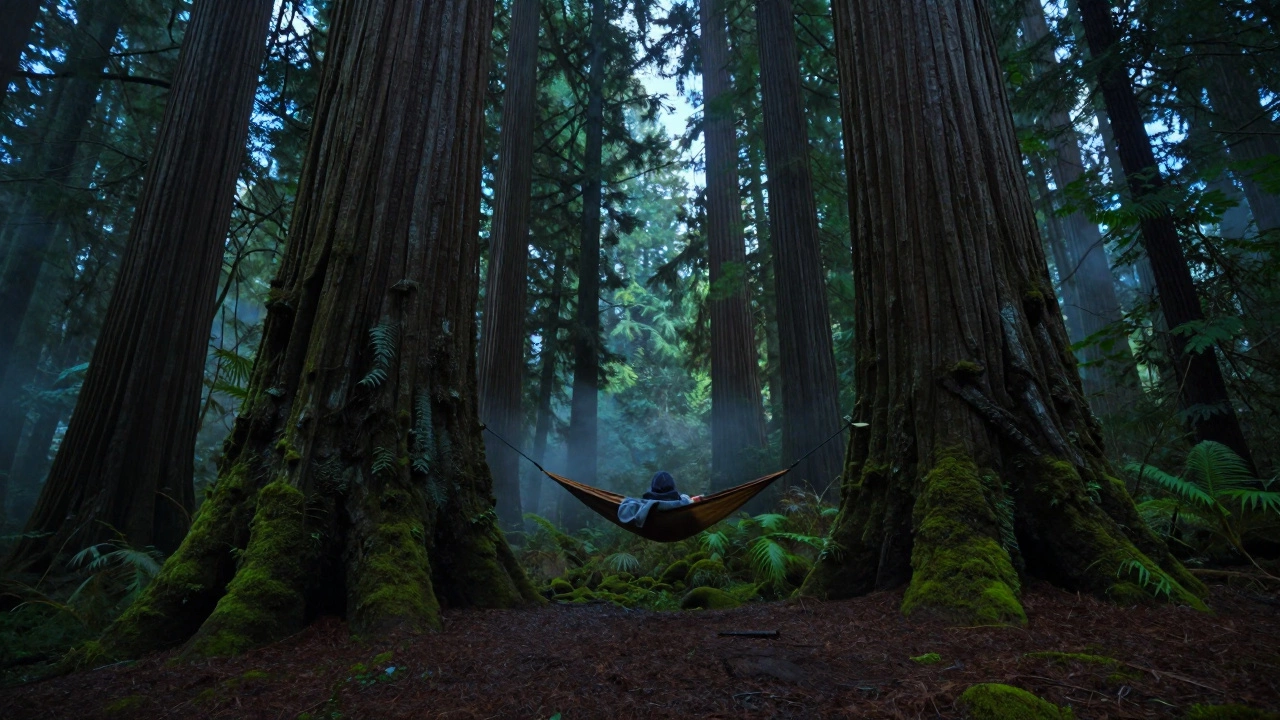
If you want to feel small, head to the Olympic National Park in Washington State or the Redwoods in California. Here, the trees are giants. The canopy is so thick that it creates a cathedral-like silence. The ground is covered in moss rather than dry leaves, which changes the footing and the smell of the camp. These areas require more preparation regarding rain gear, as precipitation is frequent even in spring.
Best for: Photographers, solitude seekers, and experienced hikers comfortable with wet conditions.
3. The Pine Barrens of Eastern North America
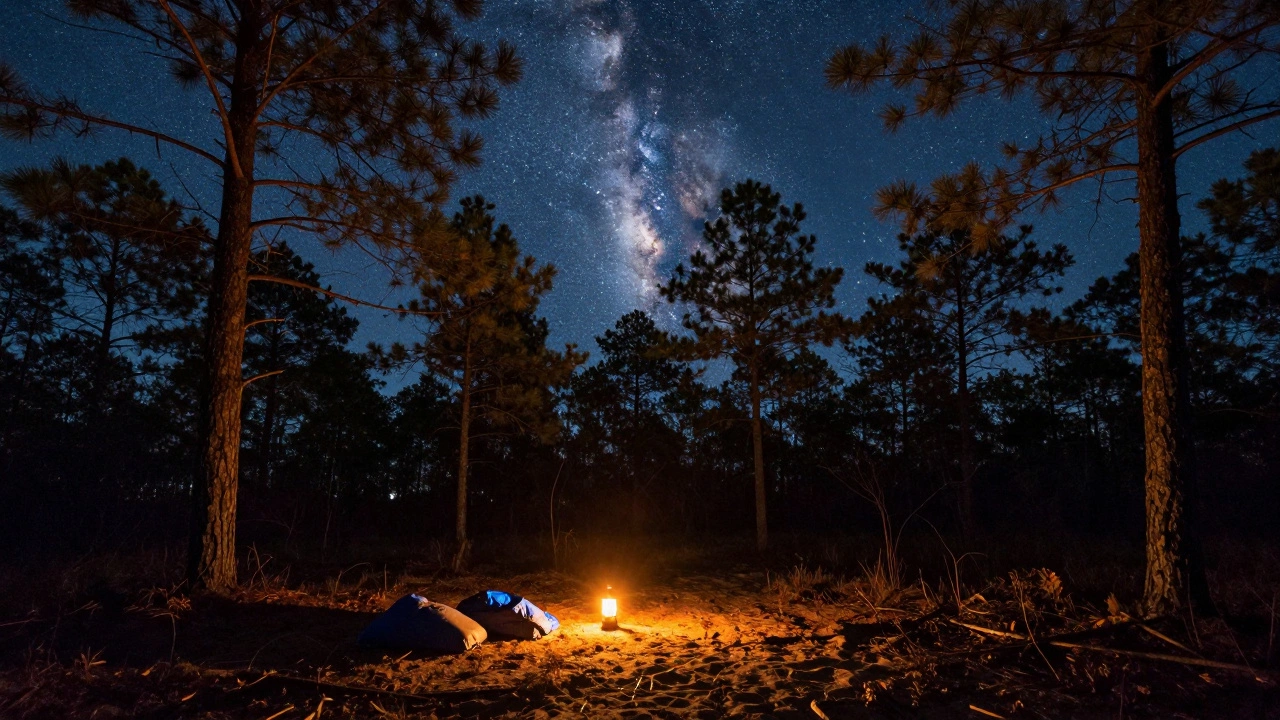
The Pine Barrens in New Jersey or similar pine-heavy forests in the Southeast US offer a different vibe. The soil is sandy, drainage is excellent, and the view is often unobstructed because the branches grow higher up. This makes stargazing significantly better than in dense deciduous forests. The scent of pine resin is pervasive and calming for many campers.
Best for: Stargazers, families with kids who want open space, and those prone to motion sickness (less swaying branches).
Choosing Your Site: Canopy vs. Clearing
Once you have chosen a forest, the next decision is where to pitch. This is where many beginners make mistakes. You might think sleeping directly under the thickest part of the canopy is ideal for shade, but this is often where "widowmakers"-dead branches waiting to fall-accumulate. It is also where rain drips continuously, creating puddles around your tent.
The sweet spot is the edge of a clearing or a gap in the canopy. You get partial shade during the hottest part of the day, sunlight in the morning to dry out dew, and clear sightlines to spot wildlife. Always check above you before setting up. Look for dead branches hanging over potential tent sites. Give them a wide berth.
| Forest Type | Best Season | Fire Risk | Wildlife Activity | Difficulty Level |
|---|---|---|---|---|
| Deciduous (Oak/Birch) | Spring/Autumn | High (Dry Leaves) | High | Moderate |
| Coniferous (Pine/Fir) | Summer/Winter | Very High (Resin) | Moderate | Easy |
| Temperate Rainforest | All Year (Rain Gear Needed) | Low | Low | Hard (Mud/Rain) |
Gear Adjustments for the Woods
Your standard camping kit needs slight modifications for the forest floor. First, invest in a footprint or tarp that extends beyond your tent dimensions. Roots and rocks are hidden under leaf litter and can puncture tent floors. A thicker footprint protects against these unseen hazards.
Second, consider your lighting. Headlamps are essential, but red-light modes are preferable. They preserve your night vision and are less likely to attract insects, which are abundant in forest ecosystems. Third, bring extra stakes. Soil in forests can be soft and mulchy, especially after rain. Standard fiberglass stakes may pull out; longer, steel Y-stakes hold better in loose organic matter.
Safety and Etiquette in Forest Campsites
Forests are shared spaces. Whether you are in a designated campground or practicing Leave No Trace principles in the wild, etiquette matters. Keep noise levels down, especially after dusk. Many forest animals rely on sound to detect predators, and loud talking can disrupt their behavior.
Food storage is critical. In many northern forests, bears are present. Use bear-proof containers or hang food bags from high branches (at least 10 feet up and 4 feet away from the trunk). Even in bear-free zones, rodents love tents. Never eat inside your shelter.
Fire safety cannot be overstated. If fires are permitted, use existing fire rings. Never build a new fire on bare soil or fresh leaf litter. Douse the fire completely with water until it hisses no more, then stir and douse again. Hot embers buried in dry leaves can smolder for days and ignite wildfires long after you have left.
Canopy Camping: Sleeping in the Trees
A growing trend in forest camping is canopy camping, using hammocks or elevated platforms. This method gets you off the ground, avoiding bugs, snakes, and damp soil. It requires specific skills, however. You need trees spaced appropriately (usually 10-15 feet apart) and strong enough to support your weight plus dynamic movement.
Always use tree-friendly straps, never rope directly around the bark. Rope cuts into the cambium layer of the tree, damaging its ability to transport nutrients. Wide webbing straps distribute pressure evenly. If you try this, start with a low height to test your setup before going high.
Planning Your Trip: Permits and Regulations
In 2026, access to public lands remains regulated. In the UK, wild camping is generally only permitted in Scotland under the Land Reform Act. In England and Wales, you must seek permission from landowners or use designated campsites. In the US, dispersed camping is allowed in many National Forests but prohibited in National Parks unless at designated sites.
Always check current regulations before heading out. Fire bans are common in late summer due to drought conditions. Some forests close temporarily for wildlife breeding seasons. Download offline maps, as cell service is often nonexistent in deep woodland areas.
Is it safe to camp alone in the forest?
Camping alone in the forest can be safe if you are prepared and informed. Tell someone your exact location and expected return time. Carry a fully charged phone, a power bank, and ideally a satellite messenger device. Stick to well-marked trails for your first solo trips and avoid remote areas with known predator activity. Always prioritize situational awareness.
What should I do if I encounter wildlife while camping?
Stay calm and give the animal space. Do not run, as this can trigger a chase response in predators. Speak in a calm, firm voice to identify yourself as human. Back away slowly without turning your back. Secure all food sources immediately. If the animal approaches aggressively, use bear spray if available and follow species-specific guidelines (e.g., playing dead for grizzlies, standing ground for black bears).
How do I prevent my tent from getting wet in the forest?
Pitch your tent on slightly elevated ground to avoid pooling water. Use a waterproof footprint under your tent. Ensure your tent fly is taut to prevent rain from dripping inside. Avoid pitching directly under heavy foliage where rain drips continuously. Ventilate your tent to reduce condensation, which can be mistaken for leaks.
Are there any forests where wild camping is illegal?
Yes, wild camping laws vary significantly by region. In England and Wales, wild camping is technically trespassing and often prosecuted. In the US, dispersed camping is allowed in many National Forests but banned in National Parks. Always check local regulations. In some protected areas, camping is restricted to specific zones to preserve fragile ecosystems.
What is the best time of year to go forest camping?
Spring and autumn are generally the best times for forest camping. Temperatures are mild, insect populations are lower than in summer, and the scenery is vibrant. Summer can be hot and humid with high bug activity. Winter offers solitude but requires specialized gear for cold and snow. Always check weather forecasts and fire danger ratings before booking.