UK Camper & Wild Camping Rule Checker
Select a UK region to view specific laws and calculate your "Respect Score" based on planned behavior.
England
Trespass RiskNo general right to camp. Private land rules apply.
Scotland
Right to RoamLegal to wild camp with responsibilities.
Wales
Trespass RiskSimilar to England. Stricter in National Parks.
N. Ireland
Private LandFollow private land rules. Check local signs.
Region Rules
Based on current regulationsEtiquette & Safety Checklist
Check off items to see your risk levelComplete the checklist to assess your readiness.
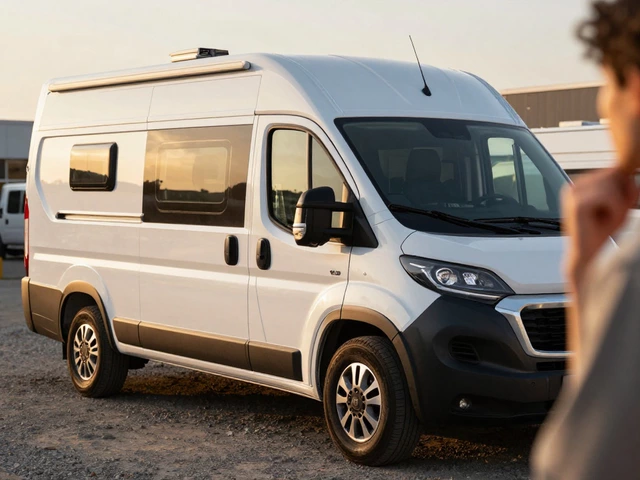
You pull your camper van into a quiet layby, park next to a stunning view, and settle in for the night. Then you see it: a sign that says 'No Overnight Parking.' Or worse, a farmer walks up and asks what you're doing there. It’s a scenario many travelers face when they ask the question: can you sleep in a camper in the UK?
The short answer is complicated. Unlike the United States or parts of Europe where wild camping has specific legal frameworks, the UK operates on a patchwork of land ownership laws, local council bylaws, and unwritten social contracts. If you treat the countryside like an open buffet for sleeping, you might find yourself with a fine or a towed vehicle. But if you know the rules, you can still enjoy the freedom of the road.
Understanding the Legal Landscape: England, Scotland, Wales, and Northern Ireland
The first thing to grasp is that the UK is not one legal entity when it comes to camping. The rules change drastically depending on which nation you are driving through. This isn't just semantics; it determines whether you are breaking the law or exercising a right.
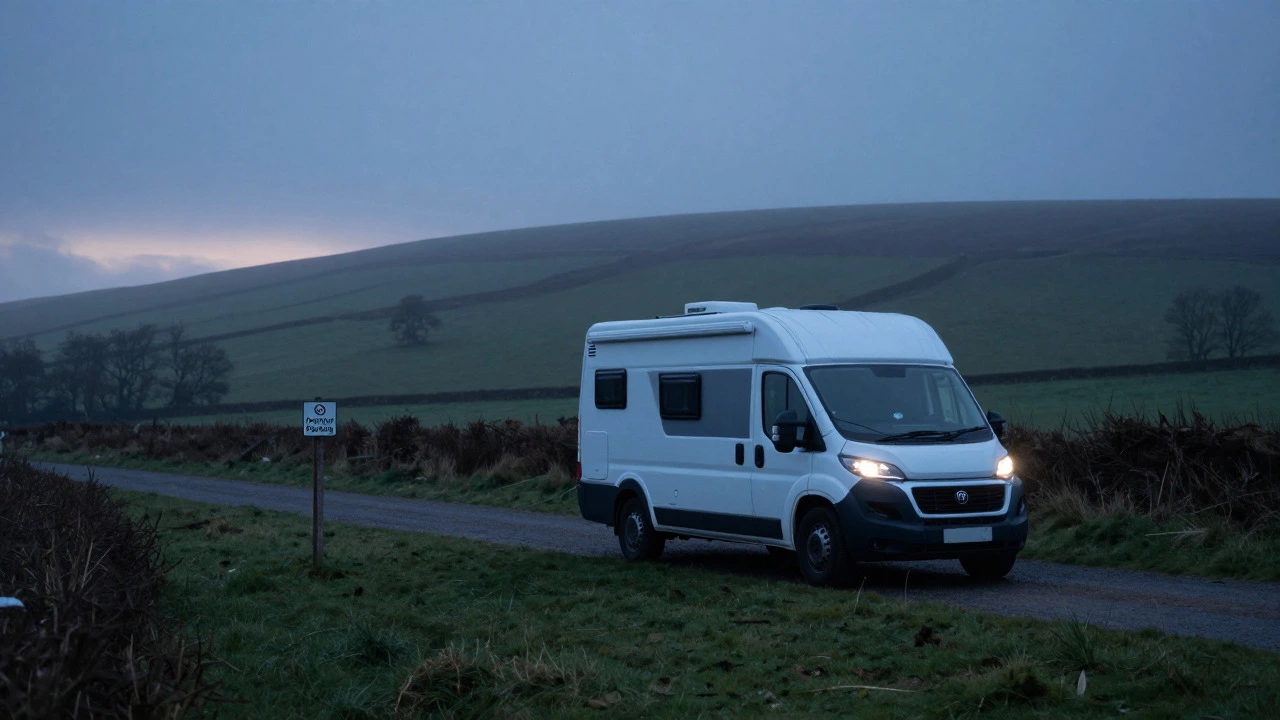
In England and Wales, land is privately owned unless explicitly stated otherwise. There is no general right to wild camp. Technically, stopping your vehicle on private land without permission is trespassing. While police rarely arrest people for simply sleeping in their vans, landowners have the power to ask you to leave. If you refuse, you could be prosecuted. Furthermore, many local councils have implemented strict bylaws banning overnight parking on streets and in certain public areas to prevent 'van life' congestion.
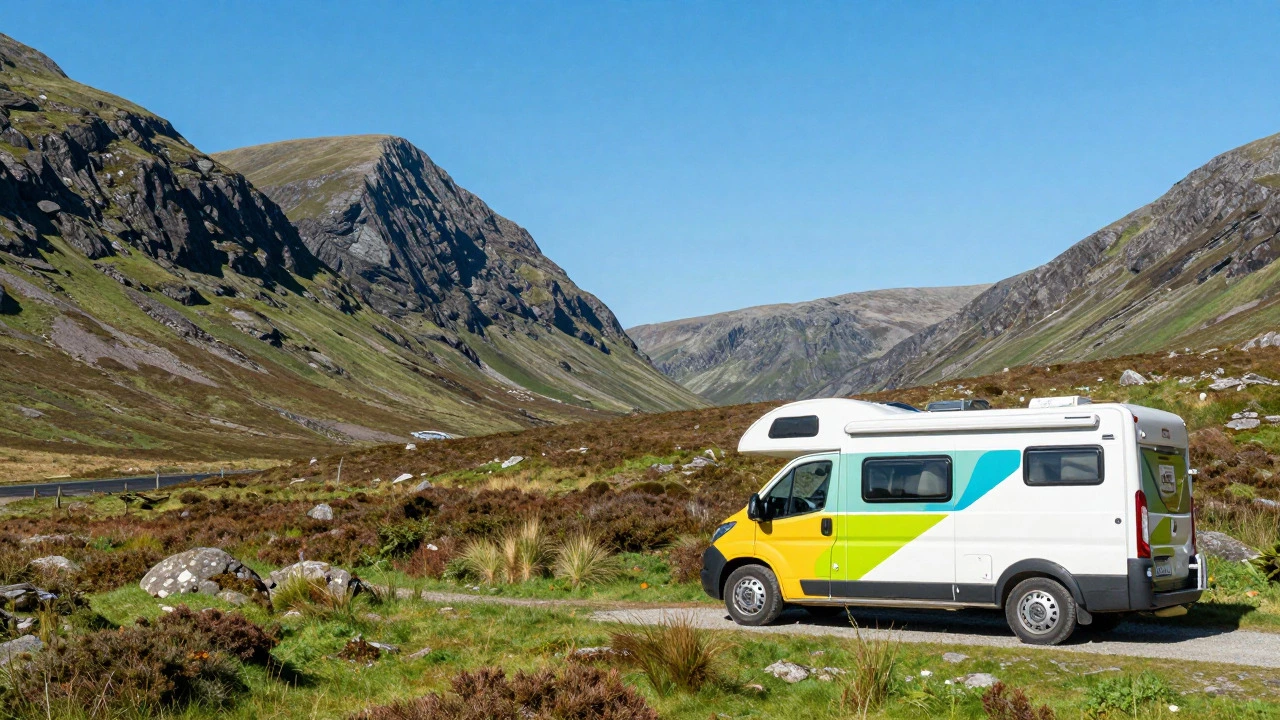
Scotland is the exception that proves the rule. Thanks to the Land Reform (Scotland) Act 2003, Scotland has a codified Right to Roam. This allows you to wild camp almost anywhere, including in your camper, as long as you follow the Scottish Outdoor Access Code. You must be respectful, leave no trace, and stay for no more than two or three nights in one spot. It is one of the most progressive access laws in the world.
Northern Ireland generally follows similar principles to England and Wales regarding private land, but enforcement can vary. Always check local signage and respect property boundaries.
The Difference Between Wild Camping and Overnight Parking
Many people confuse wild camping with overnight parking. They are not the same thing, and mixing them up can lead to trouble.
Wild camping usually implies setting up a tent or living out of your vehicle in a remote, natural setting away from developed infrastructure. It involves cooking outside, using portable toilets, and blending into the landscape. When done correctly and respectfully, wild camping in secluded spots in England and Wales is often tolerated by landowners who may never even know you were there.
Overnight parking, on the other hand, often happens near towns, cities, or popular tourist attractions. This is where tensions rise. Local residents complain about noise, light pollution, and waste. Consequently, many towns in England and Wales have introduced 'Clearway' signs or specific bans on motorhome parking after certain hours. Sleeping in your camper in a supermarket car park or a roadside rest stop is technically parking, not wild camping, and is increasingly restricted.
Where Can You Legally Sleep in Your Camper?
If you want to avoid arguments with farmers or fines from council wardens, here are the safest places to sleep in your camper in the UK:
- Designated Campsites: These are the gold standard. You pay a fee, you get facilities like water, electricity, and toilets, and you have explicit permission to be there. Organizations like the Caravan and Motorhome Club offer members access to thousands of sites across the country.
- Boatyards and Farm Stays: Many farmers now offer paid overnight stays for campers. Apps like PitchUp or LoveCamperVan list these locations. It supports local agriculture and guarantees you a safe spot.
- Official Rest Areas: Some motorway service stations allow overnight stops, though this is becoming rarer. Always check the specific station's policy before pulling in.
- Private Land with Permission: If you know a landowner or use apps that connect travelers with hosts, you can sleep legally on private property. Just ensure you have clear agreement on duration and fees.
Rules for Wild Camping in England and Wales
If you decide to take the risk and wild camp in England or Wales, you need to follow a strict code of conduct to minimize conflict. Think of it as being a guest in someone’s home without meeting the host.
- Arrive Late, Leave Early: Never set up camp during the day. Arrive after dusk and leave before dawn. This reduces visibility and minimizes disturbance to locals and wildlife.
- Stay Off Main Roads: Avoid parking on verges or in obvious laybys near villages. Go deeper into the countryside. The further you are from populated areas, the less likely you are to cause issues.
- Leave No Trace: This is non-negotiable. Take all your rubbish with you. Use a portable toilet or dig a cathole far from water sources. Do not burn fires unless absolutely necessary and permitted, as fire damage is a major concern for landowners.
- No Alcohol or Noise: Keep your lights off and voices down. Respect the peace of the area.
- Limit Your Stay: Spend no more than one night in any location. Moving on shows respect and reduces the chance of being reported.
Scottish Right to Roam: What You Need to Know
Driving into Scotland changes everything. Under the Scottish Outdoor Access Code, you have the right to wild camp in your camper. However, this right comes with responsibilities:
- Avoid Private Gardens: Do not camp in enclosed gardens or within 200 meters of a house.
- Group Size: Large groups should book designated sites. Small groups (up to 6 people) can wild camp discreetly.
- Durability: Do not stay in one place for more than two or three nights.
- Cleanliness: Pack out all waste. Scotland prides itself on its clean environment, and littering can lead to fines under separate environmental laws.
| Region | Legal Status | Key Restrictions | Best For |
|---|---|---|---|
| England | Trespass (Civil) | Private land, council bylaws | Remote, discreet stays |
| Wales | Trespass (Civil) | Similar to England, stricter in national parks | Coastal paths, inland valleys |
| Scotland | Legal (Right to Roam) | Access Code, 2-3 night limit | Highlands, islands, mountains |
| Northern Ireland | Trespass (Civil) | Private land, local ordinances | Designated sites only |
Common Pitfalls and How to Avoid Them
Even experienced travelers make mistakes. Here are the most common errors that lead to conflicts or fines:
Ignoring Signage: A sign saying 'No Motorhomes' or 'No Overnight Parking' is a legal notice. Ignoring it gives councils grounds to issue Penalty Charge Notices (PCNs). These fines can range from £50 to £100 and escalate if unpaid.
Blocking Access: Never park in a way that blocks farm gates, emergency vehicle access, or pedestrian paths. This is not just rude; it can be considered an obstruction offense.
Assuming Supermarkets Are Free: In the past, supermarkets allowed overnight parking. Now, many have banned it due to resident complaints. Always check the store manager's policy or look for specific motorhome-friendly chains.
Leaving Waste Behind: Dumping grey water (sink/shower water) on the ground is illegal in many areas and highly offensive to landowners. Use designated disposal points or carry it away.
Essential Gear for Responsible Camper Travel
To sleep comfortably and legally in your camper, you need the right equipment. Relying on public facilities isn't always possible, especially when wild camping.
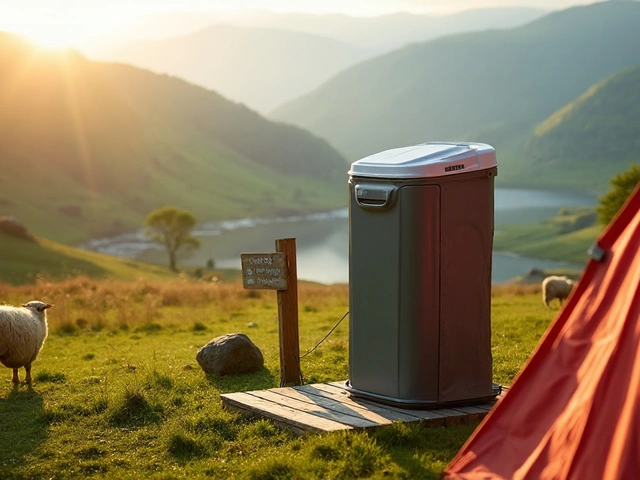
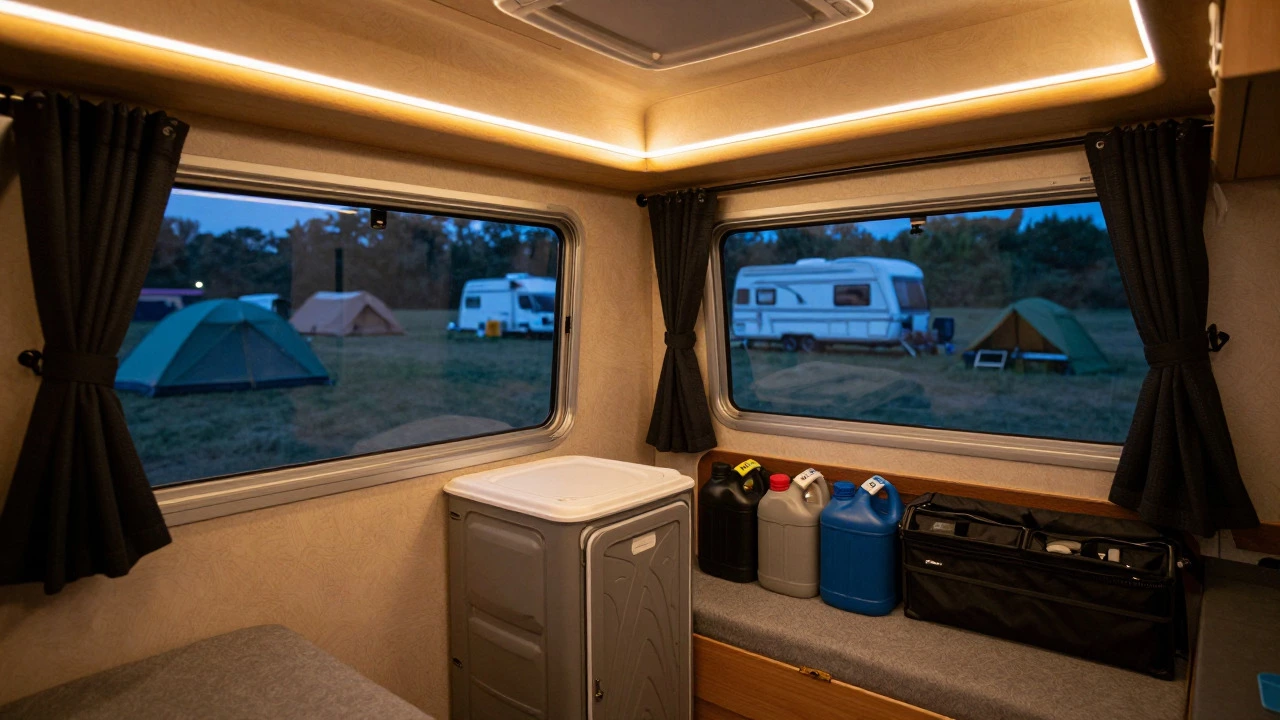
- Portable Toilet: Essential for wild camping. Brands like Thetford or Chemical John offer compact solutions.
- Water Carrier: Carry extra fresh water in jerry cans so you don't need to refill frequently in public spaces.
- Grey Water Container: Store sink water until you can dispose of it properly at a campsite.
- Blackout Curtains: Protect your privacy and reduce light pollution visible from outside.
- GPS App: Apps like Park4Night or Camperwatch help you find legal parking spots and user reviews of wild camping locations.
Final Thoughts: Respect Is Key
Can you sleep in a camper in the UK? Yes, but not everywhere. The key is understanding the difference between a legal right (in Scotland) and a tolerated privilege (in England and Wales). By respecting landowners, following local bylaws, and leaving no trace, you keep the doors open for future travelers. The UK offers breathtaking landscapes, from the Lake District to the Scottish Highlands. With the right knowledge and attitude, your camper can be your ticket to experiencing them all, responsibly.
Is it illegal to sleep in your car in the UK?
It depends on where you are. In Scotland, it is generally legal under the Right to Roam. In England and Wales, it is not strictly illegal to sleep in your vehicle, but parking overnight on private land without permission is trespassing. Additionally, many local councils have bylaws banning overnight parking in specific areas, which can result in fines.
Can I wild camp in my camper van in England?
There is no legal right to wild camp in England. However, it is often tolerated if you do it discreetly, arrive late, leave early, stay for only one night, and leave no trace. Always seek permission from landowners if possible, and avoid areas with strict council bylaws.
What are the best apps for finding camper parking in the UK?
Popular apps include Park4Night, which has a large community database of parking spots and campsites, and PitchUp, which lists official campsites and farm stays. LoveCamperVan also provides useful information on legal parking and wild camping etiquette.
How much does it cost to wild camp in Scotland?
Wild camping in Scotland is free. However, you must follow the Scottish Outdoor Access Code. If you choose to stay at designated campsites or farm stays, costs will apply, typically ranging from £10 to £30 per night depending on facilities.
Can I park my camper in a supermarket car park overnight?
It varies by store. Many supermarkets in the UK have banned overnight parking due to local resident complaints. Always check with the store manager or look for signs prohibiting overnight stays. Some chains are more motorhome-friendly than others, but it is not guaranteed.