Campervan Value & Lifespan Calculator
Input Parameters
Results Analysis
Enter details to see your campervan's estimated value and lifespan potential.
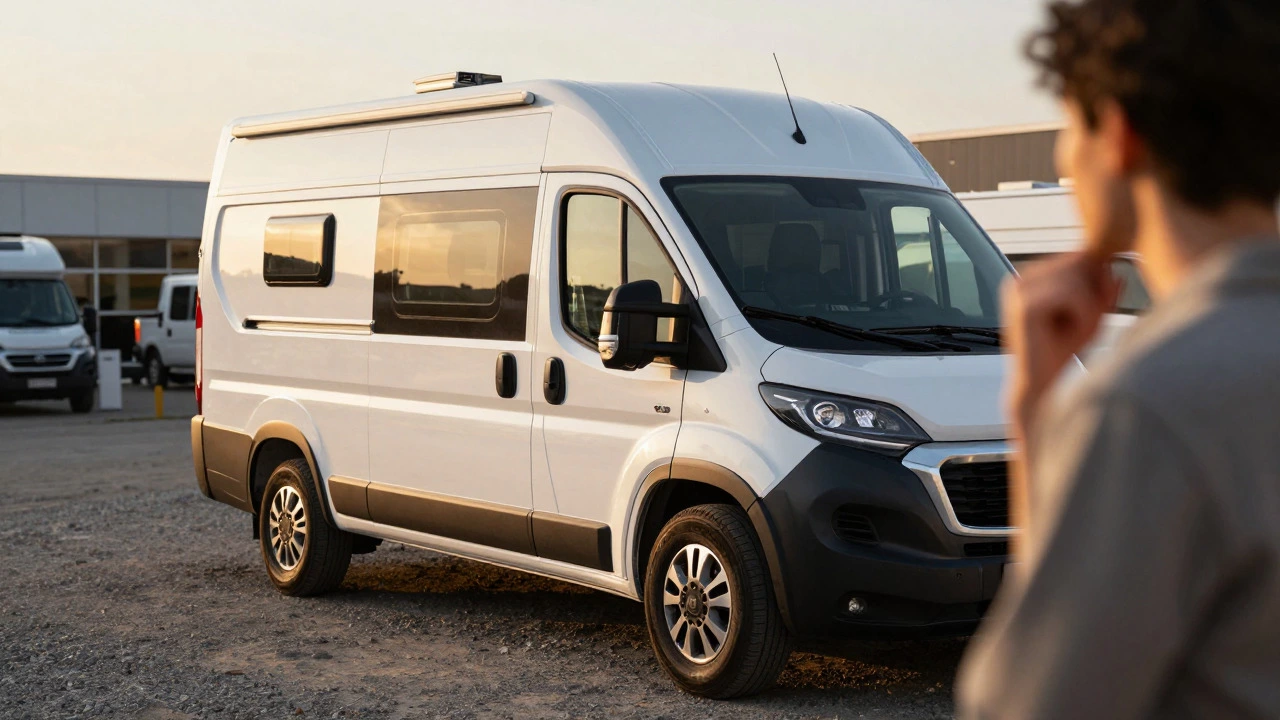
You stare at that shiny new campervan is a recreational vehicle designed for both transportation and temporary accommodation. in the dealership lot. It looks indestructible. But you know better than to trust appearances alone. The real question isn't just how much it costs today, but how long it will actually last before it becomes a money pit or a rusting heap on your driveway.
The short answer? A well-maintained campervan can easily hit 20 to 30 years of service. Some even go longer. But "well-maintained" is doing a lot of heavy lifting here. Without the right care, that same van might be struggling by year five. Understanding the lifespan involves looking at three distinct layers: the mechanical chassis, the living body, and the financial reality of ownership.
The Mechanical Backbone: Chassis and Engine Life
Think of your campervan as two vehicles in one. There’s the driving part-the chassis-and the living part-the conversion. The chassis is usually built on a standard commercial van platform, like the Ford Transit is a light commercial van produced by Ford Motor Company since 1965., the Mercedes-Benz Sprinter is a light commercial van manufactured by Mercedes-Benz Vans., or the Volkswagen Crafter. These are workhorses. They are engineered to haul freight across continents, not just carry you to the nearest lake.
If you treat the engine and transmission with respect, they can last anywhere from 200,000 to 300,000 miles. That’s not a guess; it’s based on fleet data from delivery companies that run these exact chassis daily. However, a campervan puts different stresses on the engine compared to a delivery truck. You’re carrying dead weight (the furniture) when you aren’t moving, and you’re often starting and stopping in rough terrain. This means regular oil changes aren’t optional-they are mandatory. Skipping them is the fastest way to cut your engine’s life in half.
Diesel engines generally outlast petrol ones in this class due to higher torque and durability under load. If you buy a used diesel model with high mileage but full service history, you are often getting more life than a low-mileage petrol model with neglected maintenance.
The Living Quarters: Where Water Wins
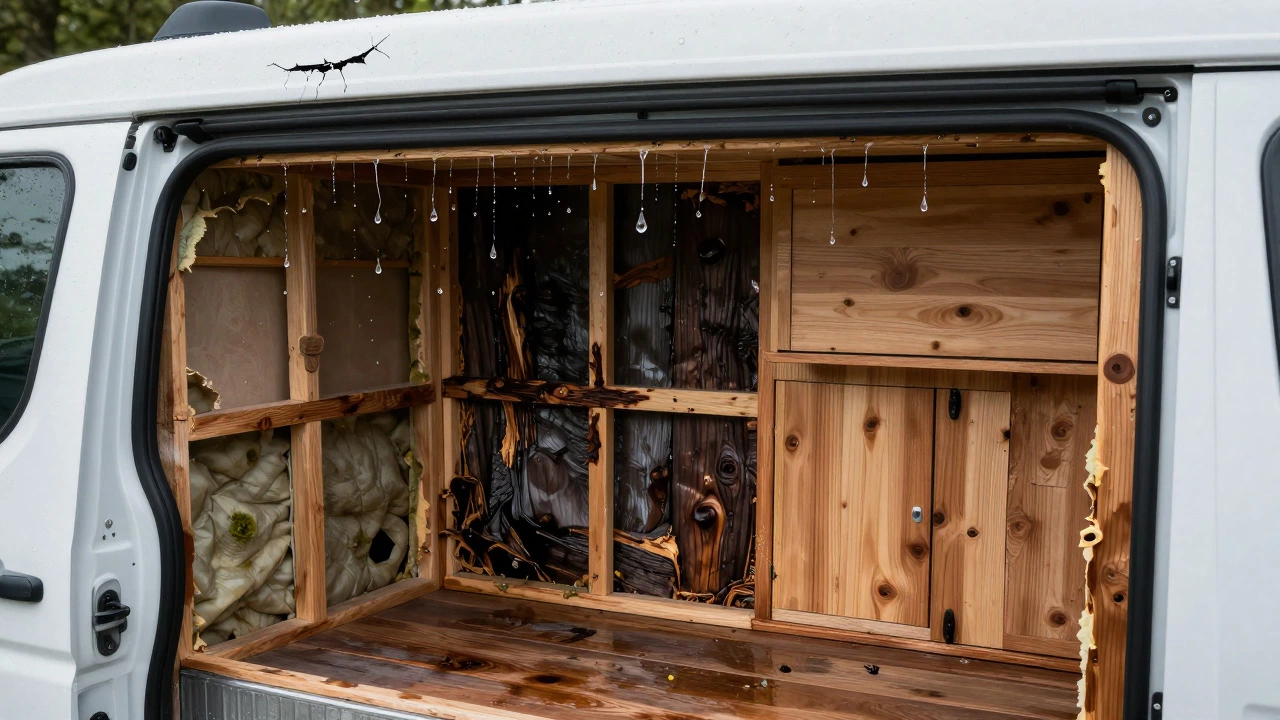
This is where most people get it wrong. The engine might be fine, but the living area is rotting away. The biggest enemy of a campervan’s lifespan is water ingress. It sounds simple, but it’s devastating. Rain gets in through window seals, roof vents, or cracked fiberglass. Once inside, it soaks into the wood framing and insulation.
You won’t see the damage immediately. It hides behind the cabinets and under the floorboards. By the time you notice soft spots in the floor or a musty smell, the structural integrity of the living space is compromised. Repairing severe water damage can cost thousands-sometimes more than the van is worth.
To maximize the lifespan of the living quarters:
- Check seals annually: Inspect all window and door rubber seals. Replace them every 5-7 years regardless of condition.
- Ventilate aggressively: Cooking and breathing create moisture. Use extractor fans and open windows whenever possible to prevent condensation buildup.
- Roof maintenance: Clean the roof twice a year. Debris holds moisture against the surface, leading to leaks over time.
Fiberglass bodies tend to hold up better than older wooden constructions if maintained properly. Aluminum-bodied vans are nearly immune to rust but can suffer from corrosion around rivets if not checked.
Financial Lifespan vs. Physical Lifespan
Just because a van *can* run for 30 years doesn’t mean it makes financial sense. Here is the hard truth about depreciation is the decrease in the value of an asset over time.. A new campervan loses about 20-30% of its value in the first year. After five years, you might have lost half of what you paid. After ten years, the curve flattens out significantly.
From a pure investment perspective, buying a 5-to-8-year-old model is often smarter. You let someone else take the massive initial hit. The physical components are still relatively new, but the financial bleeding has stopped. This is why many seasoned travelers prefer buying pre-owned models from reputable manufacturers like Hymer is a German manufacturer of caravans and motorhomes founded in 1964. or Eura Mobil is a German company specializing in the production of premium motorhomes.. Their build quality ensures that even after a decade, the interior remains functional and attractive.
| Age of Van | Expected Mileage | Major Risks | Maintenance Cost Level |
|---|---|---|---|
| 0-3 Years | 0 - 30,000 miles | Warranty issues, early defects | Low (covered by warranty) |
| 4-8 Years | 30,000 - 80,000 miles | Seal degradation, battery wear | Moderate |
| 9-15 Years | 80,000 - 150,000 miles | Transmission stress, water damage | High |
| 15+ Years | 150,000+ miles | Engine failure, structural rot | Very High / Risky |
Usage Patterns Dictate Longevity
How you use the van matters more than the brand name on the side. A van parked in a garage, driven only on weekends for local trips, will last decades. A van used for full-time nomadic living, parked outside in snow, heat, and salt air, will age much faster.
Salt is particularly destructive. If you live near the coast, road salt accelerates rust on the undercarriage and wheel arches. Regular underbody washes in winter are non-negotiable. Similarly, extreme heat can degrade plastics, seals, and adhesives used in the conversion. UV protection sprays on exterior surfaces can add several years to the cosmetic life of the vehicle.
Storage habits also play a huge role. Leaving a van sitting for months without running it drains the batteries and allows fluids to settle and leak. If you store it, disconnect the leisure battery, use a tire inflator to maintain pressure, and start the engine every few weeks to circulate oils.

When Is It Time to Let Go?
Knowing when to sell or scrap is part of managing the lifespan. Don’t wait until the van breaks down on a highway. Watch for these warning signs:
- Recurring electrical faults: Wiring harnesses in older vans can become brittle and short-circuit. Fixing intermittent electrical issues is often a rabbit hole with no bottom.
- Structural flex: If the floor feels spongy or the walls bow outward, the frame may be compromised. Safety comes first.
- Rising repair costs: If you spend more than $1,000 a year on repairs consistently, calculate whether renting or hiring a newer model would be cheaper.
- Failed emissions tests: In many regions, failing emissions means you can’t legally drive. Retrofitting older diesels to meet modern standards is often prohibitively expensive.
For those considering campervan hire is the practice of renting a recreational vehicle for short-term travel., understanding these lifespans helps you choose wisely. Rental companies typically retire their fleets after 5-7 years to avoid major repair costs. This means you’re likely driving a vehicle that is mechanically sound but past its prime resale value-a sweet spot for renters who want reliability without the long-term commitment.
Extending the Life: Pro Tips for Owners
You can squeeze extra years out of your investment with disciplined care. First, invest in a good quality leisure battery is a separate battery system used to power appliances in a campervan.. Lithium-ion batteries last longer and handle deep discharge better than traditional lead-acid types. Second, keep detailed records. A complete service history adds tangible value and proves to future buyers that the van was cared for.
Finally, don’t ignore small leaks. A dripping tap in the kitchen sink isn’t just annoying; it’s a sign that plumbing connections are loosening. Fix it now, or you’ll be replacing the entire cabinet later. Prevention is always cheaper than cure in the world of campervans.
What is the average lifespan of a campervan?
The average lifespan of a well-maintained campervan is between 20 and 30 years. However, the usable life depends heavily on maintenance. The mechanical chassis can last 200,000+ miles, but the living quarters may suffer from water damage earlier if seals are not maintained.
Do campervans lose value quickly?
Yes, campervans depreciate rapidly. Expect to lose 20-30% of the value in the first year and up to 50% after five years. After the first decade, depreciation slows down significantly, making older models a financially safer purchase for long-term owners.
What kills a campervan fastest?
Water ingress is the number one killer of campervans. Leaks from windows, roofs, or vents cause hidden rot in the wood structure. Neglecting regular seal checks and ventilation leads to costly structural repairs that often end the vehicle's life prematurely.
Is it better to buy a new or used campervan?
Buying a used campervan aged 5-8 years is often better financially. You avoid the steepest depreciation curve while still getting a vehicle with a strong mechanical backbone. Ensure it has a full service history and check thoroughly for water damage before purchasing.
How does storage affect campervan lifespan?
Improper storage can shorten a campervan's life. Leaving it idle for long periods drains batteries and causes fluid leaks. Storing it outdoors exposes it to UV damage and weather extremes. Ideal storage is indoors, with the battery disconnected and tires inflated to proper pressure.