Motorhome Age & Maintenance Cost Estimator
Input Vehicle Details
Analysis Results
Key Inspection Focus Areas
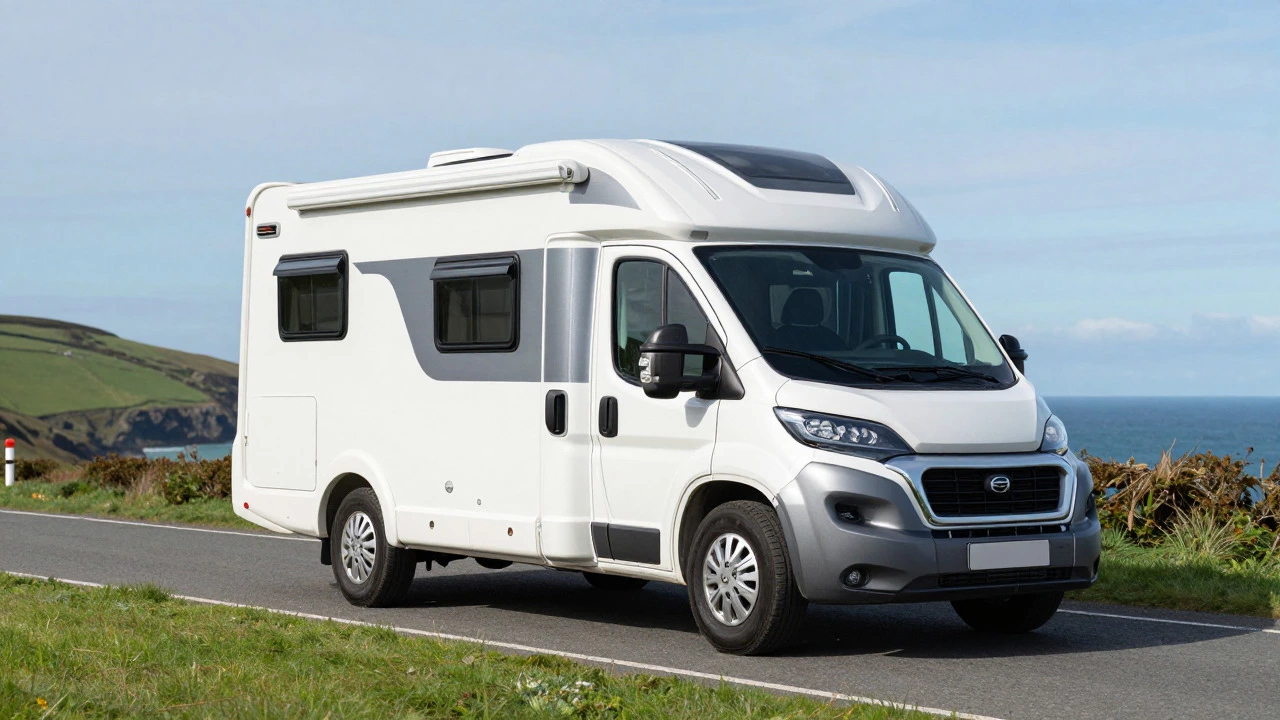
There is no single magic number for the age of a motorhome you should buy. However, most experienced owners and mechanics agree that the "sweet spot" lies between 3 and 7 years old. This window balances modern features and safety standards with a price point that has already absorbed the steepest part of the depreciation curve. If you are looking to rent or buy, understanding the mechanical lifespan versus the cosmetic lifespan is critical to avoiding expensive surprises down the road.
Why Age Matters More Than Mileage
In the world of motorhomes is self-contained vehicles designed for travel and living, combining transportation with accommodation facilities., time is often a harsher master than distance. While a car engine might last 200,000 miles, a motorhome’s rubber seals, plastic fittings, and electronic components degrade simply by sitting in a garage or on a driveway. This is known as "calendar aging." Even if a unit has only 10,000 miles on it, if it is 15 years old, the plumbing lines may be brittle, the battery connections corroded, and the tires flat-spotted from long-term storage.
When evaluating a potential purchase, look at the date of manufacture first, then the mileage. A low-mileage, high-age vehicle requires a more rigorous inspection than a higher-mileage, younger vehicle because the latter has likely been maintained through regular use rather than neglect.
The 3-to-7 Year Sweet Spot
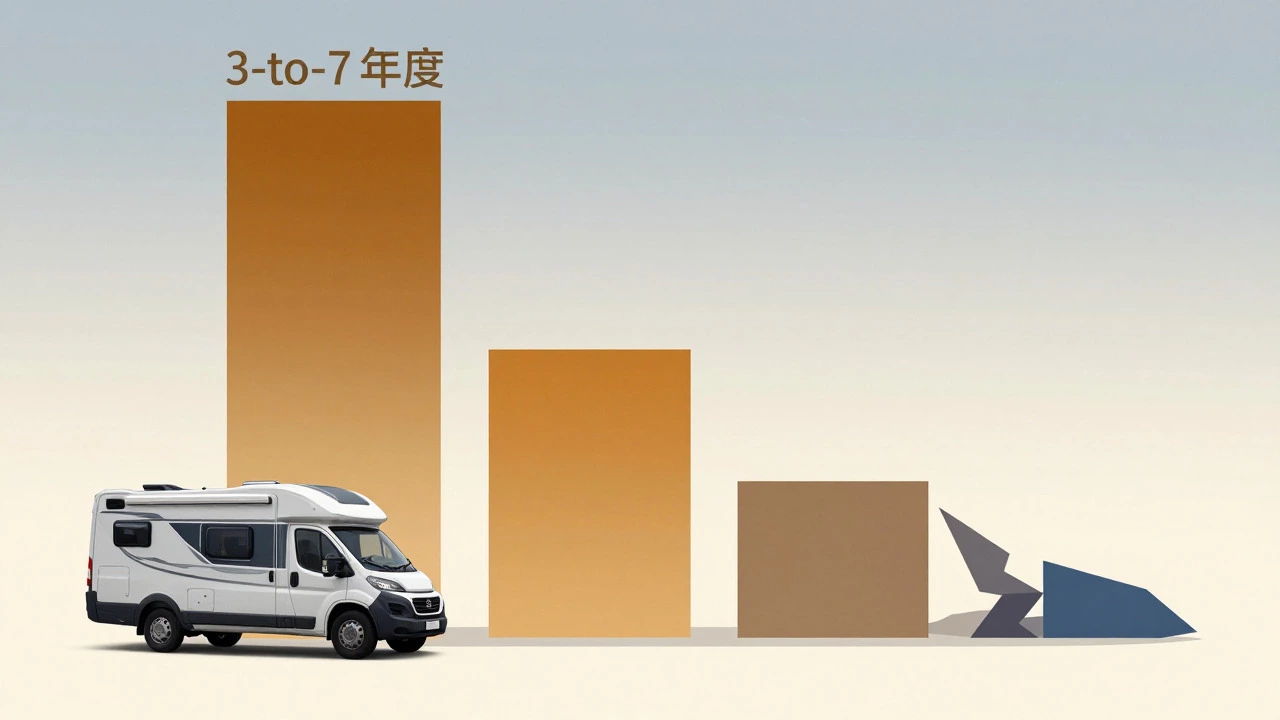
Buying a motorhome that is 3 to 7 years old offers several distinct advantages. By year three, the initial drop in value-which can be as high as 20-30% in the first two years-has largely stabilized. You are essentially buying into a vehicle that has been broken in, where major manufacturing defects have already surfaced and been fixed by the original owner or dealer.
- Technology Balance: Units from this era typically have reliable Bluetooth connectivity, basic GPS integration, and modern lighting, but they avoid the complex, glitch-prone touchscreen systems found in brand-new models that often require frequent software updates.
- Parts Availability: Components for 5-year-old models are still widely available from both OEM (Original Equipment Manufacturer) sources and third-party suppliers. Once a model line is discontinued, finding specific trim pieces or electronics can become difficult and expensive.
- Warranty Residuals: Some manufacturers offer limited warranties that extend beyond the first few years, providing a safety net for major structural issues.
Risks of Buying Older Than 10 Years
Once a motorhome crosses the 10-year mark, you enter a different risk category. The primary concern here is the condition of the sealing system is the network of rubber gaskets and adhesives that prevent water intrusion in the roof, windows, and slide-outs.. Water damage is the silent killer of motorhomes. In older units, these seals dry out and crack, allowing moisture to seep into the substrate. This leads to mold, rotting wood, and delaminating fiberglass, repairs which can cost thousands of dollars.
Additionally, the electrical systems in pre-2015 models may not handle the load of modern appliances like induction cooktops or large inverter chargers without upgrades. If you are considering an older unit, budget for a comprehensive rewiring and re-sealing project immediately after purchase.
Maintenance Costs by Age Bracket
To help you visualize the financial commitment, consider the typical annual maintenance costs associated with different age brackets. These figures are estimates based on average repair frequencies in the Australian market.
| Age Bracket | Avg. Annual Cost (AUD) | Common Issues |
|---|---|---|
| 0-3 Years | $500 - $1,000 | Tire rotation, filter changes, minor cosmetic fixes |
| 4-7 Years | $1,500 - $3,000 | Battery replacement, sealant refresh, brake service |
| 8-12 Years | $3,000 - $6,000 | Roof resealing, appliance upgrades, transmission fluid |
| 13+ Years | $5,000+ | Structural repairs, full electrical overhaul, chassis work |
Note that these costs assume the vehicle was well-maintained. A neglected 5-year-old unit could easily cost more to fix than a well-cared-for 10-year-old one. Always inspect the service history booklets.
Key Inspection Points Based on Age
Your inspection strategy should change depending on the age of the unit. Here is what to focus on:
- For Vehicles Under 5 Years: Check for warranty coverage status. Inspect the interior for signs of heavy usage, such as worn carpets or scratched countertops. Verify that all digital displays and sensors are functioning correctly, as early software bugs can be persistent.
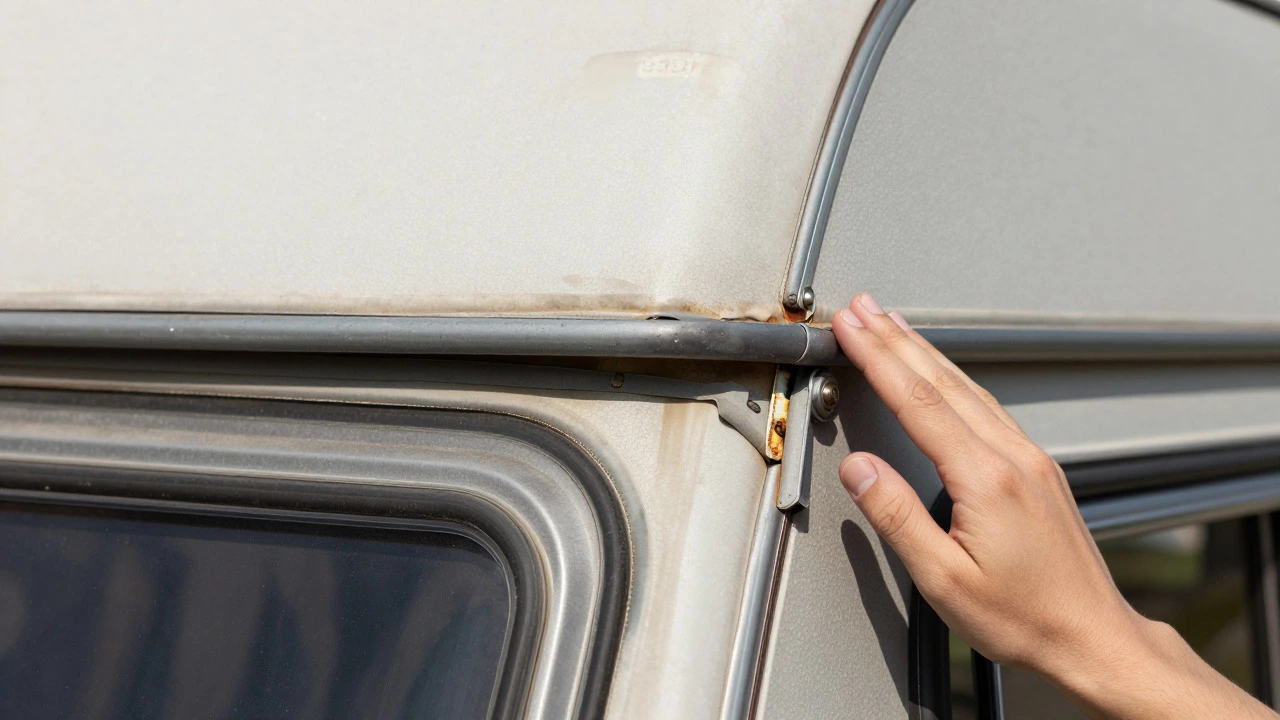
- For Vehicles 5-10 Years: Focus heavily on the exterior seals. Run your hand along the roof edges and window frames to check for hardening or cracking. Test all slide-outs to ensure they move smoothly without binding. Check the condition of the tires; even if they look fine, replace them if they are over 6 years old regardless of tread depth.
- For Vehicles Over 10 Years: Assume something is wrong until proven otherwise. Bring a professional mechanic who specializes in RVs. Check for rust on the chassis, especially if the vehicle was stored outdoors in coastal areas like Sydney. Inspect the holding tanks for cracks, as plastic becomes brittle over time.
Resale Value Considerations
If you plan to sell the motorhome in a few years, buying a 5-7 year old unit allows you to hold onto its value longer. Newer models depreciate rapidly, while very old models lose value slowly but are harder to sell due to buyer hesitation regarding hidden defects. The mid-range age bracket appeals to the largest pool of buyers: those who want a reliable, ready-to-use vehicle without paying new-car prices.
Frequently Asked Questions
Is it better to buy a new or used motorhome?
It depends on your budget and risk tolerance. New motorhomes offer full warranty and latest tech but suffer steep immediate depreciation. Used motorhomes (3-7 years old) offer better value for money and lower upfront costs, provided they have been well-maintained. For most buyers, a 5-year-old unit provides the best balance of reliability and affordability.
What is the maximum age of a motorhome I should consider buying?
There is no hard limit, but 10-12 years is generally considered the threshold where major refurbishment costs begin to outweigh the savings. If you are mechanically inclined and willing to invest in a full renovation, older units can be great projects. For casual users, staying under 10 years is safer to avoid unexpected structural failures.
Does mileage matter more than age for a motorhome?
No, age usually matters more. Unlike cars, motorhomes spend a lot of time stationary. Rubber seals, batteries, and plastics degrade with time (calendar aging) even if the vehicle isn't driven. A 15-year-old motorhome with 5,000 miles may have worse seals and tires than a 5-year-old motorhome with 50,000 miles.
How much should I budget for repairs when buying a used motorhome?
As a rule of thumb, set aside 10-15% of the purchase price for immediate repairs and maintenance in the first year. This covers common items like tire replacement, battery swaps, and sealant touch-ups. For vehicles over 10 years old, consider increasing this buffer to 20% to account for potential plumbing or electrical upgrades.
Are diesel motorhomes better for longevity than petrol?
Diesel engines generally have longer lifespans and better torque for towing, which can contribute to the overall durability of the chassis. However, diesel fuel systems are more complex and expensive to repair if they fail. Petrol engines are cheaper to maintain initially but may wear out faster under heavy loads. Choose based on your driving habits and local fuel availability.