Dispersed Camping Legality Checker
Select your destination type to see general legality guidelines and critical restrictions. Remember: Always verify with local ranger stations before setting up camp.
You’ve seen those Instagram shots of someone parked next to a pristine lake with no other souls in sight. No fees, no reservations, just you and nature. It looks like freedom, but is it actually legal to park your rig or pitch a tent there? The short answer is yes, but with a massive asterisk. In the United States, free camping, often called dispersed camping or boondocking, is legal on many public lands managed by federal agencies. However, "legal" doesn't mean "unregulated." You need to know where you are, how long you can stay, and what rules apply to your specific spot.
The Short Answer: Where Can You Actually Camp for Free?
Most people assume all land outside a city is fair game. That’s a dangerous assumption that can lead to hefty fines. The key distinction lies in who owns the land. If it’s private property, you need permission. If it’s state or federal public land, you generally have rights, provided you follow the guidelines.
Dispersed camping is defined as camping outside of designated campgrounds. There are no amenities-no toilets, no water spigots, no fire rings. You bring everything in, and you take everything out. This type of camping is primarily permitted on land managed by the Bureau of Land Management (BLM) and the US Forest Service (USFS). These two agencies oversee hundreds of millions of acres across the West and parts of the East.
Here is the reality check: while the law permits it, local ordinances might not. Some counties have passed "anti-camping" laws restricting overnight parking on public roads or trails, even if the adjacent land is federal. Always check local signage before you settle in for the night.
Federal Lands: BLM vs. National Forests
Not all public lands are created equal when it comes to free camping. The rules differ significantly between the Bureau of Land Management and the US Forest Service. Understanding this difference saves you from getting a ticket.
| Agency | Primary Region | Stay Limit | Key Rules |
|---|---|---|---|
| Bureau of Land Management (BLM) | Western US (Nevada, Utah, Oregon, etc.) | 14 nights within 28 days | No developed facilities; must move 5 miles after limit |
| US Forest Service (USFS) | Nationwide (heavy in Rockies, Pacific NW) | 16 nights within 30 days (varies by forest) | Often restricted near trailheads and lakes; fire bans common |
| National Parks | Nationwide | Rarely free | Backcountry permits usually required; front-country costs money |
The Bureau of Land Management manages more land than any other agency, mostly in the arid West. Their stance is generally more permissive. You can typically drive off-road onto established tracks and set up camp, provided you aren't blocking access or damaging vegetation. The 14-day rule is strict: once you hit day 14, you must move at least five miles away before you can return to the same area.
US Forest Service lands are trickier. While dispersed camping is allowed, individual forests have their own "Special Use Permits" and restrictions. For example, in many Colorado forests, you cannot camp within 100 feet of a lake or stream to protect water quality. In California, fire danger levels might close entire sections of forest to camping during summer months.
State and County Public Lands
If you’re east of the Mississippi, federal land is scarce. This is where state parks and county forests come into play. Unlike the West, where vast tracts of land remain under federal control, the East is heavily privately owned. State parks almost always charge fees. However, some states offer free camping options.
In Pennsylvania, for instance, the Pennsylvania Game Commission allows hunting-related camping on Wildlife Management Areas (WMAs) for free, though general recreational camping might require a permit. Similarly, in Texas, certain wildlife management areas allow primitive camping for a small fee or free, depending on the site.
County parks are a mixed bag. Some offer first-come, first-served primitive sites for free. Others are strictly day-use only. Your best bet here is to call the local ranger station or check the county website specifically for "primitive camping" or "backcountry camping" policies. Don’t assume a dirt road leading into a county forest means you can sleep there.
The Golden Rule: Leave No Trace
Just because it’s legal doesn’t mean you can do whatever you want. The privilege of free camping comes with the responsibility of Leave No Trace principles. This isn’t just etiquette; it’s often codified in local regulations.
- Waste: You must pack out all trash. Human waste needs to be buried in a cathole 6-8 inches deep, at least 200 feet from water sources. RV users must dump black and gray tanks at designated stations, never on the ground.
- Fire: Check current fire bans. During high-risk seasons, even a camp stove might be prohibited. If fires are allowed, use existing fire rings if available. Never cut live trees for firewood.
- Impact: Park on durable surfaces like gravel, sand, or established dirt pads. Avoid driving through meadows or wetlands. Your tire tracks last longer than you think.
Violating these rules can result in fines ranging from $50 to several hundred dollars. More importantly, bad behavior leads to closures. When people leave trash behind or dig trenches for drainage, agencies often revoke free camping privileges in those areas.
How to Find Legal Spots Before You Go
Guessing is expensive. Use digital tools to verify legality before you burn gas. Here are the most reliable resources used by experienced boondockers:
- iOverlander: A crowdsourced app where users mark spots they’ve stayed. Look for reviews mentioning "quiet," "legal," or "ranger friendly." Be cautious: user reports can become outdated.
- Freecampsites.net: Similar to iOverlander but focused exclusively on free spots. Filter by "public land" to avoid private property disputes.
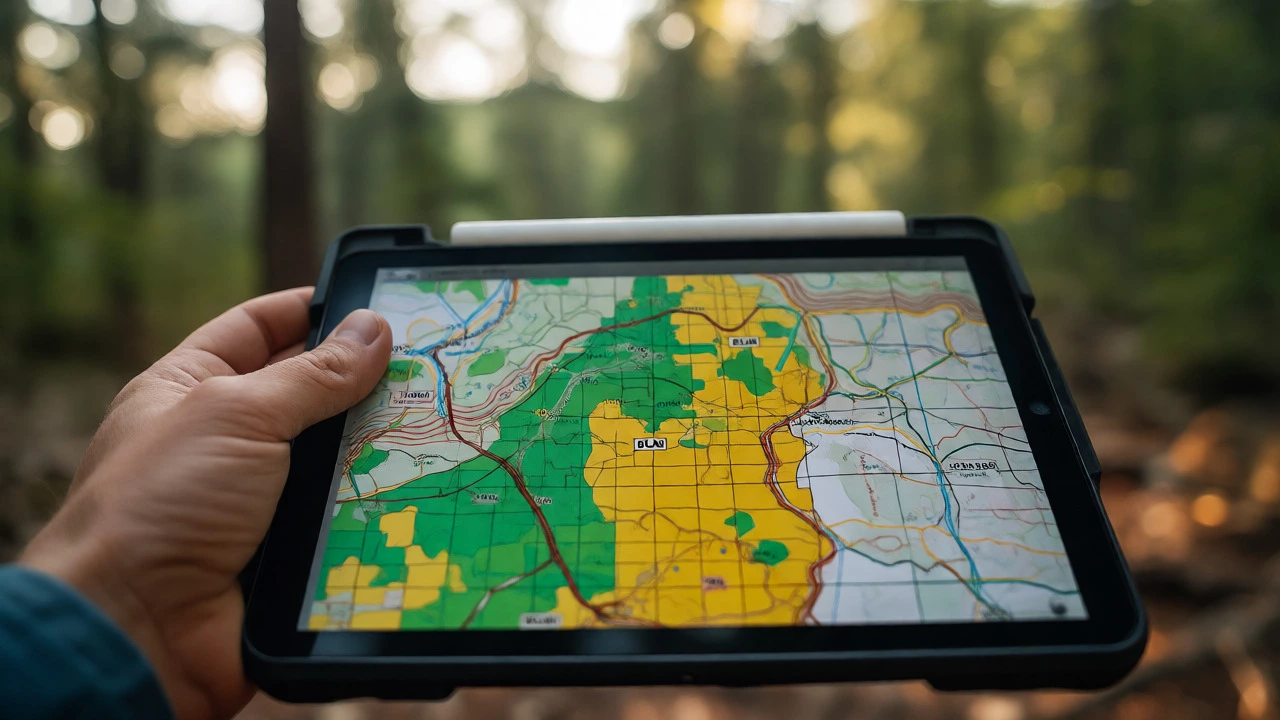
- OnX Hunt: Originally for hunters, this map shows precise land ownership boundaries. Green is often national forest, yellow is BLM, red is private. Seeing the color change tells you if you’re crossing into restricted territory.
- Avenza Maps: Allows you to download offline topographic maps. Overlay these with land ownership data to see exactly where you stand.
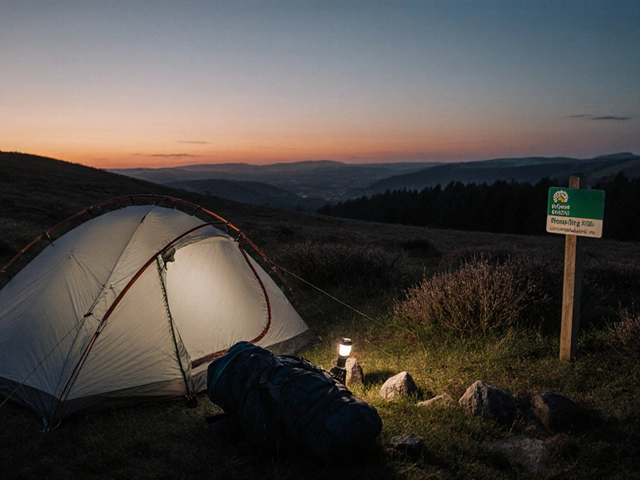
Pro tip: When you arrive, look for signs. A sign saying "No Overnight Parking" applies to the road, not necessarily the adjacent land. But a sign saying "Closed Area" or "Wilderness Area" means no camping at all. Wilderness areas prohibit mechanized transport, including cars and bikes, so you’d need to hike in.
Common Pitfalls and Fines
Even seasoned campers get caught out. The most common mistake is staying too long. Rangers patrol popular areas regularly. If you’re there on day 17 of a 14-day limit, expect a ticket. Another issue is "stealth camping" in urban fringe areas. Parking an RV on a residential street overnight might be tolerated in some cities but explicitly banned in others. Always read the posted municipal code.
Also, beware of "private land traps." Many remote-looking parcels are owned by logging companies or large ranches. Without clear fencing or signage, it’s easy to wander onto private property. If asked to leave, do so immediately. Arguing rarely helps, and trespassing charges add up.
Can I camp anywhere in a National Park?
No. Most National Parks require camping in designated campgrounds with a fee. Free camping is rare and usually limited to backcountry hiking trips requiring a permit. Front-country car camping almost always costs money.
What is the difference between boondocking and dispersed camping?
They are essentially the same thing. Boondocking is slang for camping without hookups, often used by RVers. Dispersed camping is the official term used by federal agencies for camping outside developed sites. Both refer to free, primitive camping on public land.
Do I need a permit for free camping?
Generally, no permit is needed for standard dispersed camping on BLM or USFS land. However, some wilderness areas, special recreation areas, or high-demand zones may require a self-issue permit or a paid reservation. Always check the specific ranger district website.
Can I build a campfire anywhere?
No. Fire bans are common during dry seasons. Even when fires are allowed, you must use dead and down wood found on the ground. Cutting live trees or bringing wood from far away can introduce invasive pests and is often illegal.
Is it safe to free camp alone?
It depends on the location. Popular dispersed sites tend to be safer due to foot traffic. Remote spots offer solitude but less security. Inform someone of your location and expected return time. Carrying a satellite communicator like Garmin inReach is wise for true off-grid safety.