England Beach Camping Legality Checker
Answer these questions to determine if your planned camping spot is likely legal or risky.
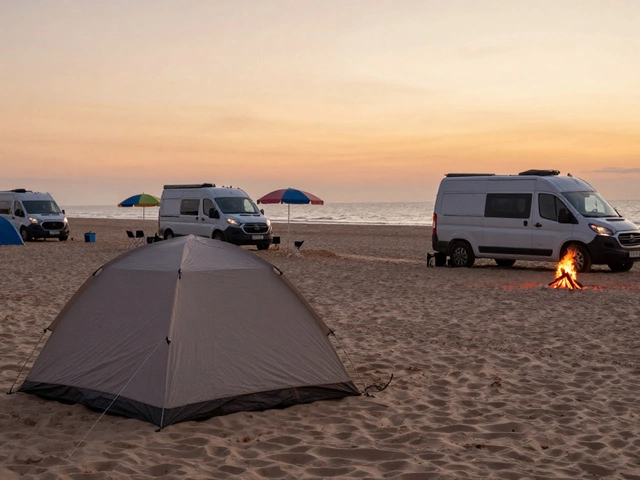
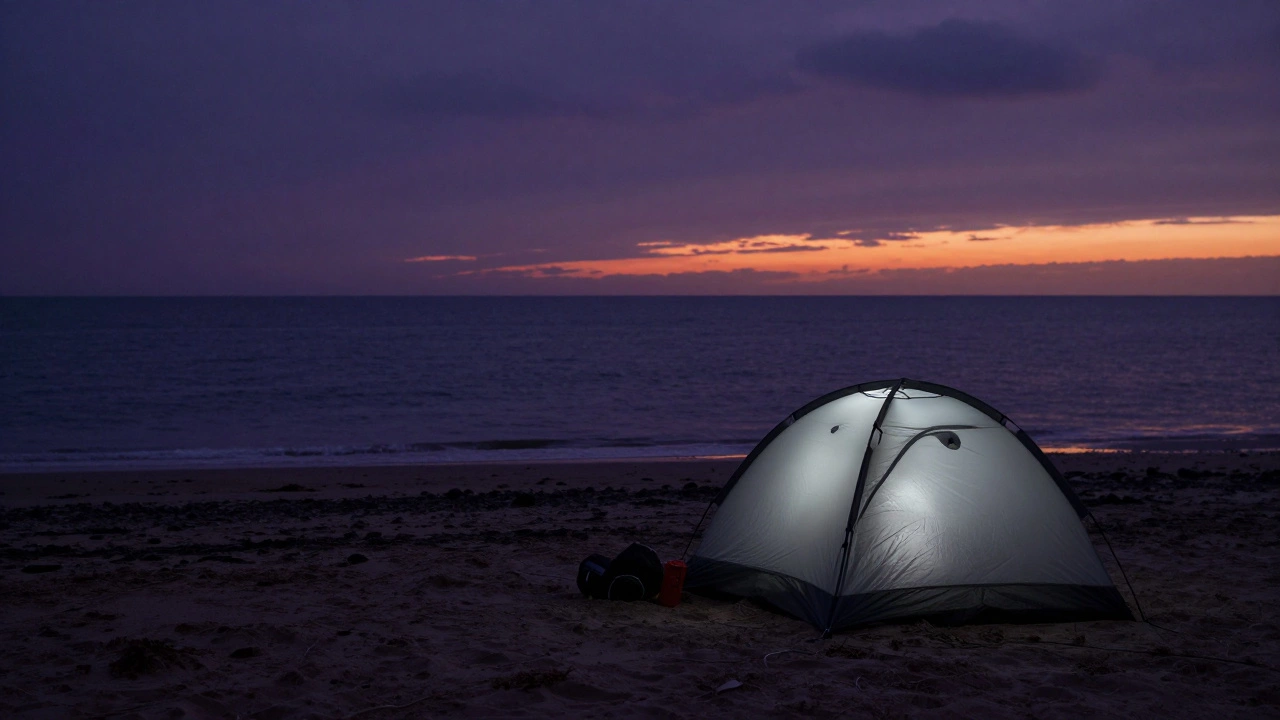
You’ve packed your tent, loaded the car, and driven down to a stunning stretch of coastline. The sun is setting, the sand looks inviting, and you’re ready to wake up to the sound of waves. But before you pitch that peg, there’s a critical question hanging over your head: Is it actually legal to camp here?
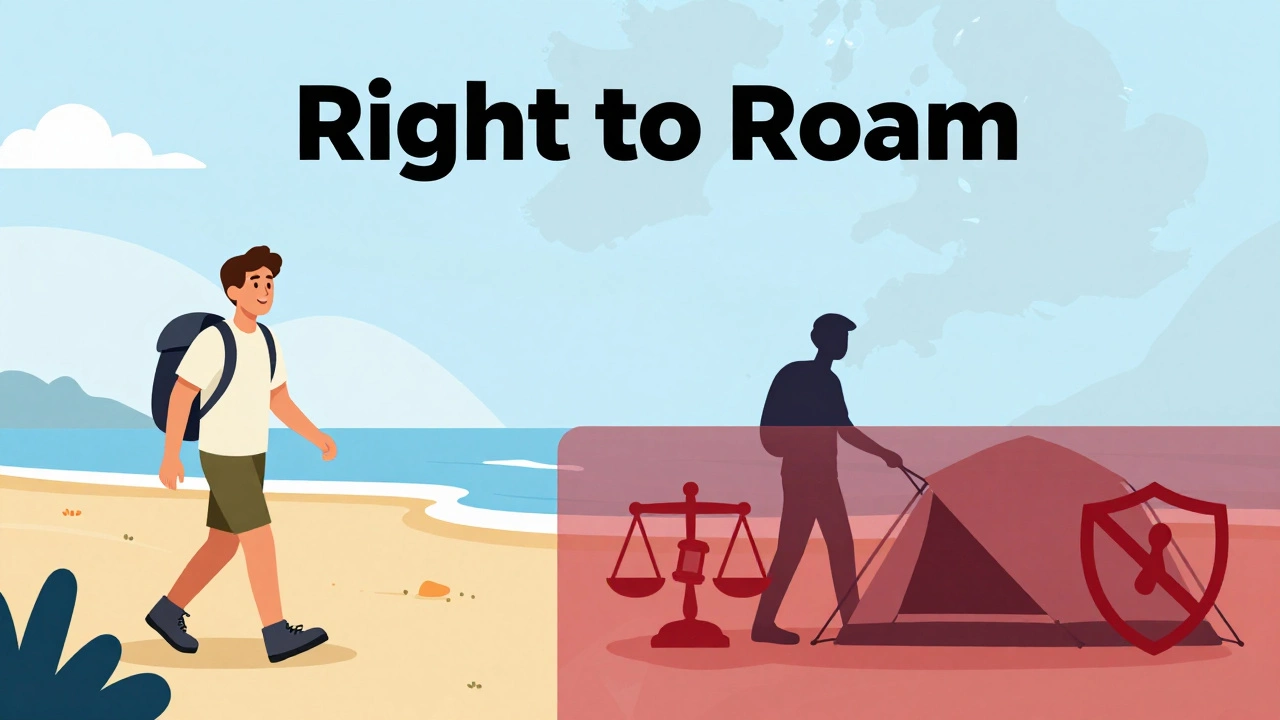
The short answer is complicated. In England, the right to roam does not automatically include the right to sleep. While you might have legal access to walk along the beach, pitching a tent overnight often falls into a gray area-or straight into illegal territory-depending on local bylaws, land ownership, and seasonal restrictions.
Getting this wrong can lead to fines, eviction, or being banned from future visits. This guide breaks down exactly where you can legally set up camp, what the laws say about "right to roam," and how to find designated spots without risking a confrontation with local authorities.
The Myth of the Right to Roam
Many people confuse the Countryside and Rights of Way Act 2000, commonly known as CRoW, with a blanket permission to camp anywhere. This act gave English citizens the right to access certain types of open land for recreation. However, it explicitly excludes camping. You can walk, run, picnic, and enjoy the view, but sleeping overnight is not included in these rights.
In fact, the Act specifically states that landowners retain the right to exclude camping if they wish. Most coastal landowners, including local councils and private estates, do exercise this exclusion. So, while you may legally stand on that patch of sand during the day, staying there after dark changes the legal dynamic entirely. If you are found camping on land covered by CRoW without permission, you can be asked to leave, and refusing constitutes trespassing.
Local Bylaws: The Real Rulebook
If national law doesn’t give you permission, local laws usually take it away. Almost every coastal town and city in England has specific bylaws governing public behavior on beaches. These are enforced by local councils and police forces.
Common prohibitions found in these bylaws include:
- No overnight camping: Explicit bans on pitching tents or sleeping vehicles between certain hours (often 11 PM to 7 AM).
- No fires: Lighting fires on the sand is almost universally banned due to fire risks and environmental damage.
- No alcohol consumption: Many popular beaches have alcohol-free zones to maintain order.
- Littering penalties: Leaving any trace of your stay can result in fixed penalty notices.
For example, in Brighton, strict bylaws prohibit camping on the seafront promenade and beach areas to protect the urban environment. Similarly, Cornwall Council enforces rules against wild camping on its beaches to preserve the natural habitat and manage waste. Ignorance of these local rules is not a defense; if you get caught, you will likely receive a warning or a fine.
Private Ownership vs. Public Access
A significant portion of England’s coastline is privately owned. Even if the beach itself is accessible to the public under the Coastal Access Act 2009, the dunes, cliffs, and adjacent lands often belong to private individuals, hotels, or conservation trusts.
Trespassing on private land is a civil matter, not a criminal one, unless you cause damage or refuse to leave when asked. However, many private owners install fencing, signage, or employ security patrols to deter campers. Pitching a tent on private property without consent is technically trespass. While you might not be arrested immediately, you can be removed, and repeated offenses can lead to legal action for damages or injunctions.
Always look for signs. If a sign says "Private Property" or "No Camping," respect it. The risk of conflict isn't worth the cost of a night's sleep.
Designated Beach Campsites: The Safe Bet
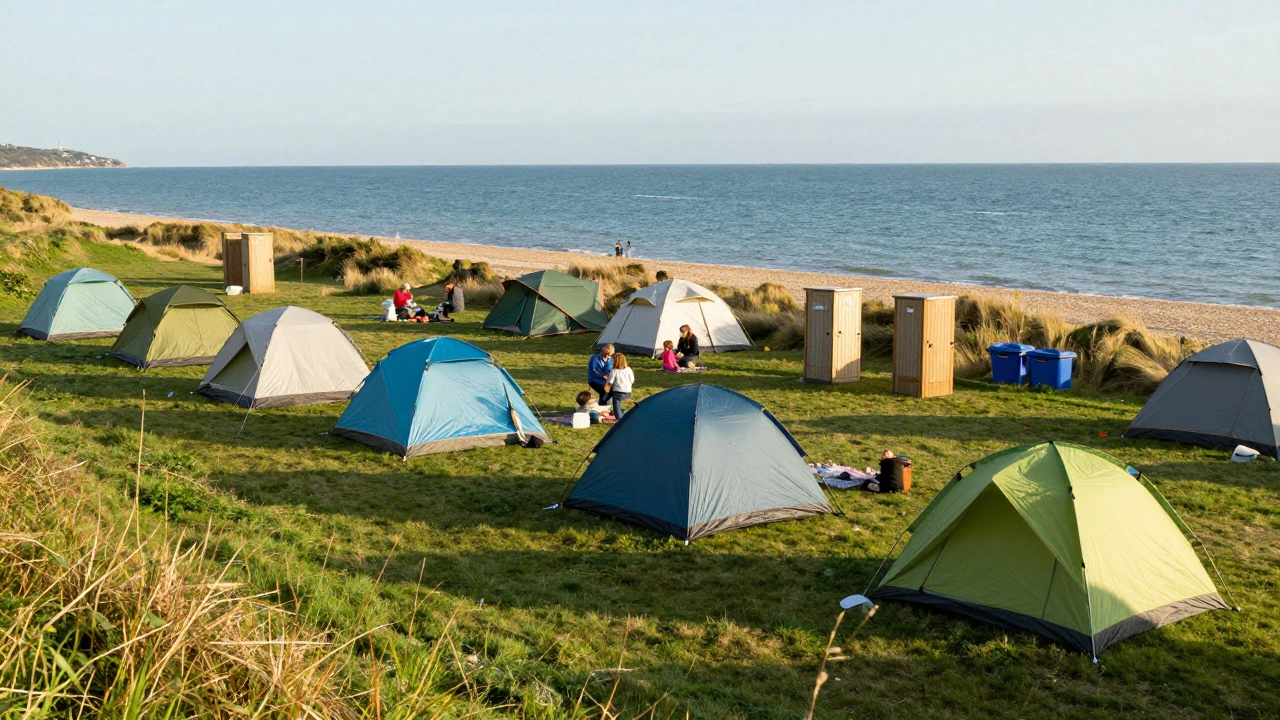
If you want to camp by the sea legally and comfortably, your best option is to book a spot at a designated beach campsite. These sites operate under licenses from local authorities and provide infrastructure like toilets, water points, and waste disposal.
Benefits of using official campsites include:
- Legal certainty: You have explicit permission to be there.
- Amenities: Access to showers, kitchens, and electricity hookups.
- Safety: Sites are monitored, and you’re less likely to encounter issues with wildlife or weather exposure.
- Community: Meet other travelers and share tips about the local area.
Popular regions like Devon, Sussex, and East Anglia have numerous high-quality beach campsites. Booking in advance is crucial, especially during summer months (June to August), as spots fill up weeks ahead. Prices vary, but expect to pay between £15 and £30 per night for a pitch, depending on location and facilities.
| Feature | Wild Beach Camping | Designated Campsite |
|---|---|---|
| Legality | Risky/Illegal in most places | Fully Legal |
| Cost | Free (but potential fines) | £15-£30 per night |
| Amenities | None | Toilets, Water, Showers |
| Safety | Low (unmonitored) | High (staffed) |
| Environmental Impact | High (if not managed) | Controlled |
Special Cases: Permits and Exceptions
Are there any exceptions? Yes, but they are rare and require prior arrangement. Some National Trust properties or local councils may issue temporary permits for organized events or educational groups. Individual travelers rarely qualify for these.
Another exception involves "dispersed camping" in remote areas where enforcement is practically non-existent. However, this is risky. Just because no one stops you doesn’t mean it’s legal. Moreover, leaving traces of your stay in sensitive ecosystems can cause long-term damage, which is why Leave No Trace principles are essential even if you choose to break the rules (which we don’t recommend).
Environmental Considerations
Beyond legality, consider the impact on the environment. Coastal habitats are fragile. Dune systems, bird nesting grounds, and marine life can be easily disturbed by human activity. Trampling vegetation leads to erosion, and leftover waste harms wildlife.
Even if you find a secluded spot that seems empty, ask yourself: Is it sustainable? Will my presence degrade this place for others? Responsible camping means minimizing your footprint. If you must go wild, stick to durable surfaces like rock or hard-packed sand, avoid vegetation, and pack out everything you bring in.
Alternatives to Beach Camping
If wild beach camping feels too risky or restricted, consider these legal alternatives:
- Forest Campsites: Often cheaper and more relaxed than beach sites, with plenty of shade and tranquility.
- Glamping: For those who want the seaside view without the hassle of pitching a tent.
- Caravan Parks: Ideal for families or longer stays, offering stability and community.
- Wild Camping in Scotland: If you’re willing to travel north, Scotland’s Land Reform Act 2003 allows responsible wild camping almost anywhere, including near coasts.
Each option offers a different experience. Forests provide peace, glamping adds luxury, and Scottish wild camping offers freedom. Choose based on your priorities: convenience, budget, or adventure.
How to Check Local Rules Before You Go
Before planning your trip, do your homework. Here’s how to verify if camping is allowed:
- Visit the Local Council Website: Search for “[Town Name] council beach bylaws.” Look for sections on camping, sleeping rough, or public spaces.
- Contact the Landowner: If the beach is part of a larger estate, try to find contact information for the owner or managing body.
- Check Online Forums: Platforms like TripAdvisor or dedicated camping forums often have recent reports from travelers about enforcement levels.
- Look for Signage: On arrival, scan for signs prohibiting camping. Their presence indicates active enforcement.
Being informed protects you from surprises and helps you plan a stress-free holiday.
Can I camp on any beach in England?
No, you cannot camp on just any beach. Most beaches in England have local bylaws that prohibit overnight camping. Always check with the local council or look for signage before pitching your tent.
What happens if I get caught wild camping on a beach?
You may be issued a warning, asked to leave immediately, or fined. Repeated offenses can lead to higher penalties or bans from the area. Police and local authority officers enforce these rules.
Does the Right to Roam allow camping?
No, the Countryside and Rights of Way Act 2000 grants access for walking and recreation but explicitly excludes camping. Landowners can restrict camping on their land even if it’s open to the public for daytime use.
Where can I legally camp near the coast in England?
You can legally camp at designated beach campsites, caravan parks, or glamping sites. These locations offer permission, amenities, and safety. Booking in advance is recommended, especially in peak season.
Is wild camping legal in Scotland compared to England?
Yes, wild camping is generally legal in Scotland under the Land Reform Act 2003, provided you follow responsible practices. This includes camping quietly, avoiding large groups, and leaving no trace. England does not have similar nationwide rights.