Florida Beach Camping Legality Checker
Select your destination and activity type to check local regulations and potential penalties.
Estimated Fine Risk
$0
*Fines vary by jurisdiction and enforcement discretion.Permit Required?
No
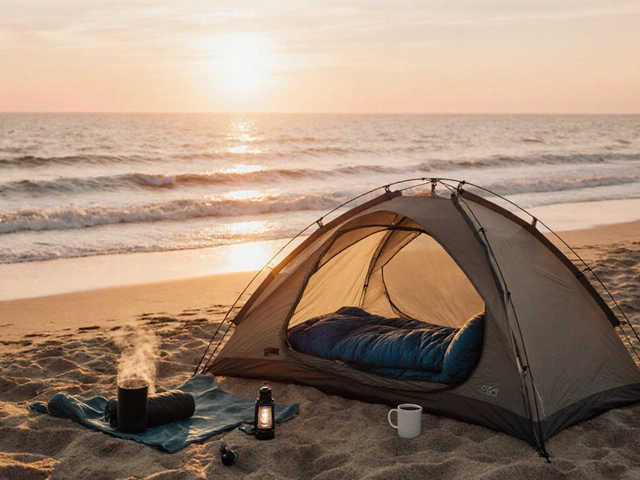
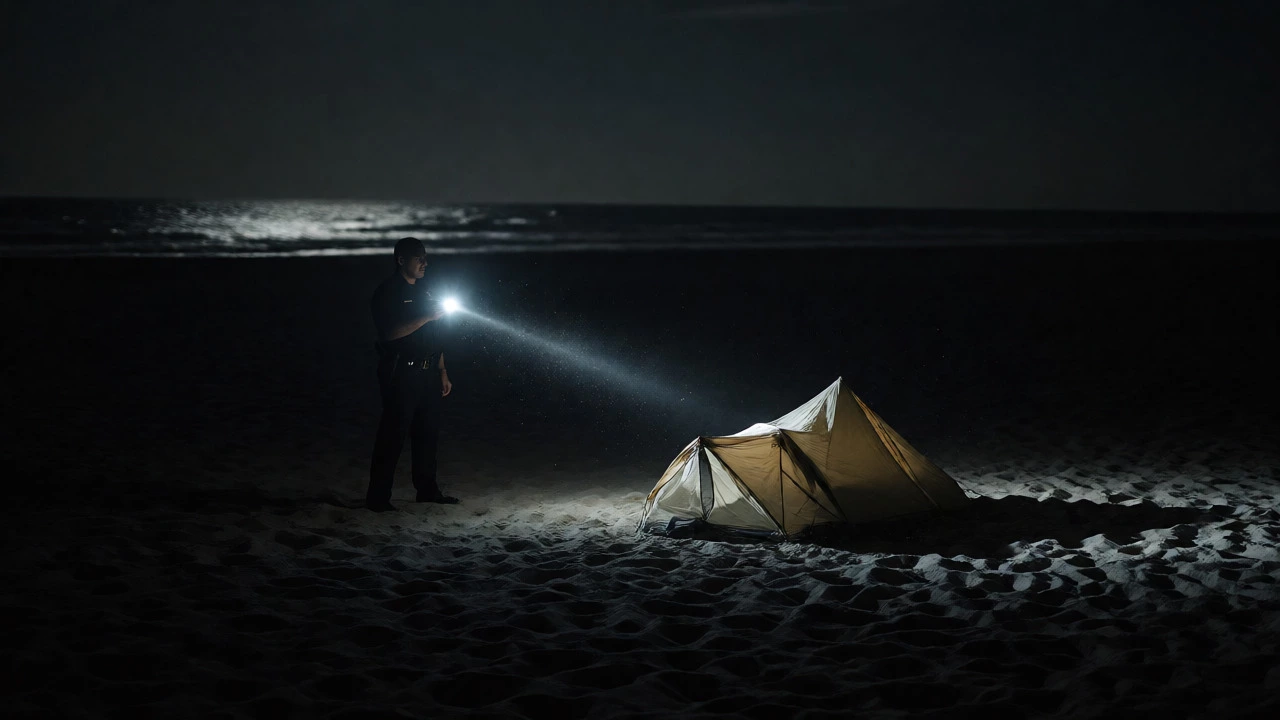
You’re driving down A1A, the sun dips below the horizon, and you spot a pristine stretch of sand. The vibe is perfect. You think, "I could just pitch a tent here for the night." But before you unzip your bag, there’s a question that stops many travelers cold: is it illegal to sleep on the beach in Florida? The short answer is yes, but with a massive asterisk. In most places, it’s strictly prohibited. However, specific zones allow it, and some counties have their own quirky rules. Getting this wrong can mean waking up to a flashlight in your face and a fine that ruins your vacation budget.
Living in Sydney, I’m used to beaches where you can often camp if you know the right spots. Florida is different. It’s heavily regulated, not because officials hate fun, but because they manage millions of tourists and fragile ecosystems. If you want to save money on hotels or just love the sound of waves as your lullaby, you need to know exactly where you can legally lay your head. This guide breaks down the state laws, local ordinances, and the few golden tickets that let you camp right on the sand.
The General Rule: No Camping on Most Florida Beaches
Let’s clear up the biggest misconception first. There is no single "Florida Law" that says you can never sleep on the sand. Instead, it’s a patchwork of state statutes and county ordinances. Generally speaking, Florida Statute 370.024 prohibits camping or sleeping on public beaches unless specifically authorized by local government. This means the default setting for 90% of Florida’s coastline is "No Camping."
Why so strict? It comes down to three things: safety, sanitation, and wildlife protection. Lifeguards can’t monitor hundreds of scattered tents. Trash accumulates quickly, attracting raccoons and seagulls. More importantly, sea turtles nest on many beaches from May to October. Lights and footprints disturb them, leading to heavy fines under federal and state conservation laws. If you’re caught sleeping on a non-designated beach, you aren’t just breaking a suggestion; you’re risking a citation that can range from $50 to over $500 depending on the county.
Where You CAN Legally Sleep on the Beach
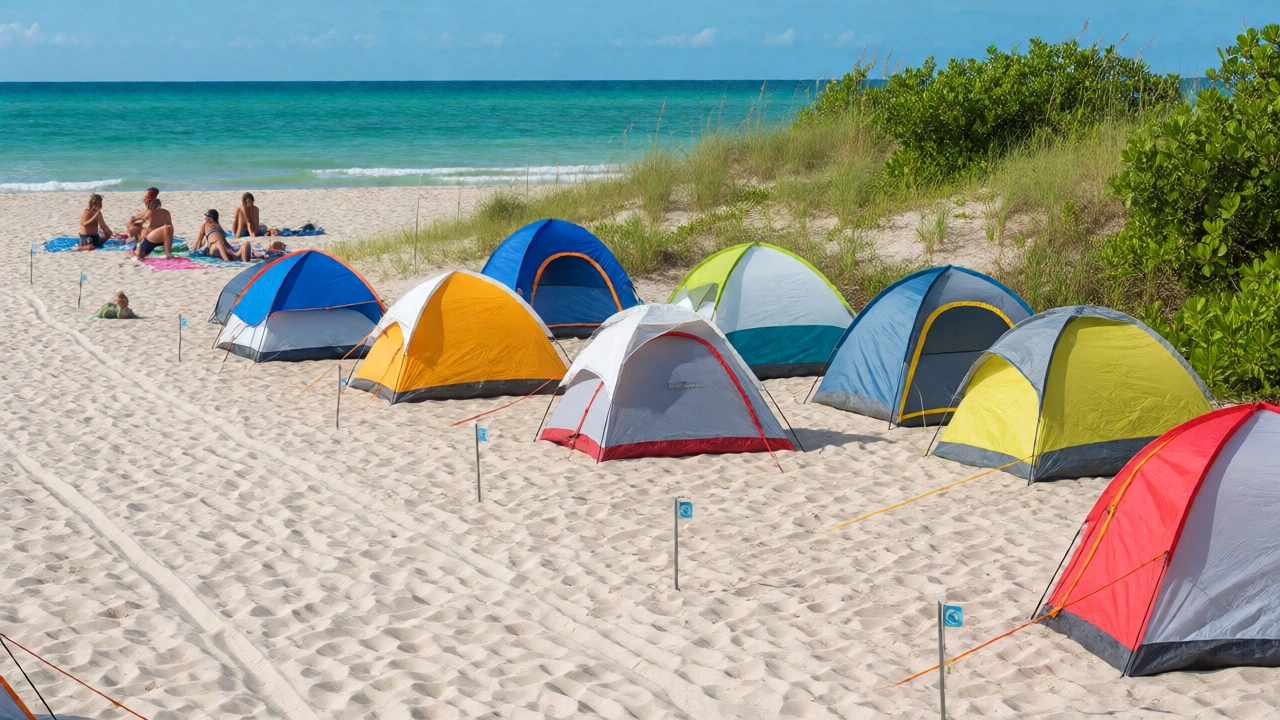
So, is it hopeless? Not at all. Several areas explicitly permit beach camping, which is defined as setting up a temporary shelter on the sand within designated boundaries. These are your safe havens. Here are the most reliable options:
- Grayton Beach State Park (Panhandle): This is arguably the most famous legal beach camping spot in Florida. Located near Destin, it offers primitive sites right behind the dunes. You need a reservation, and there are limits on group size, but it’s fully legal and stunning.
- Haulover Beach (Miami-Dade County): Known for its clothing-optional section, Haulover also has a campground. While the campground itself is set back slightly, the proximity allows for easy beach access. Check current Miami-Dade regulations as they change frequently regarding vehicle entry.
- St. George Island State Park: Another gem in the Panhandle, offering sites close enough to walk to the water in minutes. It’s less crowded than Grayton and feels more secluded.
- Driftwood Beach State Recreation Site (Pensacola): Small but mighty, this spot allows camping very close to the Gulf. It’s popular with locals, so book early.
Note that these are designated campsites. You can’t just pick any random spot within the park. You must use the marked area. Venturing onto the open sand outside these zones usually voids your permission.
County-by-County Nuances
Florida counties have home-rule powers, meaning they can create stricter or slightly looser rules than the state baseline. Here’s what you need to know about the major tourist hubs:
| County/Region | General Rule | Key Exceptions/Notes |
|---|---|---|
| Miami-Dade | Strictly Prohibited | Camping allowed only in designated parks like Haulover. No vehicles on beach after dark. |
| Broward | Prohibited | Fort Lauderdale and Hollywood enforce strict no-sleeping rules. Security patrols are active at night. |
| Palm Beach | Prohibited | Generally no camping. Some private resorts offer beachfront glamping, but public sand is off-limits. |
| Escambia/Panhandle | Permitted in Parks | Grayton and Driftwood allow camping. Pensacola Beach has specific designated zones. |
| Volusia/Brevard | Variable | New Smyrna Beach has specific rules. Daytona Beach allows driving on sand but sleeping is restricted to licensed campgrounds. |
If you’re in South Florida, assume it’s illegal unless you see a sign saying otherwise. In the Panhandle, you have more freedom, but still only within official parks. Central Florida beaches like Cocoa Beach generally prohibit overnight stays on the sand due to high traffic and erosion concerns.
The Difference Between "Sleeping" and "Lying Down"
This is where things get gray. Is it illegal to lie on a towel for an hour? No. Most laws target camping, which implies staying overnight, having gear, and occupying the space. If you’re napping during the day while lifeguards are on duty, you’re usually fine. The trouble starts when the sun goes down.
Many ordinances specify that beaches are closed from sunset to sunrise. For example, in many municipalities, being on the beach after 10 PM or 11 PM is considered trespassing. Even if you don’t have a tent, if you’re sitting in a chair with a cooler and a blanket past closing time, you can be cited. The key indicator officers look for is evidence of habitation. Are you trying to spend the night? If yes, you need a permit or a designated zone.
What Happens If You Get Caught?
Don’t gamble with your wallet. Police and park rangers patrol popular beaches regularly, especially on weekends and holidays. If you’re found sleeping illegally:
- The Warning: Sometimes, if it’s quiet and you’re cooperative, you might just get a verbal warning to pack up and leave. Don’t count on this happening twice.
- The Citation: More likely, you’ll get a ticket. Fines vary widely. In Miami-Dade, it can be upwards of $100-$200 per person. In smaller towns, it might be $50. Add court fees, and it gets expensive fast.
- Vehicle Impoundment: If you’re car camping on the sand (like in Daytona), and you violate parking rules, your car can be towed. That’s a headache you don’t need on vacation.
Also, consider the environmental impact. Leaving trash or disturbing dune vegetation can lead to additional fines under conservation laws. These are separate from the camping fine and can be significantly higher.
Tips for Legal and Comfortable Beach Camping
If you’ve secured a spot in a legal zone, here’s how to make it work. Beach camping is harder than forest camping. The wind is constant, the sand shifts, and humidity is intense.
- Anchor Your Tent: Regular stakes won’t hold in loose sand. Use long, wide sand stakes or bury bags filled with sand around the guy lines. Otherwise, your tent will fly away at 2 AM.
- Manage Moisture: Florida nights are humid. Condensation inside a tent is guaranteed. Bring a footprint tarp and keep gear off the ground. A small battery fan helps air circulation.
- Light Discipline: Use red-light filters for headlamps if you’re near turtle nesting areas. Bright white lights disorient hatchlings. Keep noise down after 10 PM to respect other campers and wildlife.
- Water Access: Public showers are rare on beaches. Plan for a quick rinse at a nearby gas station or park facility. Bring plenty of drinking water; you can’t drink seawater!
Alternatives When You Can’t Sleep on the Sand
If every legal spot is booked or you’re in a strict county like Broward, don’t despair. There are great alternatives that give you the ocean vibe without the risk of a fine.
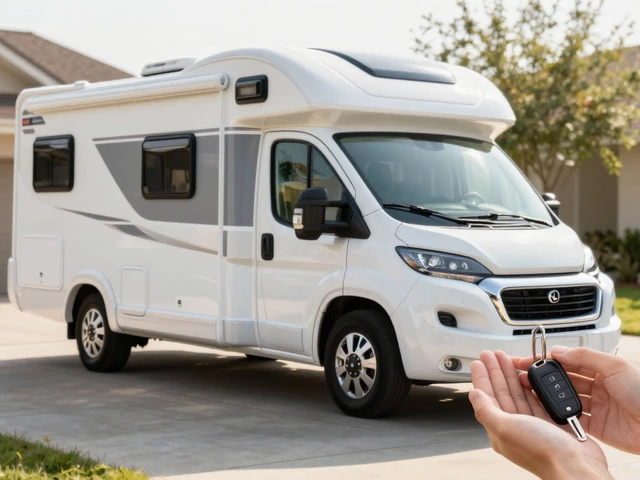
Consider Oceanfront RV Parks. Many are located just across the street from the beach. They offer full hookups, security, and pool access. You can walk to the sand for sunset and return to a comfortable bed. Another option is Glamping Sites. Places like Cool Key or various eco-resorts offer pre-set tents or cabins near the water. It’s pricier than roughing it, but cheaper than a hotel, and completely legal.
For those who absolutely must sleep on the sand, look into Private Beach Clubs. Some offer membership packages that include overnight access or cabana rentals. It’s a niche market, but worth checking out if you’re staying in one area for a week.
Frequently Asked Questions
Can I sleep in my car on the beach in Florida?
Generally, no. Most Florida beaches prohibit vehicles on the sand after sunset. Even if cars are allowed during the day (like in Daytona), sleeping in them overnight is often restricted to designated campgrounds. Always check local signage, as rules vary by county.
Is it illegal to bring alcohol to a Florida beach?
Yes, glass containers are banned on almost all public beaches. Alcohol consumption rules vary by city. Some allow beer in cans, others ban all alcohol. Drinking in public spaces can lead to fines, especially if you become disruptive. Check local ordinances before opening a beverage.
Do I need a permit to camp on a Florida beach?
If you are camping in a State Park like Grayton or St. George Island, yes, you need a reservation and pay a fee. This acts as your permit. On public beaches where camping is not allowed, no permit exists because camping is prohibited. Private beaches may have their own booking systems.
What time do Florida beaches close?
Most public beaches close at sunset or between 10 PM and 11 PM. During sea turtle nesting season (May-October), some beaches restrict access earlier or require dimmed lights. Always verify the specific closing time for the beach you plan to visit.
Are there sharks on Florida beaches?
Yes, sharks inhabit Florida waters. However, attacks are extremely rare compared to the number of swimmers. Shark activity doesn’t usually prevent legal camping, but it does mean you should avoid swimming at dawn/dusk and follow lifeguard warnings. Campers should secure food to avoid attracting scavengers like raccoons, not sharks.
Final Thoughts
Sleeping on the beach in Florida is possible, but it requires homework. You can’t wing it like you might in Australia. The laws are strict for good reason, protecting both people and nature. Your best bet is to book a site in a State Park in the Panhandle or find a designated campground in South Florida. Avoid the temptation of "just one night" on a random stretch of sand-it’s rarely worth the stress and potential fines. With the right planning, you can enjoy the magic of ocean-front camping without worrying about a knock at your tent door.