UK Campsite Booking Strategy Planner
Select Your Travel Dates
Select a month and week above, then click "Analyze Strategy" to see detailed insights.
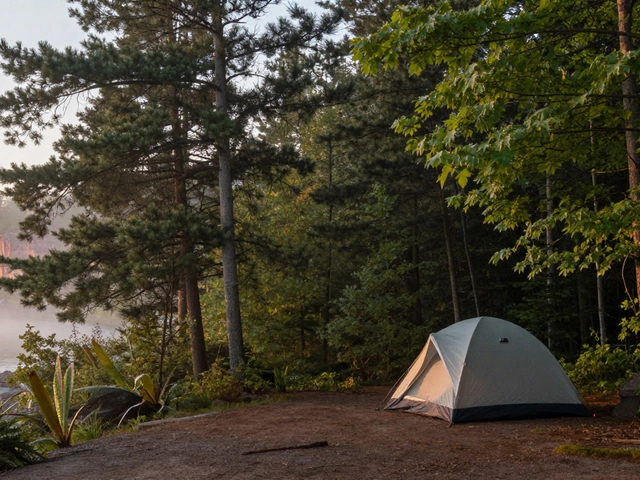
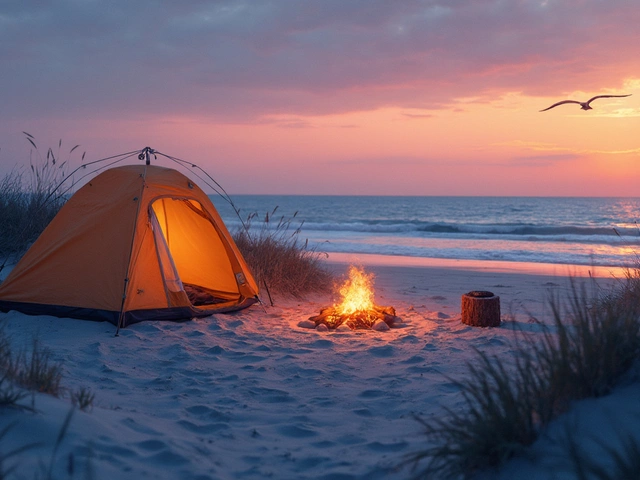
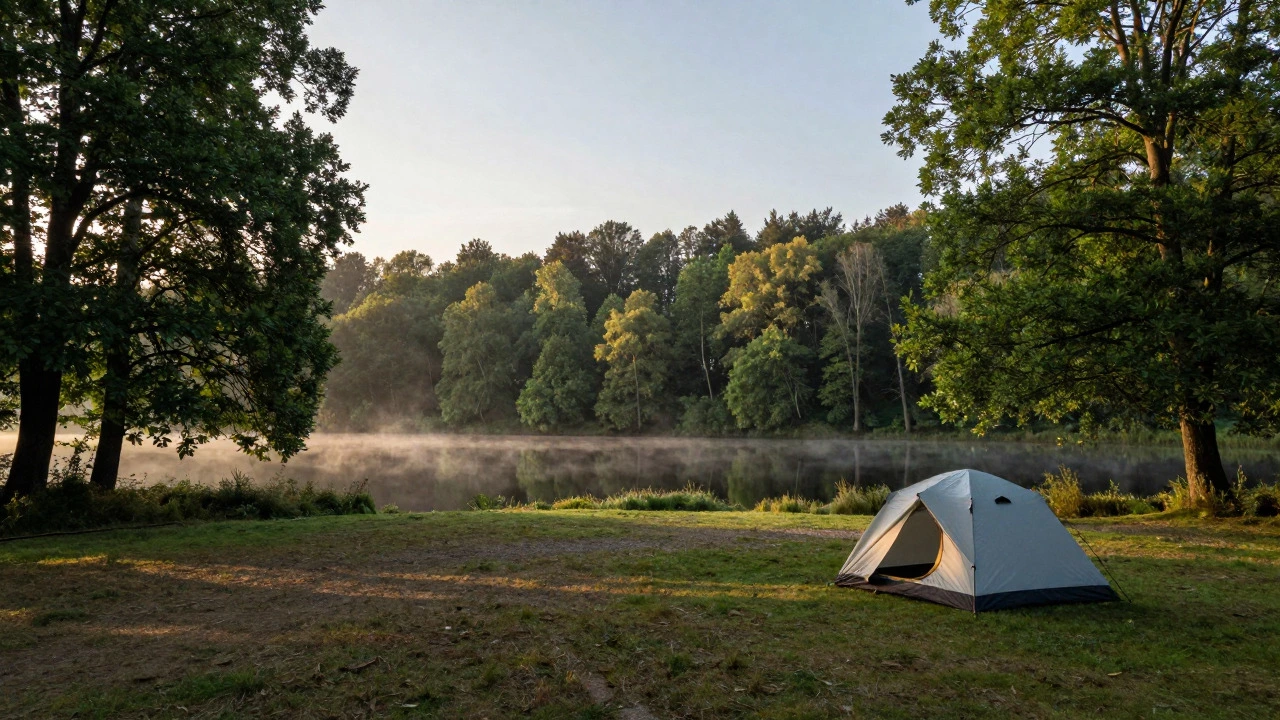
There is a specific moment in the year when the best UK campsites are still available, but the prices haven't yet skyrocketed. That moment is governed by what experienced campers call the 33/38 rule. It is not a law, nor is it written on any official government document. Instead, it is a practical heuristic derived from years of observing how holiday demand fluctuates across the British Isles. If you want to secure a pitch at a popular forest campsite or a busy beach campsite without paying premium rates, understanding this timing window is essential.
What Exactly Is the 33/38 Rule?
The core concept is simple: book your main summer holiday between the 33rd and 38th week of the year. For most people, this translates to late August through early September. Why these specific weeks? Because they sit in the sweet spot between the chaotic height of July and the quiet decline of October. During this period, schools have just started, meaning families who booked last-minute for July or August are already home. Meanwhile, the weather in the UK remains mild enough for comfortable wild camping or tenting, but the crowds have thinned significantly. This creates a rare window where availability is high, and competition for pitches is low.
Why Timing Matters More Than Location
Many beginners think the key to getting a good site is choosing a remote location. While remoteness helps, timing often matters more. A prime location in Cornwall or Devon will be fully booked by mid-June if you wait until July. However, that same site might have dozens of empty pitches in Week 35. The 33/38 rule leverages this shift in demand. By targeting these later weeks, you gain leverage. You can negotiate better rates, upgrade to larger pitches, or even request specific locations within the campsite, such as a spot closer to the water or further from the road noise. This strategic timing allows you to enjoy premium facilities without the premium price tag associated with peak season.
Weather Considerations for Late Summer
A common concern with waiting until late August is the weather. Will it be too cold? In the UK, the answer is usually no. August and early September typically offer some of the warmest temperatures of the year, often exceeding those seen in June. Rainfall tends to decrease as well, making late summer an ideal time for outdoor activities like hiking, cycling, and swimming. That said, you must pack for variability. Even in the heat of August, nights can drop to 10-12 degrees Celsius in northern regions. Bringing a reliable sleeping bag rated for 5 degrees Celsius ensures comfort regardless of the forecast. This preparation mitigates the only real downside of the 33/38 rule: the slight risk of cooler evenings compared to the peak of July.

Comparing Peak Season vs. The 33/38 Window
To understand the value of this strategy, let's look at the differences between booking in Week 28 (late June) versus Week 35 (mid-August). The table below highlights the key contrasts that affect your experience and wallet.
| Factor | Peak Season (Late June) | 33/38 Window (Mid-August) |
|---|---|---|
| Availability | Very Low; requires booking 6+ months ahead | High; often available 2-4 weeks in advance |
| Price Per Night | £40 - £60+ | £25 - £35 |
| Crowd Levels | Extremely High; noise and congestion | Moderate; peaceful atmosphere |
| Weather Risk | Low; consistently warm | Moderate; potential for rain/cooler nights |
| Facility Access | Competitive; showers/pools crowded | Ease; minimal wait times |
How to Execute the Strategy Effectively
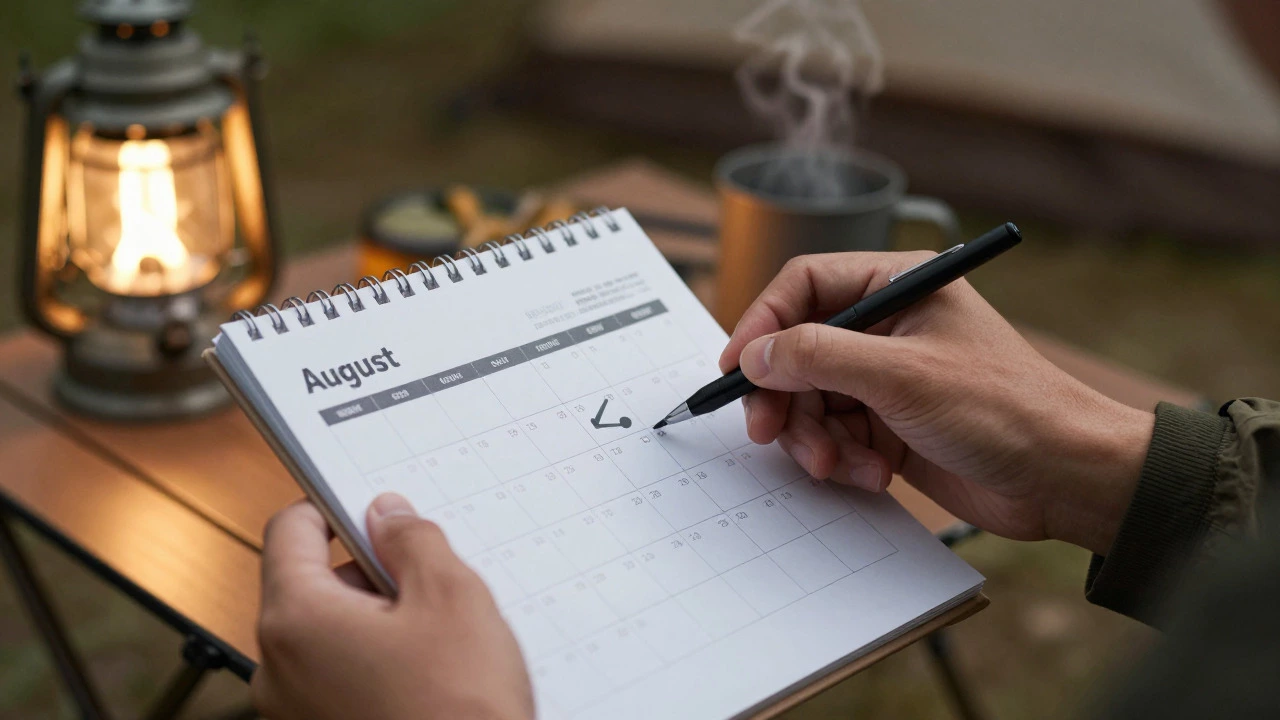
Knowing the rule is one thing; applying it is another. Here is a step-by-step approach to maximizing your chances of success. First, identify your target region. Do not focus on a single campsite initially. Instead, select a geographic area, such as the Scottish Highlands or the Lake District. Next, monitor pricing trends from May onwards. Many sites release their autumn rates in July. Look for sites that offer dynamic pricing, where rates drop after a certain date. Third, be flexible with your dates. Shifting your trip by just two days can move you from a weekend rate to a weekday rate, saving you 20-30% per night. Finally, communicate directly with the site manager. A quick email explaining your preferred dates and asking about availability for Weeks 33-38 can yield results that online booking platforms miss, especially for smaller, independent family-run sites.
Common Pitfalls to Avoid
Even with the right strategy, mistakes can derail your plans. One major pitfall is assuming all campsites follow the same seasonal patterns. Luxury glamping sites may remain full throughout the summer due to higher price points limiting demand, while budget sites may stay empty until the very last minute. Always check the specific history of the site you are targeting. Another mistake is ignoring local events. If a major music festival or agricultural show is happening in your chosen region during Week 35, expect prices to spike and availability to vanish. Cross-reference your travel dates with local event calendars to avoid unexpected surges in demand. Lastly, do not forget about cancellation policies. Booking earlier in the 33/38 window provides more flexibility if plans change, whereas last-minute bookings often come with stricter terms.
Is This Rule Applicable Year-Round?
While the 33/38 rule is most powerful for summer holidays, its principles apply to other seasons as well. In winter, the equivalent window would be late November to early December, avoiding the Christmas rush while still enjoying lower prices than the New Year break. In spring, aim for late April, after Easter but before the school holidays begin. The underlying logic remains constant: find the gap between high-demand periods. By adapting this mindset to different times of the year, you can enjoy better value and fewer crowds whenever you choose to go camping. The key is to observe the calendar and anticipate shifts in consumer behavior rather than reacting to them.
Does the 33/38 rule apply to all types of accommodation?
It works best for traditional tent pitches and standard motorhome sites. Luxury glamping pods and high-end cabins often maintain consistent pricing and occupancy levels throughout the summer because their target demographic books well in advance and is less price-sensitive. For these options, the benefit is reduced crowding rather than significant cost savings.
What if I cannot take time off work in August?
You can still use the principle by targeting the edges of the peak season. Early May and late September are excellent alternatives. These weeks often see similar drops in demand and pricing. Focus on weekdays rather than weekends to maximize savings and minimize crowds, as weekend rates remain higher even outside the core summer months.
Are there risks of bad weather in late August?
The risk is moderate. While rainfall decreases, storms can still occur. Pack versatile clothing and ensure your tent has a strong groundsheet. Most campsites provide covered areas for cooking and socializing, which helps mitigate the impact of sudden rain. Check the long-range forecast two weeks before arrival to adjust your plans if necessary.
How far in advance should I book for the 33/38 window?
For popular sites, booking 4 to 6 weeks in advance is sufficient. Unlike peak season, where you need to book months ahead, the 33/38 window allows for shorter lead times. This flexibility is one of the biggest advantages, allowing you to make decisions based on current work schedules and personal circumstances without long-term commitment.
Can I use this rule for wild camping?
Yes, though the dynamics are slightly different. Wild camping spots in popular areas like the Cairngorms or Snowdonia become crowded in July and August. By waiting until late August, you often find that the best secluded spots are free again. Additionally, landowners are more likely to welcome visitors during the quieter late summer period, as farm work slows down and fields are harvested.