Class B Motorhome Cost Estimator
Estimated Breakdown
💡 Savings Insight:
By using a Class B motorhome instead of a hotel + car rental, you could save approximately $0. This assumes a standard hotel room costs ~$200/night and a separate car rental is ~$60/day.
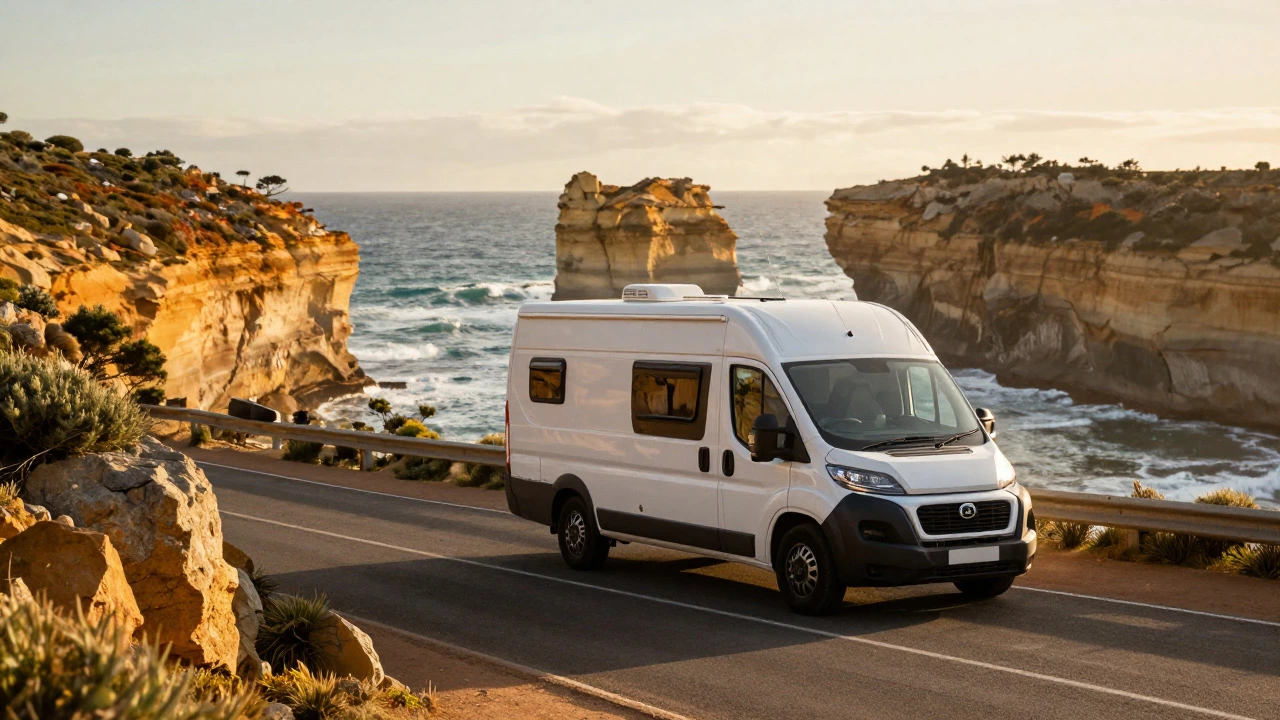
Picture this: you’re driving a vehicle that looks like a standard van from the outside. You pull into a tight parking spot in Sydney’s CBD or a narrow coastal lane on the Great Ocean Road. It fits easily. But when you step inside, it transforms. There’s a bed overhead, a compact kitchenette, and maybe even a small toilet. This is the magic of a Class B motorhome, often called a camper van. Unlike the massive, house-on-wheels style vehicles you see dominating highways, these are nimble, efficient, and surprisingly spacious once you know how to use them.
If you’ve ever considered renting a vehicle for an Australian road trip but were intimidated by the size of traditional caravans or large Class C RVs, you need to understand what makes Class B conversions special. They represent the perfect balance between mobility and comfort. Let’s break down exactly what they are, who they are for, and why they might be the best choice for your next adventure.
The Anatomy of a Class B Motorhome
To truly grasp what a Class B motorhome is, you have to look at its construction. These vehicles start as a commercial van chassis-typically models like the Mercedes-Benz Sprinter, Ford Transit Custom, or Volkswagen Transporter. Manufacturers then strip out the rear seating and install custom cabinetry, insulation, and electrical systems. This process is known as a "conversion."
The defining characteristic of a Class B is that it retains the original exterior profile of the van. There are no pop-up roofs (usually), no slide-outs, and no external overhangs. Everything is contained within the footprint of the van itself. This design choice offers significant advantages:
- Maneuverability: You can drive it anywhere a regular car can go. Think bush tracks, city streets, and small campgrounds.
- Fuel Efficiency: Because they are lighter and more aerodynamic than larger RVs, they get better gas mileage.
- Parking Ease: No need for special RV parks. You can often park in standard bays, making spontaneous stops easier.
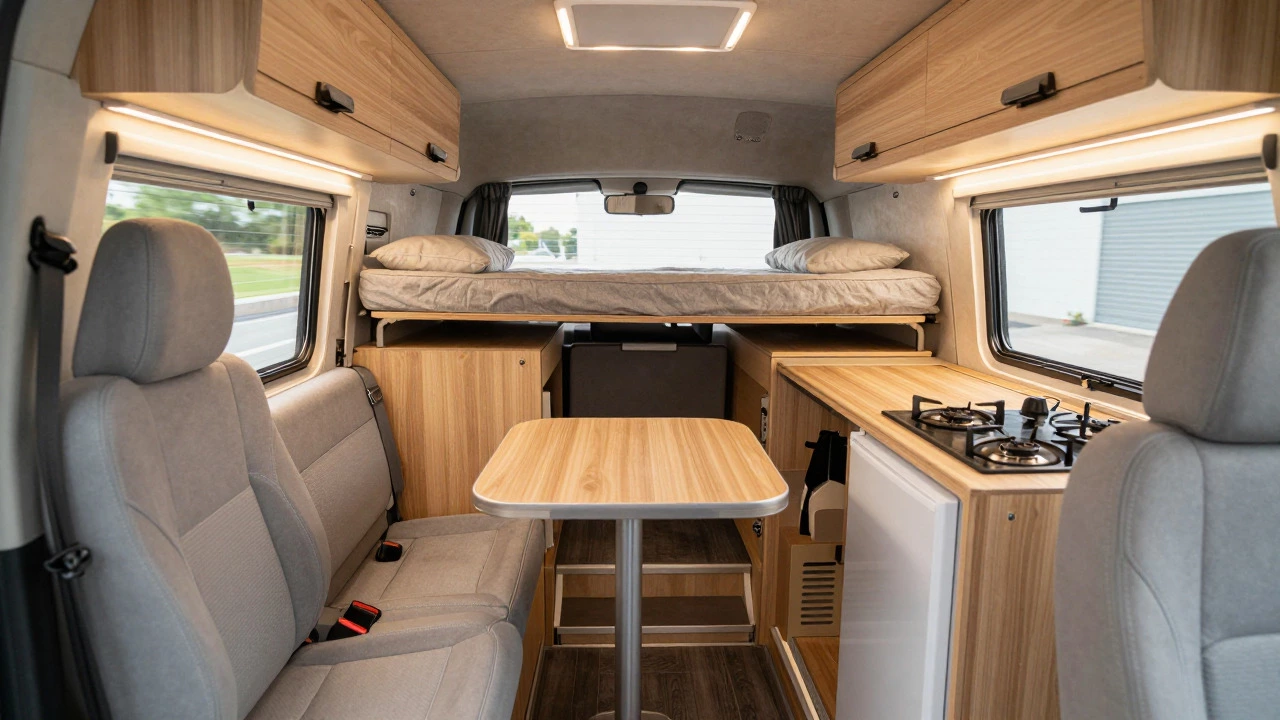
Inside, space is king. Every centimeter is engineered for dual purpose. The dinette table folds down to become part of the bed. Storage compartments are hidden behind seats and under floorboards. This clever use of space allows a vehicle that is only about 6 meters long to sleep two people comfortably.
Class B vs. Other RV Types: What’s the Difference?
Confusion often arises because terms like "camper van," "motorhome," and "RV" are used interchangeably. To make an informed decision, especially when looking at motorhome hire options in Australia, it helps to compare Class B with its siblings.
| Feature | Class B (Camper Van) | Class C Motorhome | Class A Motorhome |
|---|---|---|---|
| Exterior Appearance | Looks like a standard van | Van with cab-over bunk area | Large bus-like coach |
| Length | 5-7 meters | 7-10 meters | 8-14+ meters |
| Driving License | Standard Car License (C) in most cases | Often requires Medium Rigid (MR) or higher | Heavy Vehicle License required |
| Living Space | Compact, standing height limited | Spacious, full standing height | Luxurious, multiple rooms |
| Ideal For | Couples, solo travelers, off-grid camping | Families, long-term stays | Luxury travel, stationary camping |
As you can see, Class B vehicles sit at the entry level of luxury but the top tier of convenience. If you value freedom of movement over square footage, Class B is your winner. If you need a full bathroom and separate bedroom, you might look at Class C or A, but you’ll sacrifice the ability to explore remote areas easily.
Key Features Inside a Class B Conversion
When you rent or buy a Class B motorhome, you aren’t just getting a bed on wheels. Modern conversions are packed with technology and amenities designed to keep you comfortable off the grid. Here’s what you should expect to find inside a well-equipped unit available through reputable van hire companies in Australia:
- Sleeping Arrangements: Most Class Bs feature a fixed rear bed or a convertible dinette that turns into a double bed. Some high-end models include a drop-down roof bed, adding extra sleeping capacity without taking up floor space.
- Kitchenette: Expect a two-burner gas stove, a small sink with fresh water storage, and a compact fridge/freezer. The fridge is usually electrically powered via a 12V system, meaning you can run it while parked without needing shore power.
- Power Systems: This is critical. Look for units with lithium batteries rather than lead-acid. Lithium batteries hold charge longer and recharge faster from solar panels or the alternator while driving. Many modern vans come with 100W to 200W of solar capability on the roof.
- Water Management: Fresh water tanks typically hold 30-50 liters. Grey water (from the sink) goes into a separate tank. Note that many basic Class Bs do not have toilets; instead, they rely on portable cassette toilets or nearby facilities.
- Climate Control: Roof-mounted air conditioners are becoming standard. In winter, diesel heater systems provide quiet, efficient warmth without consuming battery power.
Understanding these features helps you plan your trips. For instance, if your van has a small water tank, you’ll want to shower at campsites rather than relying on onboard facilities. If it has strong solar, you can camp in remote locations without worrying about charging your devices.
Who Should Rent a Class B Motorhome?
Not every traveler needs a Class B, but for many, it’s the ideal solution. Consider renting one if:
- You are a couple or solo traveler: The space is optimized for one or two people. Adding more occupants can feel cramped quickly.
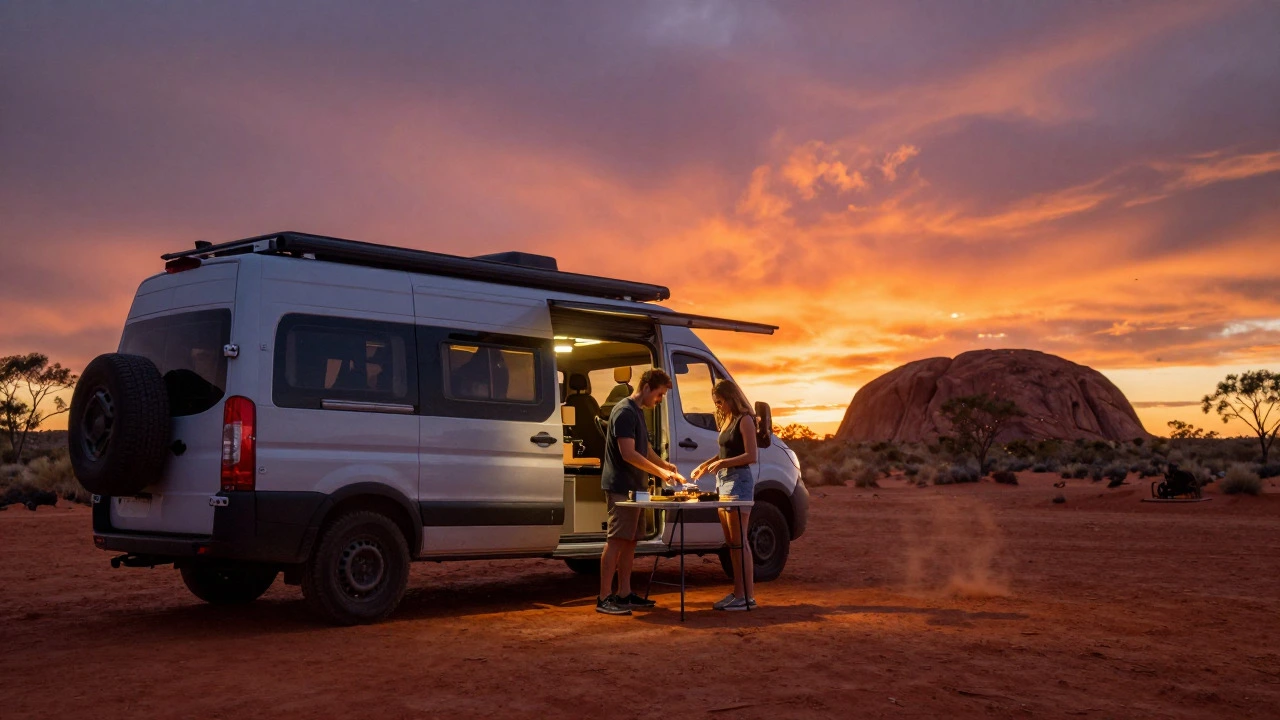
- You want to explore remote areas: Whether it’s the red dirt of the Outback or the rugged coastlines of Tasmania, a Class B can handle unsealed roads better than larger RVs.
- You prefer flexibility: With a Class B, you aren’t tied to large caravan parks. You can utilize dispersed camping spots, national park tent sites, and even some street parking where permitted.
- You are new to RVing: Driving a large motorhome can be stressful. A Class B feels familiar, reducing anxiety and allowing you to focus on the scenery.
However, if you are traveling with young children who need dedicated sleeping quarters, or if you plan to stay in one location for weeks at a time, a larger Class C or a static caravan might offer more comfort. The key is matching the vehicle to your lifestyle and itinerary.
Tips for Your First Class B Rental
Renting a camper van in Australia is straightforward, but there are nuances to ensure a smooth experience. As someone who spends time exploring the roads around Sydney and beyond, I’ve seen common mistakes made by first-timers. Avoid them with these practical tips:
Check the License Requirements: In most Australian states, including New South Wales and Victoria, you can drive a Class B motorhome with a standard Class C car license if the vehicle weighs less than 4.5 tons. Always confirm this with your rental provider, as some larger conversions might edge close to this limit.
Inspect the Water and Power Systems: Before you leave the depot, ask for a walkthrough. Learn how to fill the fresh water tank, empty the grey water, and check the battery levels. Knowing how to reset a tripped breaker or switch on the diesel heater can save you from a cold, dark night.
Plan for Waste Disposal: Since many Class Bs lack holding tanks for sewage, you’ll need to plan your route around dump points or campsite facilities. Apps like iOverlander can help locate free and paid dump stations across Australia.
Respect Nature: Class B owners often enjoy wild camping. Remember the "Leave No Trace" principles. Pack out all trash, minimize fire impact, and respect wildlife. Australia’s ecosystems are fragile, and responsible travel ensures they remain beautiful for future adventurers.
Cost Considerations: Is It Worth It?
One of the biggest questions is cost. Renting a Class B motorhome is generally cheaper than hiring a Class C or A motorhome. Daily rates vary based on season, vehicle age, and equipment level. In peak summer months, prices surge, so booking early is wise.
Beyond the rental fee, consider fuel costs. Class Bs are significantly more fuel-efficient than larger RVs. While a huge motorhome might get 8-10 kilometers per liter, a Class B can achieve 12-15 kilometers per liter, depending on the engine and load. Over a long road trip, this adds up to substantial savings.
Additionally, you save on accommodation. By sleeping in your van, you eliminate hotel costs. Even if you pay for a campground site ($30-$50 per night), it’s far cheaper than a motel room. This economic advantage makes Class B rentals accessible for budget-conscious travelers without sacrificing comfort.
Maintenance and Reliability
When choosing a rental company, reliability is paramount. Reputable providers perform rigorous maintenance checks before each rental. However, it’s good to know what to look for during your inspection:
- Tire Condition: Check tread depth and pressure. Flat tires on the highway are a nightmare.
- Leak Checks: Look for damp spots in corners or under cabinets. Water damage is the enemy of van interiors.
- Appliance Functionality: Test the stove lights, fridge cooling, and air conditioner startup. Don’t wait until you’re 500km from home to discover the fridge isn’t working.
Most rental agreements include breakdown assistance, but having a clear understanding of what’s covered versus what’s your responsibility (like minor consumables such as toilet paper or cooking oil) prevents disputes at return time.
Conclusion: Embrace the Freedom
A Class B motorhome is more than just a vehicle; it’s a gateway to independence. It strips away the complexities of large RV ownership while retaining the core benefits of mobile living. Whether you’re chasing sunsets along the Pacific Coast or exploring the ancient landscapes of the Red Centre, a Class B gives you the agility to go where others can’t.
By understanding the anatomy, features, and limitations of these versatile vehicles, you can make an informed decision about your next holiday. The road is calling, and with a Class B, you’re ready to answer it comfortably and confidently.
Do I need a special license to drive a Class B motorhome in Australia?
In most cases, no. If the vehicle has a Gross Vehicle Mass (GVM) of less than 4.5 tonnes, you can drive it with a standard Class C car license. This applies in New South Wales, Victoria, Queensland, and other major states. Always verify the specific weight of the rental vehicle with the provider.
Can I cook inside a Class B motorhome?
Yes, most Class B motorhomes come equipped with a two-burner gas stove and a sink. However, ventilation is limited compared to larger RVs. It’s recommended to crack a window or door open while cooking to prevent smoke buildup and condensation.
How long can I stay off-grid in a Class B camper van?
This depends on your usage and the vehicle's equipment. With solar panels and lithium batteries, you can often go 3-5 days without shore power if you use appliances sparingly. Water is usually the limiting factor; with a 40-liter tank, you might last 2-3 days if you conserve water for drinking and light washing.
Is it easy to park a Class B motorhome in cities?
Much easier than larger RVs. Because they retain the dimensions of a standard van, they fit into most regular parking bays. However, always check local signage for restrictions on overnight parking. Many cities have designated tourist parking zones for camper vans.
What is the difference between a Class B and a Class C motorhome?
The main difference is size and layout. Class B vehicles are built on van chassis with no external overhangs, making them smaller and more maneuverable. Class C motorhomes are larger, built on truck chassis, and feature a distinctive cab-over bunk area above the driver’s seat, offering more interior space and often a full bathroom.