Glamping Compatibility Quiz
Answer these quick questions to see how well glamping fits your travel style.
Your Glamping Match Score
0%Recommended Accommodation Type:
You’ve seen the photos on Instagram. A white canvas tent with a proper bed inside, maybe a hot tub on the deck, and definitely no muddy boots required. But what actually happens when you book a glamping site? Is it just camping with better Wi-Fi, or is it a completely different animal?
If you’re standing on the fence between roughing it and staying in a hotel, this guide breaks down the day-to-day reality of glamping. We’ll look at what you get, what you don’t, and how to decide if it’s worth your cash.
The Core Difference: Comfort vs. Wilderness
Traditional camping is about survival skills and minimalism. You bring everything, set up your own shelter, and cook over a fire. Glamping, short for "glamorous camping," flips that script. The core promise here is immersion in nature without the physical labor.
Glamping is a form of outdoor accommodation that combines the aesthetic and location benefits of camping with the amenities of a hotel or resort. Unlike standard campsites where you might share a block toilet, glamping sites often provide private facilities, real beds, and heating or cooling systems.
Think of it this way: In camping, you are working to stay comfortable. In glamping, the comfort is pre-installed. You walk into a structure that already has electricity, running water, and furniture. Your job isn’t to hammer pegs; it’s to relax.
Where Do You Actually Sleep?
This is the first thing people ask. Are you sleeping on the ground? Usually, no. Glamping accommodations vary wildly, but they all aim for dry, elevated, and cozy.
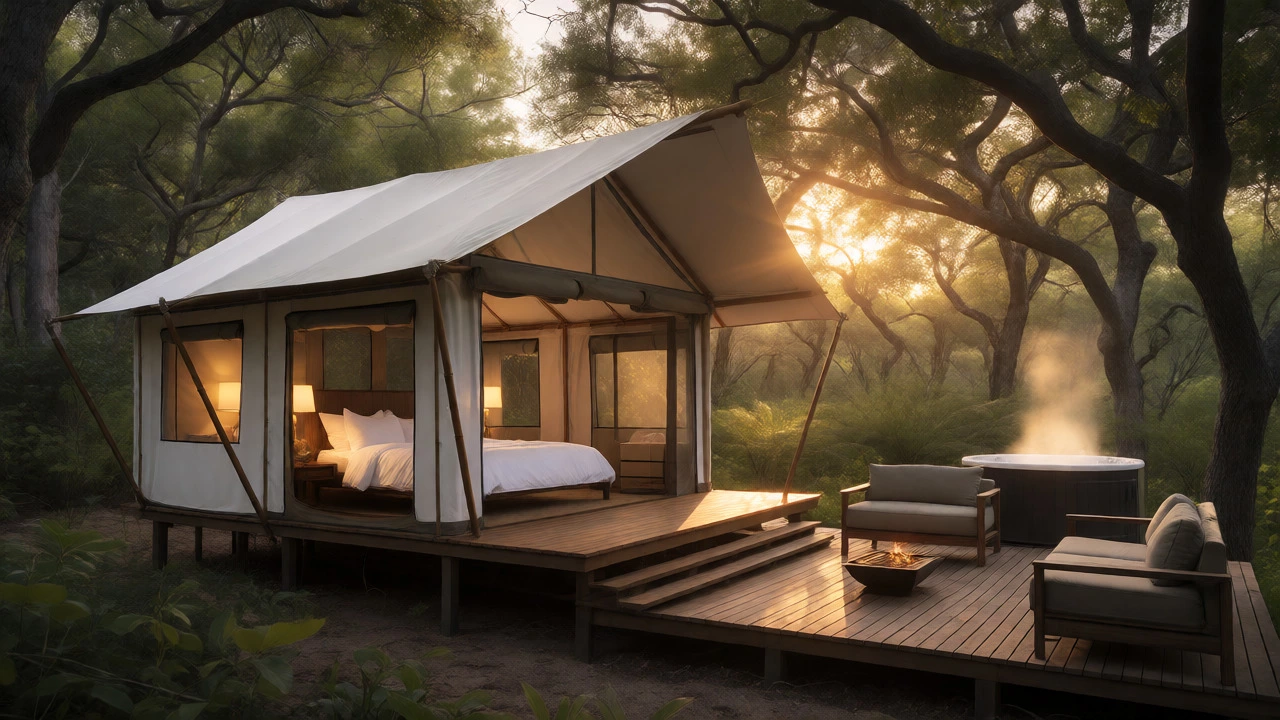
- Safari Tents: These are large canvas structures on wooden platforms. They look like old-school explorer tents but come equipped with king-size beds, rugs, and sometimes even air conditioning. They offer the best balance of "outdoor feel" and indoor comfort.
- Yurts: Circular structures inspired by Mongolian nomads. They are sturdy, warm in winter, and cool in summer. Many modern yurts have insulation and proper windows, making them far more livable than their traditional counterparts.
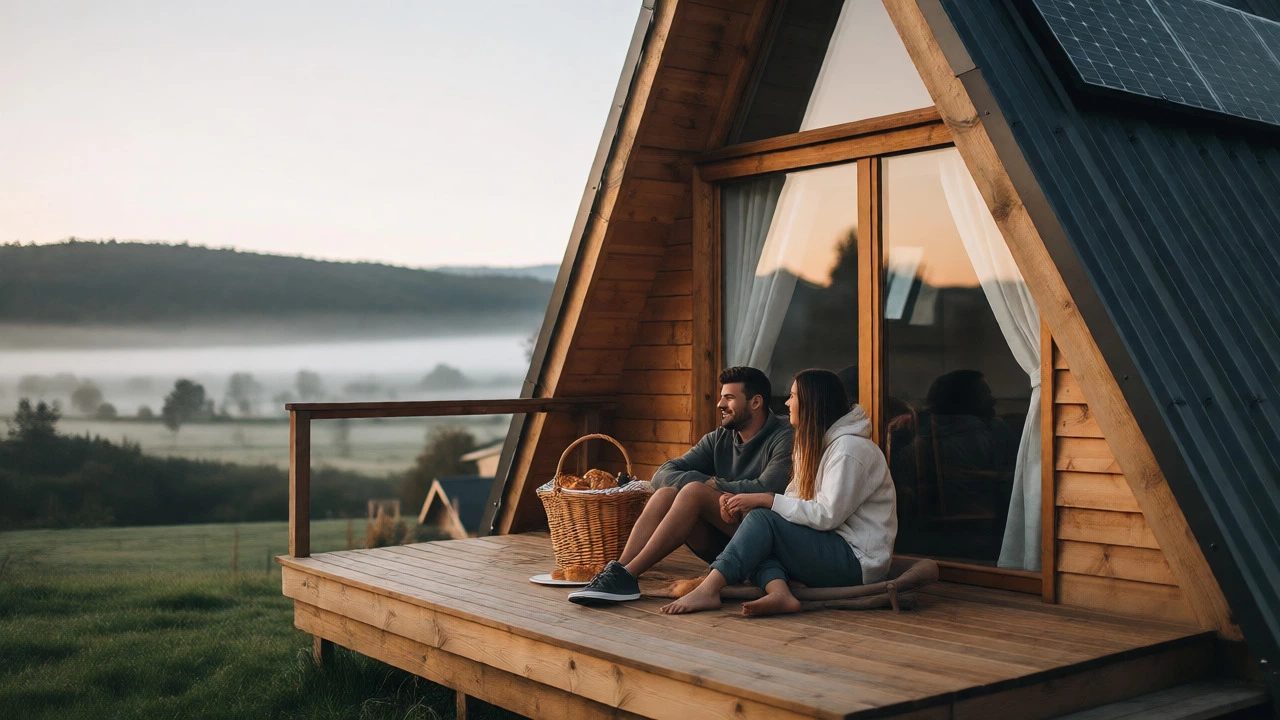
- A-Frame Cabins: Tiny houses shaped like triangles. These are great for couples because they maximize vertical space. They usually have a loft bedroom and a small kitchenette below.
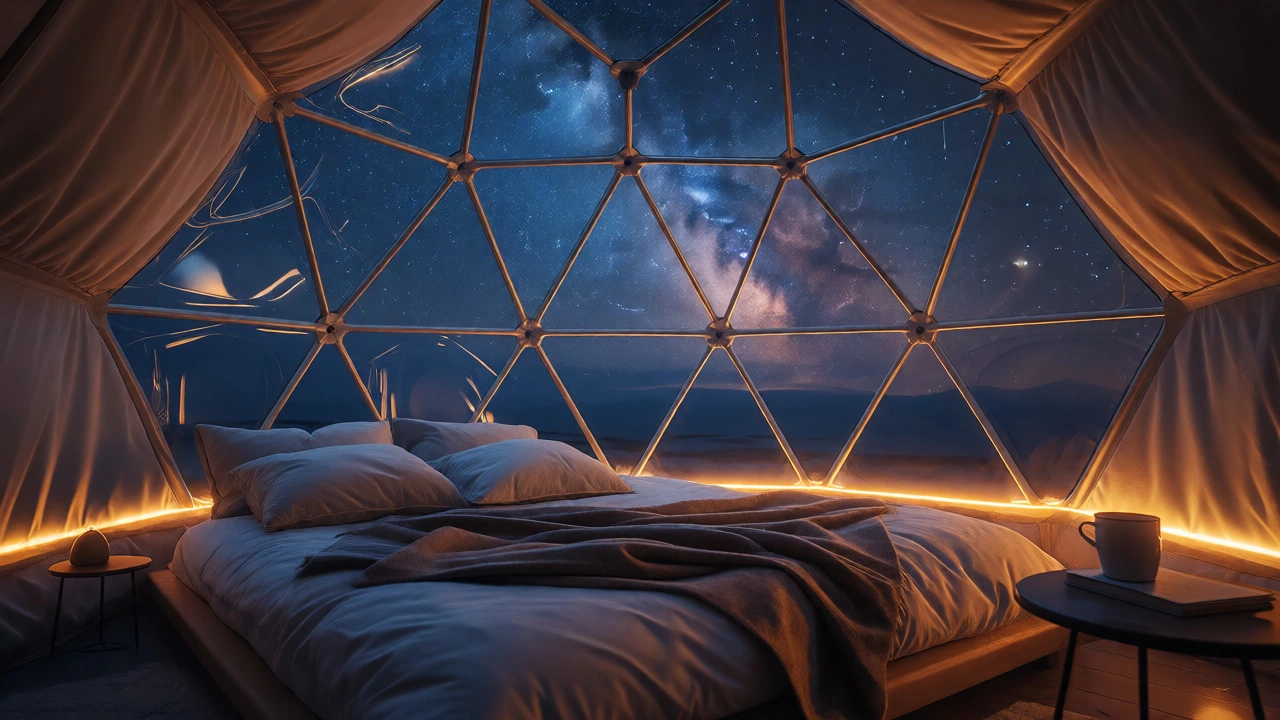
- Geodesic Domes: Transparent or semi-transparent spheres. These are popular for stargazing because you can see the sky from your bed. However, they can get surprisingly hot in direct sunlight, so check for ventilation options.
- Treehouses: If you want to be off the ground entirely, treehouses offer privacy and a unique view. They require climbing stairs or ladders, which adds an element of adventure without the sweat.
The key takeaway? You aren’t pitching a tent. The structure is permanent or semi-permanent. This means you can leave your clothes hanging up and your coffee mug on the counter. It feels less like a temporary camp and more like a remote vacation home.
What Amenities Should You Expect?
Here is where glamping sites differ the most. There is no single standard, so you must read the fine print. However, most reputable sites offer a baseline of comforts that distinguish them from basic campsites.
| Feature | Traditional Camping | Standard Glamping | Luxury Glamping |
|---|---|---|---|
| Bedding | Sleeping bag on foam pad | Real mattress with linens | King-size bed with high-thread-count sheets |
| Toilet & Bath | Shared block or vault toilet | Private composting or flush toilet | Ensuite bathroom with shower |
| Kitchen | Camp stove and cooler | Fridge and basic cooking gear | Full kitchenette with oven and dishwasher |
| Power | Battery packs or none | Electricity for lights and charging | Full HVAC (heating/cooling) and Wi-Fi |
| Extras | Fire pit (often shared) | Private fire pit or BBQ | Hot tub, sauna, or outdoor cinema |
Notice the jump in power availability. Many glamping sites run on solar panels or generators. While this is eco-friendly, it means you need to be mindful of energy use. Running a hair dryer might trip the breaker if everyone else does it at the same time. Always ask about power limits before packing your heavy-duty electronics.
The Daily Rhythm: What Do You Actually Do?
So, you’ve arrived. The sun is setting. What now? The activity level depends heavily on the location, but there’s a common rhythm to a glamping trip.
Mornings usually start later than a typical campsite. Since you don’t have to pack up a tent, you can linger over coffee. Many sites offer local breakfast baskets-think fresh bread, jams, and eggs delivered to your door. This is a huge perk if you hate cooking first thing in the morning.
Daytime activities revolve around the surroundings. If you’re near a beach, you might go swimming or surfing. If you’re in the forest, hiking is the norm. Because you’re not exhausted from setting up camp, you have more energy to explore. Some sites organize guided tours, like wildlife spotting or foraging walks, which add educational value to the trip.
Evenings are the highlight. This is where the "glam" comes out. Most guests gather around a communal fire pit or enjoy their private deck. You’ll likely see people grilling steaks or roasting marshmallows. The vibe is social but relaxed. Unlike hostels, where noise can be an issue, glamping sites are spread out. You can talk loudly around your fire without disturbing neighbors ten meters away.
Nighttime brings the stars. Without city light pollution, the sky is clear. Many domes and cabins have skylights specifically for this. If you’re sensitive to cold, remember that even insulated tents drop in temperature at night. Bring a warm layer, even in summer.
Is It Eco-Friendly?
A lot of people choose glamping because they want to connect with nature responsibly. But does it actually help the environment?
It depends on the operator. Many glamping sites operate under strict environmental guidelines. For example, they might use rainwater harvesting systems instead of municipal water. Others use composting toilets to reduce waste. Solar power is also common, reducing reliance on diesel generators.
However, building permanent structures in wild areas does have an impact. The key is to look for certifications. In Australia, for instance, look for Ecotourism Australia certification. This ensures the business meets specific standards for sustainability, conservation, and community benefit.
If you care about your footprint, ask these questions before booking:
- Do they recycle and compost on-site?
- Is the water source sustainable?
- Are they involved in local conservation projects?
Some sites actively restore native bushland. By staying there, your money supports those efforts. It’s a win-win: you get a nice holiday, and the land gets protected.
Who Is Glamping For?
Not everyone will love it. Here’s a quick breakdown of who thrives in this setup and who might find it frustrating.
Ideal Candidates:
- Families with young kids: No one wants to wrestle a toddler into a sleeping bag in the dark. Real beds and bathrooms make trips with children infinitely easier.
- Couples seeking romance: The seclusion and ambiance create a perfect date-night atmosphere without the cost of a five-star hotel.
- First-time campers: If you’ve never slept outdoors, glamping lets you test the waters without buying $500 worth of gear.
- Digital nomads: Many sites now offer reliable Starlink internet, allowing you to work remotely while surrounded by nature.
Potential Mismatches:
- Hardcore survivalists: If you pride yourself on self-sufficiency, the convenience of glamping might feel like cheating.
- Budget travelers: Glamping costs significantly more than pitching a tent. A night can range from $150 to $500+ AUD depending on luxury levels.
- Noise-sensitive sleepers: Canvas walls don’t block sound well. If your neighbor has a loud party, you’ll hear it clearly.
How to Book the Right Experience
Since quality varies so much, do your homework. Don’t just trust the hero image on the website.
- Check recent reviews: Look for comments about cleanliness and maintenance. A broken heater or dirty linen can ruin a trip.
- Verify connectivity: If you need Wi-Fi, ask if it’s free and reliable. "Wi-Fi available" doesn’t mean it works well enough for Zoom calls.
- Read the cancellation policy: Weather plays a big role in outdoor stays. Ensure you can reschedule if a storm hits.
- Ask about pets: Many sites are pet-friendly, but some restrict breeds or sizes. Confirm this early to avoid surprises.
Also, consider the season. Glamping in winter offers cozy fires and fewer crowds, but you need good heating. Summer offers long days but potential heat issues in non-air-conditioned units. Match the accommodation type to the weather forecast.
Frequently Asked Questions
Do I need to bring my own bedding and towels?
Most glamping sites provide bedding, pillows, and towels as part of the package. However, policies vary. Some luxury sites include high-end bathrobes and slippers, while budget-friendly options might only provide basic linens. Always check the listing details or contact the host directly to confirm what is included.
Is there a bathroom in the tent?
This depends on the tier of glamping. Basic safari tents may have access to a nearby shared ablution block with showers and toilets. Mid-range options often feature private en-suite bathrooms with flush toilets and hot showers. High-end luxury pods frequently include full bathrooms with bathtubs, heated floors, and premium toiletries.
Can I cook my own food?
Yes, most glamping sites encourage self-catering. You will typically find a kitchenette equipped with a fridge, stove, microwave, and basic utensils. Some sites allow open fires for cooking, while others provide gas BBQs. Check if the site provides charcoal or wood, or if you need to bring your own fuel.
What happens if the weather is bad?
Modern glamping structures are designed to withstand various weather conditions. Insulated walls and double-glazed windows keep you warm in rain or wind. However, extreme events like severe storms or bushfire risks might lead to closures. Reputable operators have clear refund or rescheduling policies for such emergencies, so review these terms before booking.
Is glamping suitable for families with babies?
Absolutely. Many parents prefer glamping over hotels because it offers space and safety. You can request cribs or playpens, and the controlled environment reduces the risk of bugs or uneven terrain compared to traditional camping. Plus, having a private bathroom makes nighttime diaper changes much easier.