Vertical Camping Readiness Calculator
Plan your high-altitude adventure with personalized recommendations
Ready to Plan Your Adventure?
Enter your trip details to get personalized calculations and recommendations for your vertical camping expedition.
Imagine standing at 4,000 meters. The air is thin, the wind bites, and the nearest toilet is a snowbank three hours away. This isn't just hiking; this is vertical camping. It’s the practice of sleeping above the treeline, where comfort takes a backseat to survival skills and lightweight efficiency. If you’ve ever wondered what happens when backpacking meets mountaineering, you’re about to find out.
Vertical camping isn't for everyone. It requires specific gear, physical endurance, and a respect for rapidly changing weather. But for those who crave the silence of the peaks and the stars that seem close enough to touch, it offers an experience no luxury glamping site can replicate. Let’s break down exactly what vertical camping entails, how to prepare for it, and why so many adventurers are trading flat ground for steep slopes.
Defining Vertical Camping: More Than Just Hiking Up
Vertical camping is a style of outdoor recreation involving overnight stays at high altitudes, typically above the tree line, requiring specialized equipment and navigation skills. Unlike traditional car camping or even standard backpacking, vertical camping involves significant elevation gain during the approach and often occurs in environments where rescue is difficult and weather shifts can be fatal within minutes.
The term "vertical" refers to the elevation profile. You aren’t just moving horizontally across a map; you are fighting gravity every step of the way. This changes everything about your trip planning. A two-day hike on flat terrain might take four days if you’re adding 1,500 meters of elevation each day. Your body reacts differently. Your gear needs to perform under stress. And your food choices must provide maximum energy with minimum weight.
It’s distinct from alpine climbing, which focuses on technical rock or ice ascents. Vertical camping is about the stay, not just the climb. You might hike up a non-technical trail to a high-altitude plateau, set up camp, spend a night stargazing, and descend the next morning. Or you might bivouac (sleep without a tent) on a ledge while attempting a summit push. Both fall under the umbrella of vertical camping.
Why Do People Choose Vertical Camping?
You might ask yourself: Why make it harder? Why sleep in freezing temperatures when you could have a hot shower at a base camp? The answer lies in the unique rewards of high-altitude environments.
- Uninterrupted Darkness: Light pollution disappears at altitude. The Milky Way becomes a tangible structure overhead, offering some of the best astrophotography opportunities on Earth.
- Solitude: Most people don’t want to carry heavy packs up steep trails. As a result, high-altitude campsites are often empty. You get privacy that is impossible to find in popular lowland parks.
- Physical Challenge: For fitness enthusiasts, vertical camping adds a cardiovascular component to their outdoor routine. Acclimatizing to altitude improves lung capacity and mental resilience.
- Proximity to Summits: Many mountaineers use vertical camping as a strategy to reach summits early in the morning, avoiding afternoon storms and heat.
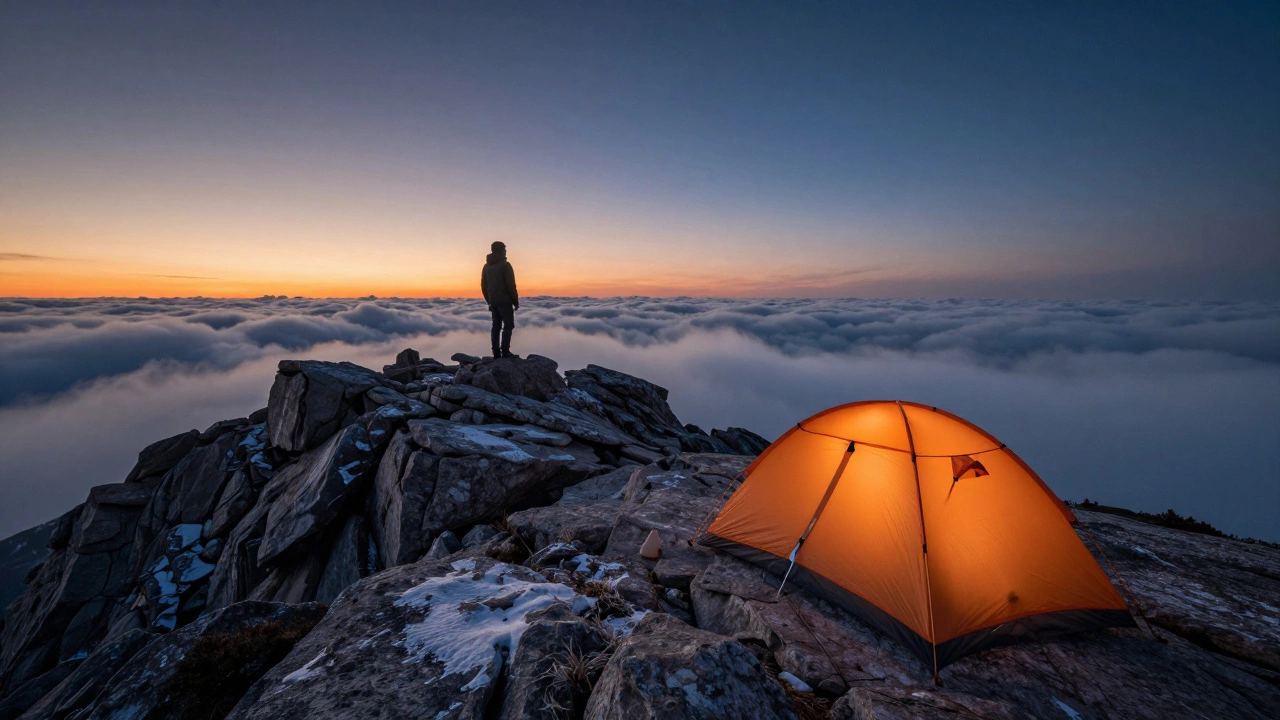
It’s not about suffering for the sake of suffering. It’s about accessing places that few others see. When you wake up above the clouds, watching the sun illuminate the peaks below, the discomfort of the journey fades into memory.
Essential Gear for High-Altitude Sleep
Your gear list for vertical camping looks different than your weekend warrior pack. Weight is critical, but warmth and protection are non-negotiable. Here’s what you need to prioritize.
| Item | Standard Backpacking | Vertical Camping Requirement |
|---|---|---|
| Tent | 3-season, freestanding | 4-season, geodesic dome, wind-resistant |
| Sleeping Bag | Rated to 0°C (32°F) | Rated to -10°C (14°F) or lower, mummy shape |
| Sleeping Pad | Inflatable foam, R-value 3.0 | Insulated pad, R-value 5.0+, closed-cell backup |
| Stove | Canister stove, multi-fuel | Integrated canister system, liquid fuel (white gas) for cold reliability |
| Navigation | Phone app, paper map | GPS device, compass, detailed topographic map |
Notice the emphasis on wind resistance and insulation. At altitude, wind chill can drop temperatures by 15 degrees instantly. A standard tent will collapse in a gale. You need a four-season tent with strong poles and robust fabric. Brands like MSR, Hilleberg, and Black Diamond dominate this space because their designs withstand sustained winds.
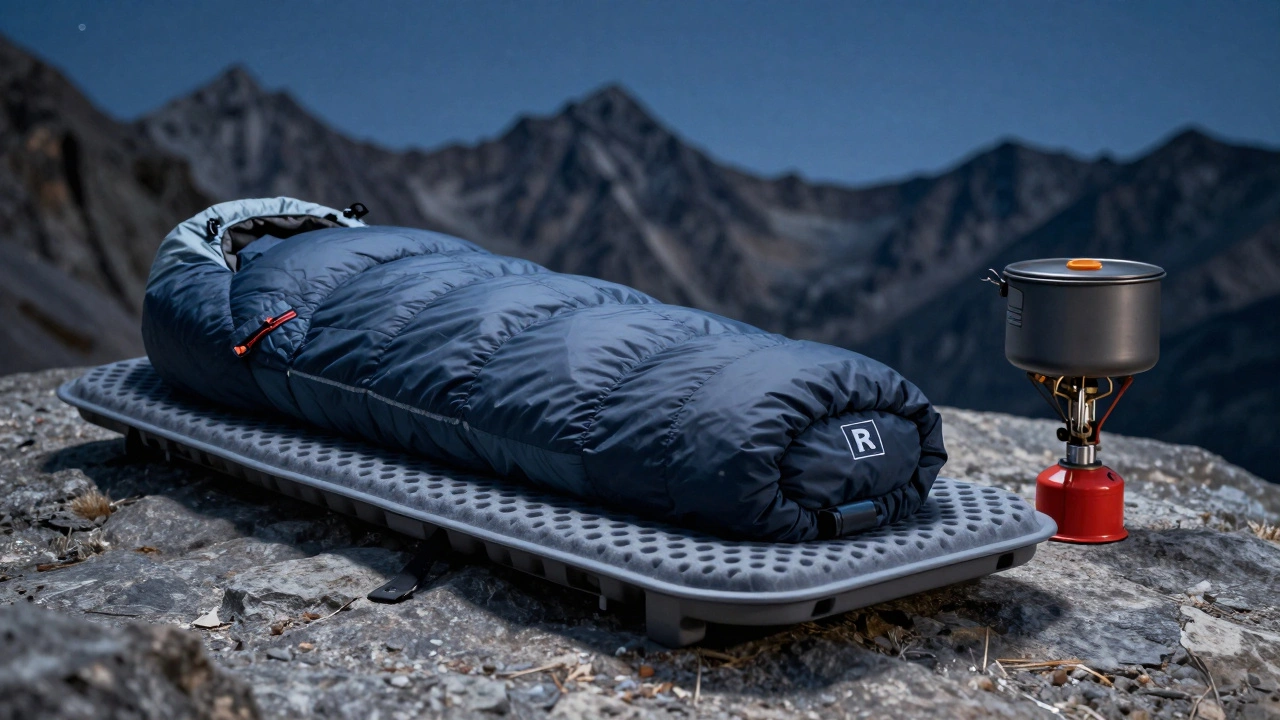
Sleeping systems are equally important. Heat loss through the ground is rapid. An R-value of 5.0 or higher ensures you don’t freeze against the rock or snow. Consider using a closed-cell foam pad under your inflatable pad. If the inflatable punctures, you still have insulation. Redundancy saves lives.
Physiological Challenges: Altitude Sickness
One of the biggest risks in vertical camping is acute mountain sickness (AMS). Above 2,500 meters (8,200 feet), the air contains less oxygen. Your body struggles to adapt. Symptoms include headache, nausea, dizziness, and fatigue. If ignored, AMS can progress to High Altitude Pulmonary Edema (HAPE) or Cerebral Edema (HACE), both of which are life-threatening.
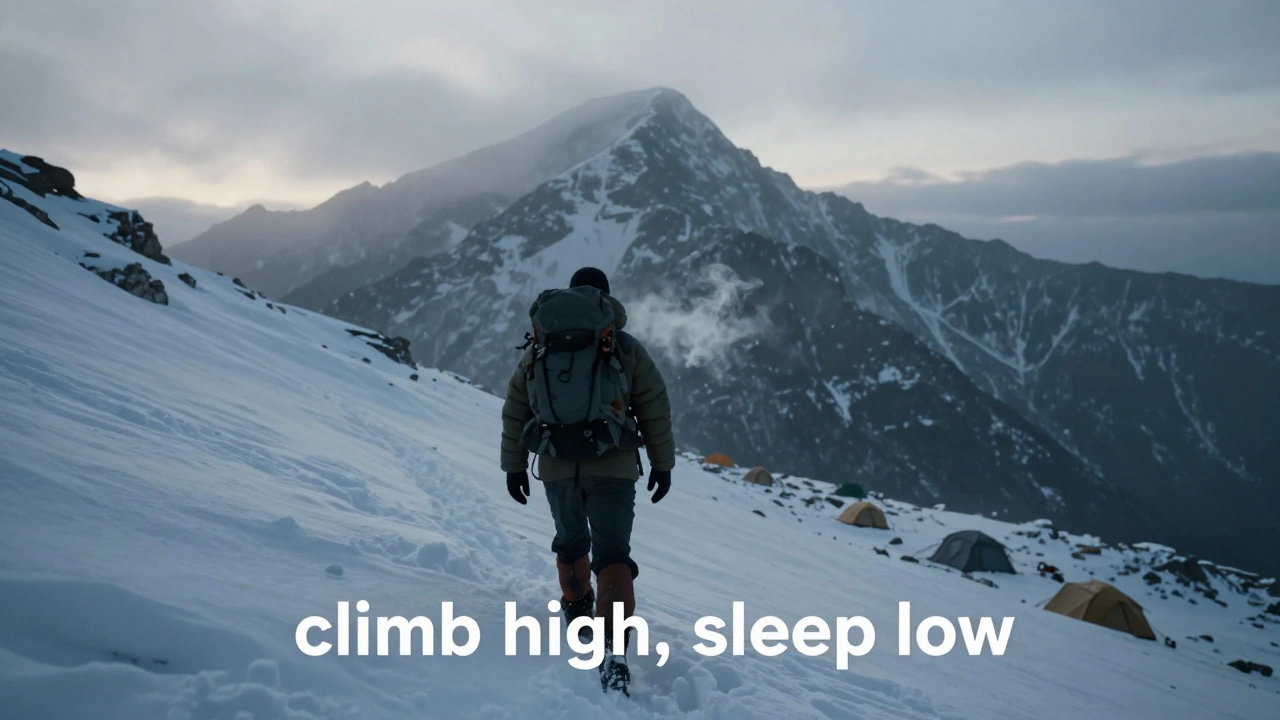
How do you prevent it? Climb high, sleep low. This means hiking up to a higher point during the day but descending to a lower elevation to sleep. This allows your body to acclimatize gradually. Drink plenty of water-dehydration worsens altitude sickness. Avoid alcohol and sedatives, as they depress breathing during sleep.
If you feel severe symptoms, descend immediately. No amount of medication will fix HAPE or HACE. Oxygen helps, but getting to lower altitude is the only cure. Always inform someone of your itinerary before heading out. In remote vertical zones, cell service is nonexistent.
Nutrition and Hydration at Height
Your metabolism speeds up at altitude. You burn more calories just to breathe and maintain body temperature. A typical hiker burns 2,500 calories a day. A vertical camper might burn 4,000 or more. You need calorie-dense foods that are easy to eat when you’re exhausted and cold.
- Fat-rich snacks: Nuts, chocolate, cheese, and nut butter packets provide sustained energy.
- Carbohydrates: Pasta, rice, and instant oatmeal are quick to cook and digest.
- Electrolytes: Sweating loses salts. Replace them with electrolyte tablets or powder drinks.
- Hydration strategy: Water freezes easily. Keep your water bottle inside your jacket or use insulated covers. Drink before you’re thirsty. Dark urine is a sign of dehydration.
Cooking at altitude is tricky. Water boils at a lower temperature (around 90°C at 3,000 meters). This means food takes longer to cook. Instant meals work well because they require minimal heating. Dehydrated soups rehydrate quickly with hot water. Plan meals that require little effort. When you’re tired, chopping vegetables is not appealing.
Safety and Navigation in Remote Terrain
Getting lost in vertical terrain is dangerous. Trails disappear above the treeline. Snow cover can hide paths in spring and autumn. You need reliable navigation tools.
A GPS device with pre-loaded maps is essential. Phone batteries die faster in the cold. Keep your phone warm in an inner pocket and carry a power bank. Learn to read topographic maps. Contour lines show elevation changes. Understanding them helps you identify safe routes and avoid cliffs or avalanche zones.
Weather changes fast. Check forecasts before you go, but expect them to be wrong. Clouds roll in quickly. Temperatures drop after sunset. Carry emergency shelter, such as a bivy sack or space blanket. These weigh almost nothing but can keep you alive if you’re stranded overnight.
Leave a trip plan with a trusted contact. Include your route, expected return time, and emergency contacts. If you don’t check in, they know to call for help. This simple step has saved countless lives.
Environmental Impact: Leave No Trace
High-altitude ecosystems are fragile. Vegetation grows slowly. Footprints can last for years. To protect these environments, follow strict Leave No Trace principles.
- Use established campsites: Don’t create new trails. Camp on durable surfaces like rock or gravel, not on vegetation.
- Pack out all waste: This includes toilet paper and human waste. Use wag bags (waste collection bags) if facilities aren’t available.
- Minimize fire impact: Fires are often prohibited above the treeline due to wind risk and lack of fuel. Use a stove instead.
- Respect wildlife: Animals are scarce at altitude. Give them space. Don’t feed them.
Vertical camping leaves a small footprint physically, but a large impact environmentally if done carelessly. Be mindful. The mountains belong to everyone, including future generations.
Getting Started: Your First Vertical Camp
Don’t start with Everest. Begin with a local peak above the treeline. Test your gear in backyard conditions first. Sleep in your tent with the door open to simulate cold nights. Practice setting up your stove in the dark.
Join a guided group for your first trip. Guides know the terrain, weather patterns, and safety protocols. They can teach you skills you won’t learn from books. After a few guided trips, try leading your own short excursions.
Vertical camping is a skill built over time. Respect the mountain. Prepare thoroughly. And enjoy the view from the top.
Is vertical camping dangerous?
Yes, vertical camping carries inherent risks due to altitude, weather, and isolation. However, with proper preparation, gear, and knowledge, these risks can be managed. Always assess your fitness level, check weather forecasts, and never underestimate the mountain.
What is the best tent for vertical camping?
A four-season, geodesic dome tent is ideal. Look for models with strong pole structures, waterproof fabrics, and good ventilation. Brands like MSR Hubba Hubba NX, Hilleberg Nallo, and Black Diamond Firstlight are popular choices among alpinists.
How do I prevent altitude sickness?
Prevent altitude sickness by ascending gradually, staying hydrated, and avoiding alcohol. Follow the "climb high, sleep low" principle. If symptoms persist, descend immediately. Medications like acetazolamide can help but should be used under medical advice.
Can I cook at high altitudes?
Yes, but cooking takes longer because water boils at a lower temperature. Use a reliable stove designed for cold weather, such as a white gas stove or integrated canister system. Pre-chopped or dehydrated meals save time and effort.
Do I need special permits for vertical camping?
Permit requirements vary by location. National parks and protected areas often require wilderness permits for overnight stays. Check with local authorities or park services before your trip. Some regions also restrict camping near sensitive ecosystems.