UK Camping Planner & Cost Estimator
Lake District
Hiking & LakesScottish Highlands
WildernessCornwall Coast
Beaches & SunDartmoor
Moors & History2. Trip Details
Trip Estimate & Guide
Estimated Total Cost
Select a region to get personalized advice.
You pack your tent, check the forecast, and look at a map of the United Kingdom. It looks green, rugged, and inviting. But then you hear the stories about the rain. You wonder if it is actually worth the effort. Is the UK good for camping?
The short answer is yes. In fact, it might be one of the best places on Earth for it, provided you know where to go and when. The UK offers a unique mix of ancient forests, dramatic coastlines, and rolling hills that you can reach in an hour from most cities. However, it also comes with strict rules and unpredictable weather that can catch the unprepared off guard.
If you are planning a trip in 2026, this guide breaks down exactly what makes British camping special, where the hidden gems are, and how to avoid the common pitfalls that ruin trips for beginners.
The Landscape: Why the Terrain Wins
When people ask if the UK is good for camping, they are usually asking about the scenery. And honestly, it is hard to beat. The density of natural beauty here is staggering. You do not need to drive for hours to find a mountain or a beach. This accessibility is the UK's biggest advantage over larger countries like the US or Canada.
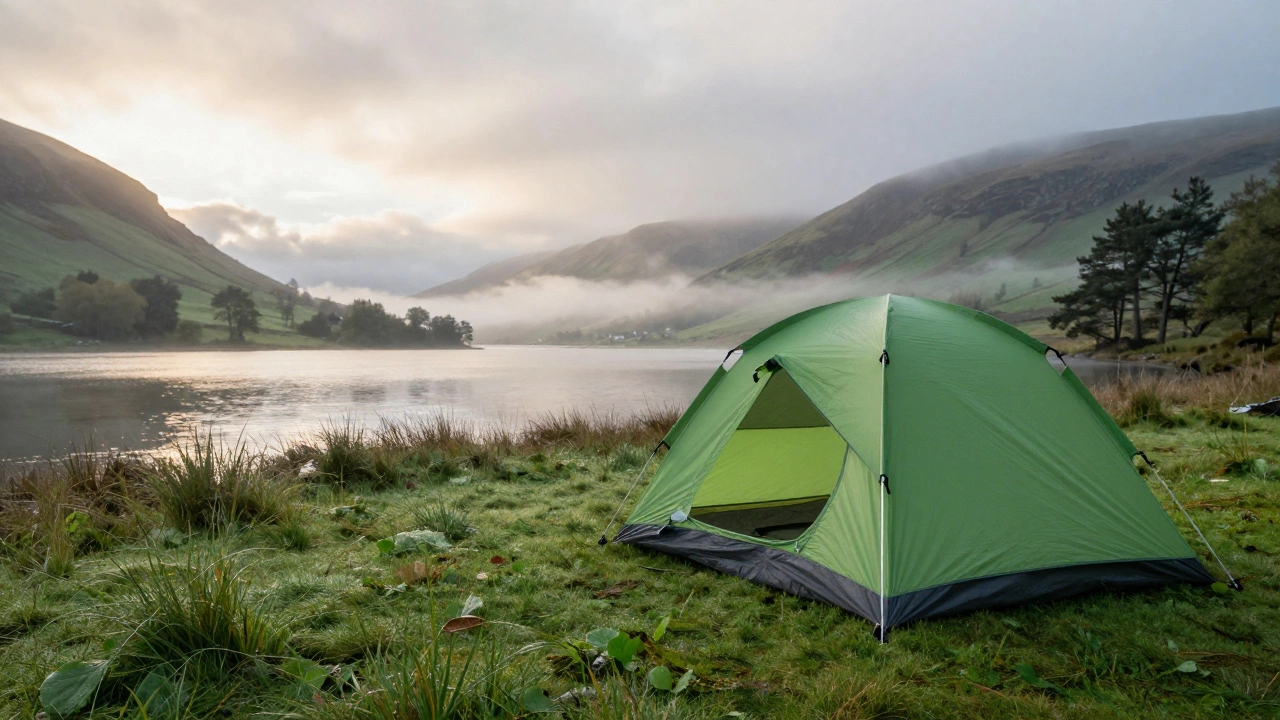
The Lake District is a national park in North West England known for its lakes, mountains, and valleys. It is often cited as the birthplace of hiking culture in Britain. The terrain here is soft underfoot, mostly peat and grass, which is gentle on your knees but requires waterproof boots. The campsites here are well-established, offering everything from basic pitches to luxury glamping pods.
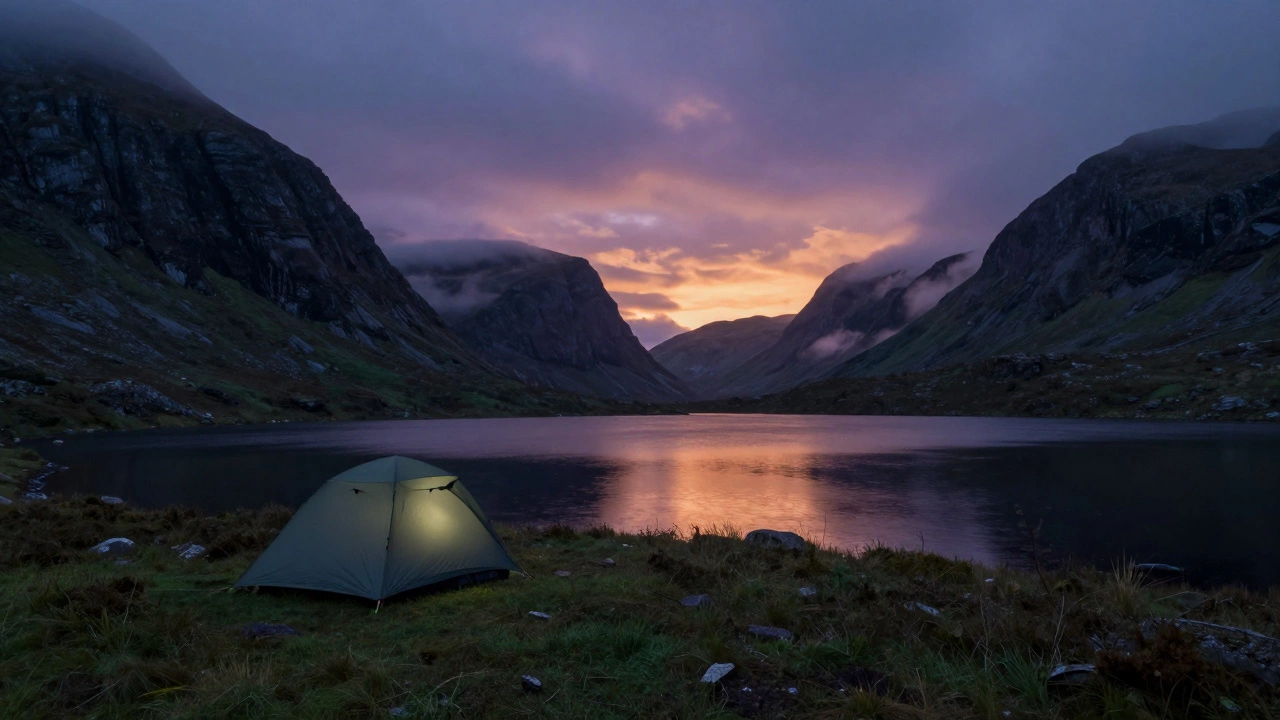
Then there is The Scottish Highlands the mountainous region in northern Scotland characterized by lochs, glens, and sparse population. If you want isolation, this is it. The scale is massive. You can set up camp next to a loch (that is Scottish Gaelic for lake) and see no other human for miles. The light in summer is incredible, with the sun staying up until nearly midnight during the peak months.
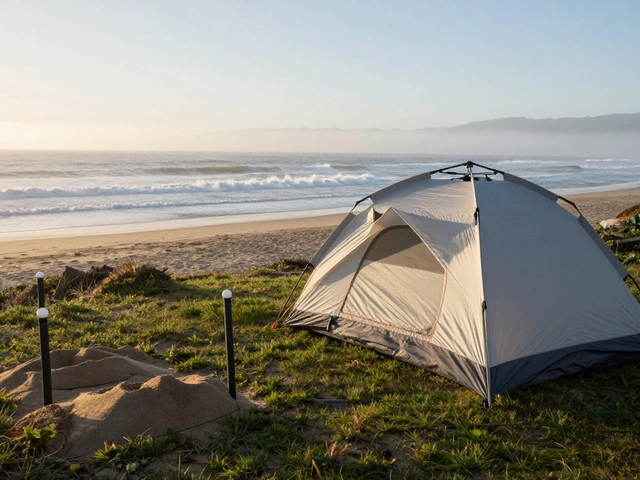
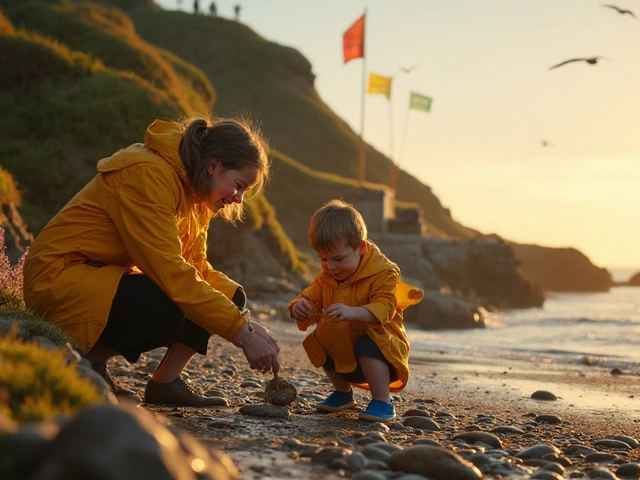
For those who prefer sand to stone, the Cornwall Coast is a peninsula in South West England famous for its rugged coastline, sandy beaches, and cliffs. Camping here means waking up to the sound of waves and having breakfast with a view of the Atlantic. It is warmer than the north, though still subject to sudden showers.
| Region | Best For | Weather Risk | Crowd Level |
|---|---|---|---|
| Lake District | Hiking & Lakes | High Rain | Very High (Summer) |
| Scottish Highlands | Wilderness & Solitude | Extreme Wind/Rain | Low |
| Cornwall | Beaches & Sun | Moderate | High (July/August) |
| Dartmoor | Moors & History | High Wind | Moderate |
The Weather Reality Check
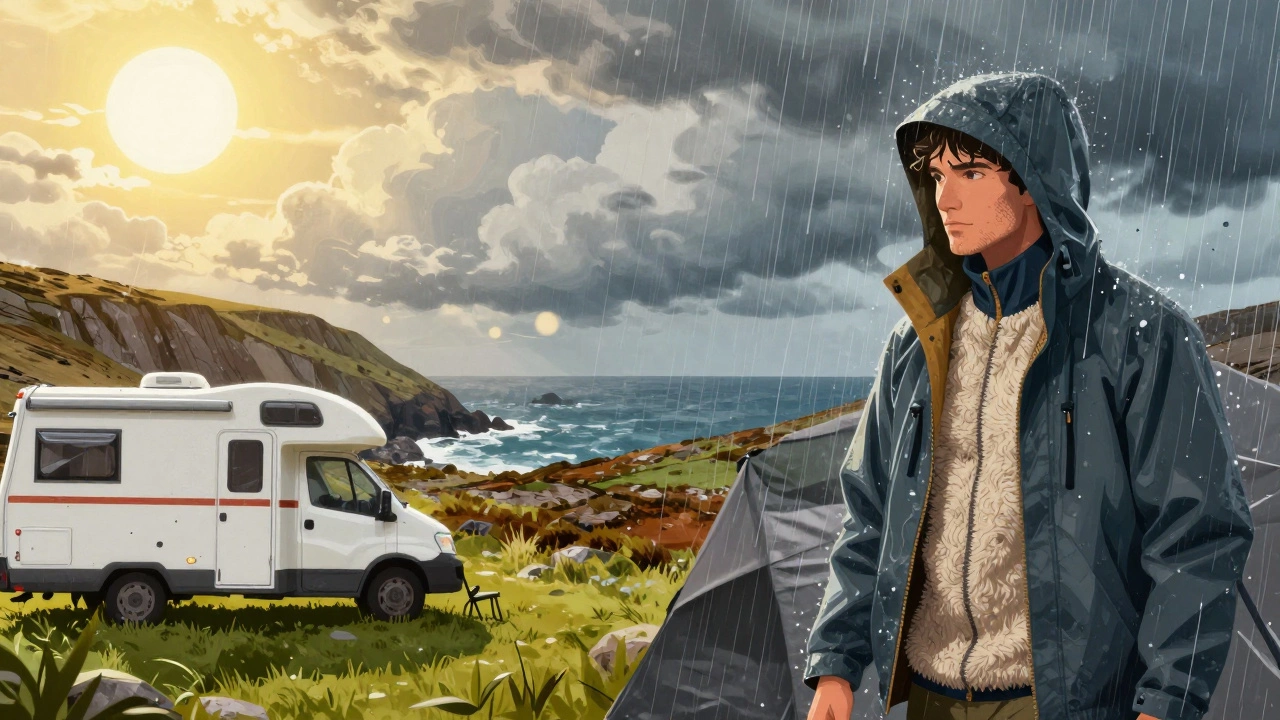
Let us address the elephant in the room: the rain. If you are coming from a dry climate, the UK humidity will feel heavy. The air feels wet even when it is not raining. This is crucial for camping because dampness seeps into tents, sleeping bags, and clothes.
However, calling it "bad" weather is unfair. It is just variable. You can experience four seasons in one day. One minute you are sweating in a t-shirt, the next you need a fleece. This variability means you cannot rely on a single-layer clothing strategy. Layering is not a suggestion; it is a survival skill here.
The best time to camp in the UK is between May and September. July and August offer the warmest temperatures, often reaching 25°C (77°F), but they are also the most crowded and expensive. May and June provide long daylight hours with fewer tourists and slightly cooler nights, which many seasoned campers prefer. September is a hidden gem; the crowds have left, the berries are ripe, and the weather is often stable, though shorter days mean less hiking time.
Avoid October to April unless you are an extreme cold-weather camper. The ground becomes waterlogged, mud is everywhere, and daylight vanishes by 4 PM. Many commercial campsites close during these months due to poor conditions.
Commercial Campsites: Comfort and Convenience
Most visitors to the UK will stay at a commercial campsite. These are regulated, safe, and offer amenities that make life easier. Organizations like The Caravan and Motorhome Club is a membership organization representing caravan and motorhome owners in the UK maintain high standards for their affiliated sites. Expect clean toilets, hot showers, drinking water taps, and sometimes even Wi-Fi and electric hookups.
In 2026, the booking landscape has changed. You can no longer just turn up and hope for a pitch. Popular sites in the Peak District or Cornwall book out six months in advance. Use platforms like Pitchup.com or the official National Trust website to secure your spot early. Prices vary wildly. A basic pitch in a rural area might cost £15-£20 per night for two people and a tent. In prime locations near tourist attractions, expect to pay £30-£50+ per night.
Look for awards like the Green Tourism Star Rating. These sites prioritize sustainability, using solar power, composting toilets, and local food sources. This matters more now as travelers become more conscious of their environmental footprint.
Wild Camping: The Legal Maze
This is where things get complicated. Wild camping-sleeping outside in designated campsites-is treated differently across the UK. Understanding the law is critical to avoiding fines or confrontations with landowners.
England and Wales: Wild camping is generally illegal on private land without permission. While enforcement varies, you risk being asked to leave or facing legal action. Some areas, like Dartmoor, have tolerated it historically, but tensions are rising. Always seek permission from the landowner if possible. The Countryside Code emphasizes respecting private property.
Scotland: This is the exception. Thanks to the Land Reform (Scotland) Act 2003, legislation that established the right to roam and access most land in Scotland for recreation, you have a legal right to wild camp almost anywhere, as long as you follow responsible guidelines. Do not camp near houses, block roads, or cause damage. Leave no trace. This freedom is why Scotland remains a top destination for wild campers worldwide.
National Parks: Even in England and Wales, some National Parks have specific bylaws allowing wild camping in certain zones. Check the specific park’s website before you go. For example, the Lake District has restricted wild camping significantly in recent years due to overcrowding and litter issues.
Costs and Budgeting for 2026
Is camping in the UK cheap? It can be, but inflation has hit the outdoor sector hard. Fuel prices remain volatile, and food costs have risen. Here is a realistic breakdown for a week-long trip for two people in mid-2026:
- Accommodation: £150-£350 depending on location and site quality.
- Food: £100-£150 if you cook your own meals. Eating out quickly adds up.
- Transport: Variable. If you fly into London and rent a car, budget £300+ for fuel and rental. Train travel is cheaper but limits flexibility.
- Gear: Assuming you already own it. If buying new, a decent tent starts at £100, sleeping bags at £50.
To save money, consider joining the Youth Hostels Association (YHA) is a network of hostels across the UK offering affordable accommodation. They often have camping fields attached to their hostels, providing a middle ground between wild camping and full-service sites. Membership discounts can shave 10-20% off nightly rates.
Safety and Wildlife
The UK is remarkably safe for camping. Violent crime in remote areas is rare. Your biggest risks come from nature itself. Hypothermia is a real danger, even in summer, if you get soaked and stay wet. Always have a dry change of clothes and a reliable way to start a fire (where permitted).
Wildlife concerns are minimal compared to other continents. There are no bears, wolves, or dangerous snakes. However, ticks are present in wooded areas, particularly in the Lake District and New Forest. Lyme disease is a risk. Wear long pants, use insect repellent, and check your body for ticks after hikes. Adders (venomous snakes) exist but are shy and rarely bite humans. Keep your distance if you see one.
Rip currents on beaches are a significant hazard. Never swim alone, and heed warning flags. The water temperature rarely exceeds 18°C (64°F), so hypothermia from swimming is a genuine threat for non-swimmers or those who stay in too long.
Planning Your Trip: Step-by-Step
Ready to go? Here is how to ensure your first UK camping trip is a success.
- Choose Your Region: Decide if you want mountains, moors, or beaches. Each has different weather patterns and activities.
- Book Early: For July/August, book 3-6 months ahead. For May/June, 1-2 months is usually sufficient.
- Check the Gear: Ensure your tent is waterproof. Test your sleeping bag rating against expected nighttime lows. Bring a ground sheet.
- Pack Layers: Base layer (moisture-wicking), mid-layer (fleece/wool), outer layer (waterproof/windproof). No cotton-it stays wet.
- Download Offline Maps: Mobile signal is patchy in many rural areas. Apps like OS Maps or AllTrails work offline.
- Respect Local Rules: Follow the Countryside Code. Close gates behind you. Take all trash home. Respect livestock.
Frequently Asked Questions
Can I wild camp anywhere in the UK?
No. Wild camping is only legally protected in Scotland under the Land Reform Act. In England and Wales, it is generally trespassing on private land unless you have explicit permission or are in a specific designated zone within a National Park.
What is the best month to camp in the UK?
July and August offer the warmest weather but are the busiest. May and June provide a great balance of good weather, long days, and fewer crowds. September is excellent for solitude and mild temperatures.
Do I need a permit to camp in National Parks?
For commercial campsites, no permit is needed beyond your booking. For wild camping, rules vary by park. Some, like Dartmoor, allow it informally, while others, like the Lake District, restrict it heavily. Always check the specific National Park authority website before arriving.
Is it safe to camp alone in the UK?
Yes, the UK is very safe for solo campers regarding personal security. However, you should always tell someone your plans and expected return time. Weather-related accidents are more common than criminal incidents, so preparation is key.
What should I pack for UK camping weather?
Essentials include a waterproof jacket and trousers, sturdy waterproof hiking boots, thermal base layers, a warm fleece, and a sleeping bag rated for at least 5°C (41°F) even in summer. A compact umbrella is also surprisingly useful for moving between your tent and facilities.