RV 444 Rule Simulator
Test if your planned stop complies with the "444 Rule" of stealth camping. This is not a law, but a social contract to avoid fines and neighbor complaints.
How it Works
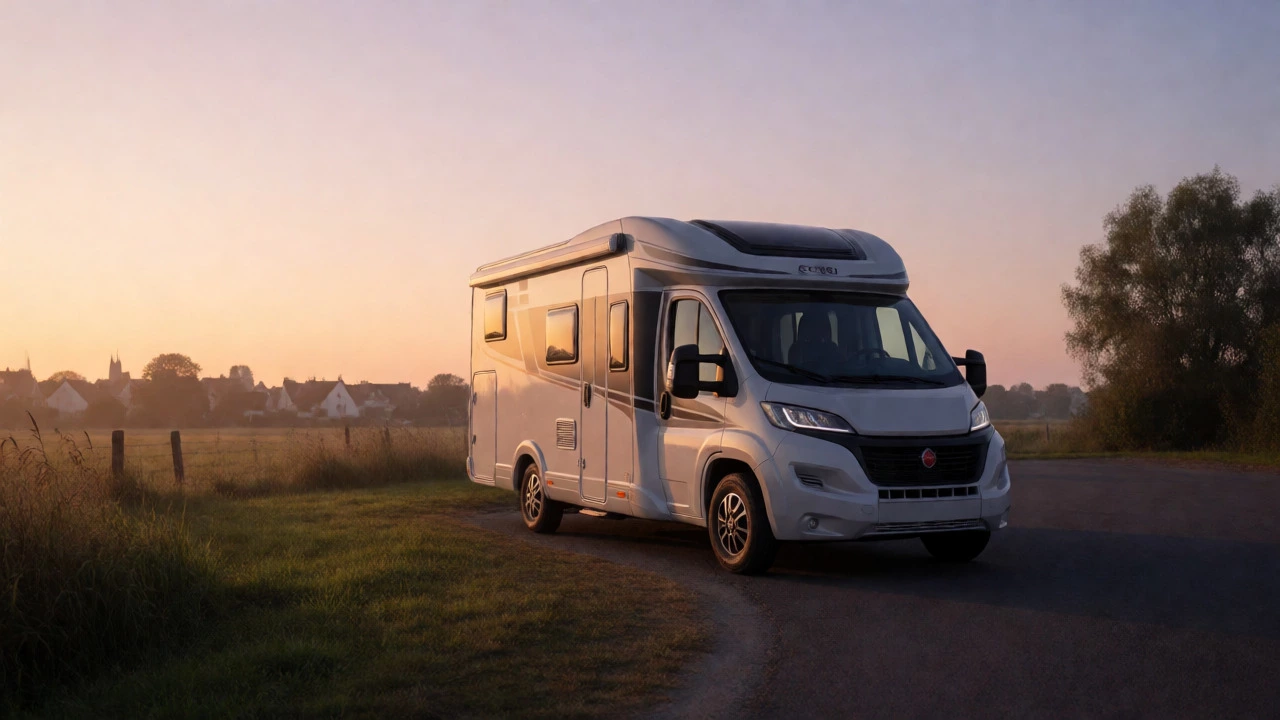
The 444 Rule suggests: 4 Hours Max Stay, 4 PM Arrival (or later), and 4 AM Departure (or earlier). Use this tool to see if your itinerary fits these guidelines to minimize disturbance to locals.
You’ve just picked up your keys to a shiny new motorhome, a self-contained recreational vehicle equipped with living quarters. The road is open, the coffee is brewing, and you’re ready to chase the horizon. But then it hits you: where can you actually stop for the night? If you’ve spent any time in online camper communities or read through rental agreements, you’ve likely heard whispers of the "444 rule." Is it law? Is it a myth? And does it apply to you?
Here’s the truth: there is no universal legal statute called the "444 rule" that governs every highway on earth. It’s not written in stone by the Department of Transportation or the local council. Instead, the 444 rule is a widely accepted camping etiquette guideline-a code of conduct adopted by the community to keep wild camping viable for everyone. Think of it less as a law and more as a social contract. Ignoring it might not get you a fine immediately, but it will definitely get you side-eye from locals and potentially stricter regulations in the future.
| Component | Definition | Why It Matters |
|---|---|---|
| 4 Hours | Maximum duration of stay at one spot. | Prevents your site from looking like a permanent residence, reducing visual impact on neighbors. |
| 4 PM Arrival | Arrive after 4:00 PM (or late afternoon). | Avoids disrupting morning routines of residents; ensures you aren't blocking views all day. |
| 4 AM Departure | Leave before 4:00 AM (or early morning). | Minimizes noise disturbance during sleeping hours; clears the spot for daytime use. |
Decoding the Numbers: What Does 4-4-4 Actually Mean?
The concept is deceptively simple, which is why it stuck. When people refer to the 444 rule, they are usually talking about three specific constraints designed to minimize your footprint when you’re not staying at a designated campground. Let’s break down each number because, frankly, getting these wrong is the fastest way to become the most hated camper in town.
First, the four-hour limit. This doesn’t mean you have to drive away exactly four hours after parking. It means your presence should be transient. You’re passing through, not moving in. If you park your rig in a layby, a quiet residential street, or a public beach access point, you shouldn’t set up chairs, awnings, or grills. Keep the vehicle closed up. If you’re there longer than four hours, you’re likely testing the patience of anyone who lives within shouting distance.
Second, the 4 PM arrival window. Why wait until late afternoon? Because that’s when the neighborhood winds down. Arriving at 10 AM signals that you plan to occupy this space for the entire day, blocking sightlines and creating congestion. By waiting until the sun starts dipping, you signal respect for the daily rhythm of the location. You’re squeezing into the margins of their day, rather than taking center stage.
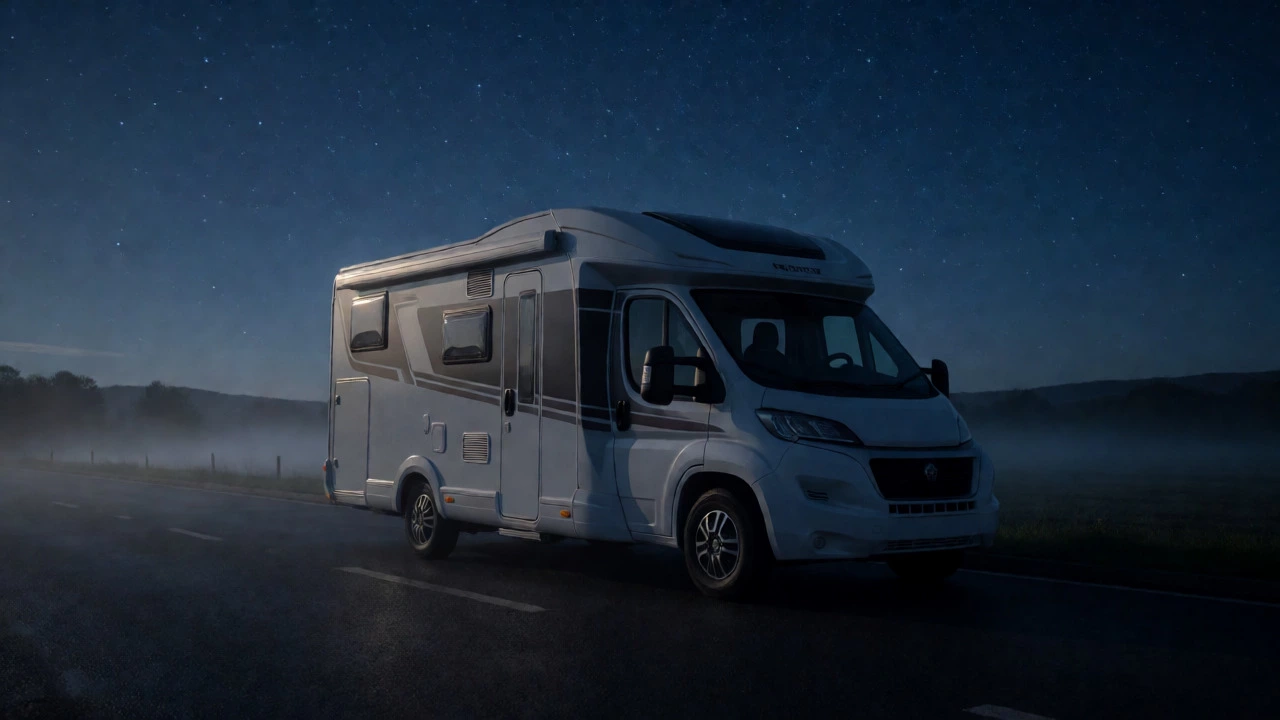
Third, the 4 AM departure target. This is the hardest part for many travelers. Waking up at 4 AM sounds brutal, especially if you’re on holiday. However, the goal here is silence. Most campsites enforce quiet hours starting around 10 PM. Conversely, waking up the neighbors with generator hums or door slams at 6 AM is a surefire way to get a complaint filed. Leaving before dawn-or at least keeping everything completely silent-ensures you vanish before the world wakes up.
Is the 444 Rule Legally Binding?
This is the question that keeps many renters awake at night. They worry that breaking an "unwritten rule" will result in a hefty fine. The answer depends entirely on where you are parked. In Australia, for example, rules vary wildly between states. In New South Wales, free camping, the practice of camping without paying fees at designated sites, is heavily regulated by local councils. Some allow overnight stays in specific areas for up to 24 or 48 hours, provided you are self-contained. Others ban it entirely outside of approved rest areas.
In the United States, federal land often allows dispersed camping for up to 14 days, but state parks and private lands have their own strict timelines. The 444 rule isn’t a law; it’s a heuristic. It’s a safe harbor. If you follow it, you are unlikely to attract attention from authorities or angry locals. If you ignore it, you enter a gray zone where enforcement becomes subjective. A police officer might wave you along, or they might ask you to move. A neighbor might ignore you, or they might call the non-emergency line.
So, while the 444 rule itself isn’t codified in legislation, adhering to it helps you comply with broader laws regarding nuisance, obstruction, and short-term parking limits. It acts as a buffer against fines by keeping your behavior well within what is generally considered reasonable.
When Should You Ignore the 444 Rule?
Context is king. Blindly applying the 444 rule everywhere can actually ruin your trip. There are scenarios where this guideline simply doesn’t fit, and knowing when to break it is part of being a smart traveler.
- Designated Rest Areas: Many highway rest stops explicitly allow overnight parking for 8 to 12 hours. Here, the 444 rule is too restrictive. You can sleep comfortably without worrying about leaving at 4 AM. Just check the signage.
- Private Land with Permission: If you’ve arranged to park on a farm or a vineyard, you’re a guest. Follow their house rules, which usually involve staying put until checkout time, regardless of the hour.
- Emergency Stops: If you’re fatigued and need to pull over at 2 PM for safety, do it. Safety trumps etiquette. Just try to leave as soon as you’re rested.
- Remote Wilderness: In vast national forests or outback tracks where there are no neighbors, the social pressure vanishes. You can stay for days. The 444 rule is primarily for semi-public or semi-private spaces where human interaction is possible.
Conversely, there are places where even the 444 rule is too generous. Residential streets in dense urban areas often prohibit overnight parking altogether, regardless of how quietly you arrive. Always check local signage before settling in.
Practical Tips for Mastering Stealth Camping
Adhering to the 444 rule requires preparation. You can’t just roll up and hope for the best. You need to be efficient and invisible. Here is how to execute the maneuver smoothly.
Scout Ahead: Don’t hunt for a spot at dusk. Use apps like Park4Night or iOverlander to identify potential spots earlier in the day. Verify them via satellite view if possible. Look for laybys that don’t block driveways or fire hydrants.
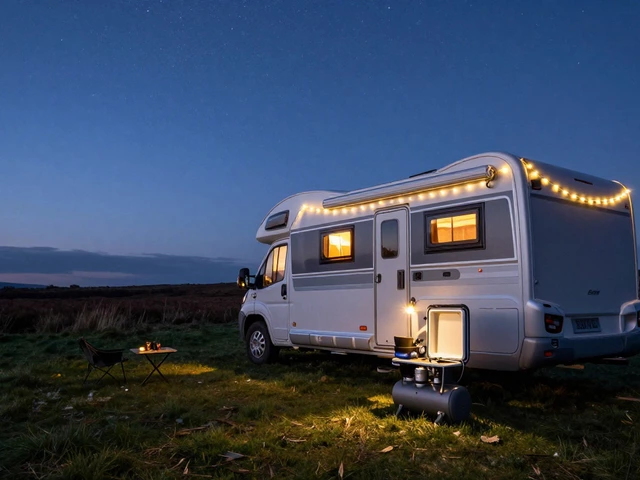
Keep It Low Profile: Your motorhome should look like a car that stopped for a break. No tables out. No cooking smells wafting through the neighborhood. If you need to cook, do it inside with ventilation, or save it for a proper campsite later. The moment you deploy an awning, you’ve signaled "resident," not "transient visitor."
Manage Waste Strictly: This is non-negotiable. Never dump grey water or black water on the roadside unless there is a specific station. Carry a portable toilet or ensure your tanks are sealed. Litter is the enemy of stealth camping. Pack out everything you pack in. If you leave behind a single wrapper, you’ve ruined the spot for the next person and confirmed the locals' bias against campers.
Be Ready to Go: Since you’re aiming for a 4 AM exit, pack your gear the night before. Keys in pocket, engine warm-up planned. If you wake up at 3:30 AM to a knock on the window, you want to be rolling out within two minutes, not fumbling with cords and stakes.
The Impact of Ignoring Etiquette
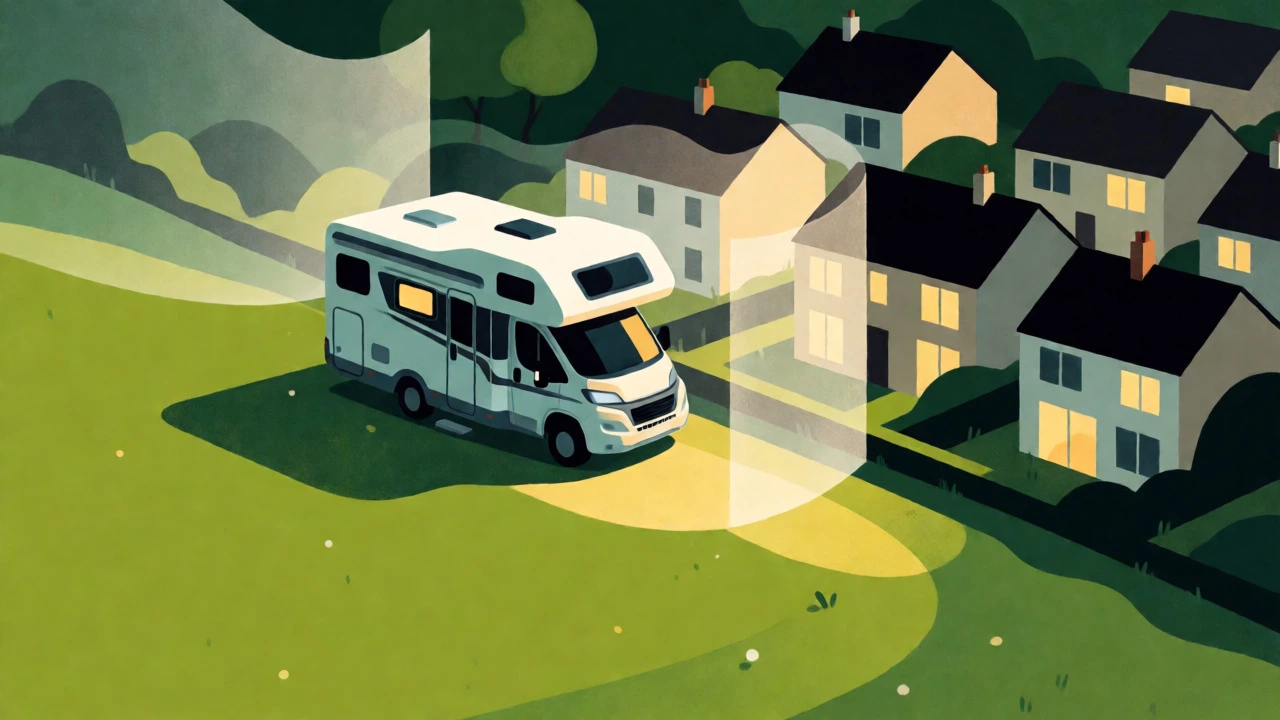
Why does this matter? Why not just park wherever you want? Because bad behavior leads to bans. We’ve seen countless beautiful beaches and quiet village greens lose their accessibility because a handful of campers treated them like personal resorts. They left trash, ran generators at midnight, and blocked roads. Local councils responded by installing concrete bollards or posting "No Parking" signs.
By following the 444 rule, you protect the privilege of free camping for others. You demonstrate that motorhomers are respectful guests, not nuisances. This goodwill translates into fewer restrictions and more welcoming communities. It’s a small price to pay for the freedom to roam.
Furthermore, respecting these norms enhances your own experience. When you blend in, you relax. You don’t spend the night listening for footsteps or watching headlights sweep across your windshield. You sleep better knowing you’re in good standing with your temporary neighbors.
Alternatives to the 444 Rule
If the idea of waking up at 4 AM makes you cringe, you’re not alone. Many travelers find the strictness of 444 stressful. Fortunately, there are alternatives that offer similar benefits without the alarm-clock anxiety.
Official Rest Areas: These are purpose-built for stopping. They often have toilets, picnic tables, and clear parking lines. You can stay for 12+ hours legally and comfortably.
Boondocking Sites: Platforms like AllStays or Campendium list approved boondocking spots where longer stays are permitted. These are often managed by land trusts or government bodies specifically to accommodate RVs.
Paid Overnight Stops: Sometimes, paying $10-$20 for a spot at a winery, brewery, or farm gives you peace of mind. You can run your AC, use your facilities, and sleep in past sunrise. For some, the cost is worth the comfort.
Friend’s Driveway: Apps like Boondockers Welcome connect travelers with hosts who offer driveway space. This bypasses public parking rules entirely, though you’ll need to be polite and perhaps share a meal.
Does the 444 rule apply to all countries?
No, the 444 rule is not a global standard. It is most commonly discussed in North American and Australian camping communities. In Europe, regulations are often stricter and vary significantly by municipality. Always research local laws before relying on this guideline.
Can I get fined for breaking the 444 rule?
You cannot be fined for breaking the "rule" itself because it is not a law. However, if you violate local parking ordinances (such as exceeding time limits or parking in restricted zones) while ignoring the spirit of the 444 rule, you can certainly receive a ticket. The rule is a tool to help you avoid those violations.
What counts as a 'self-contained' vehicle?
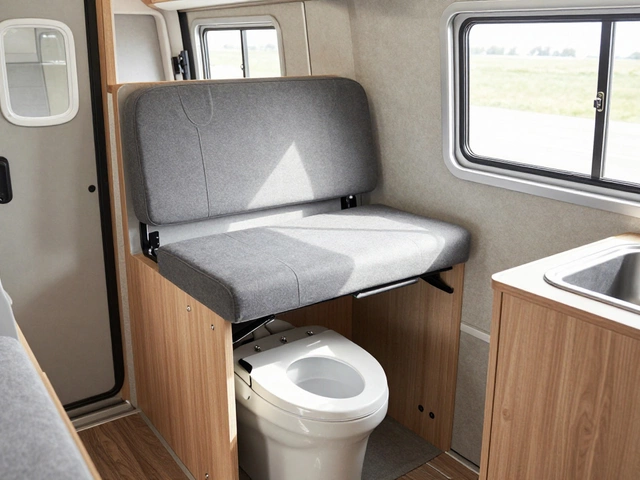
A self-contained vehicle typically has its own fresh water supply, waste water storage, and toilet facility, allowing it to stay on a site for at least 72 hours without needing external services. Many free camping spots require proof of self-containment, such as a certificate sticker on the vehicle.
Is the 444 rule still relevant in 2026?
Yes, absolutely. With the rise in motorhome popularity post-pandemic, overcrowding at free spots has increased. Adhering to etiquette guidelines like the 444 rule is more important than ever to prevent backlash from local communities and maintain access to wild camping areas.
Can I use my generator under the 444 rule?
Generally, no. Generators are noisy and disruptive. If you must use one, do so only during daylight hours (e.g., 9 AM to 6 PM) and never near sleeping hours. Ideally, rely on battery power or solar panels to remain silent and respectful.