Michigan Dispersed Camping Compliance Checker
Ensure you stay legal and respectful of the land. Check off each requirement before setting up camp in Michigan's public forests.
Pre-Campsite Checklist
-
Land Verification: Confirmed on USFS or MI DNR Public Land (not private).
-
Distance from Water: Site is at least 200 feet from any lake, stream, or pond.
-
Road Clearance: Vehicle is fully off the road shoulder; no traffic obstruction.
-
Fire Safety: Using established fire ring OR portable pan; checked for active burn bans.
-
Waste Management: Plan to pack out ALL trash (including TP) and bury waste 6" deep/200ft from water.
-
Noise Discipline: Generators/musical instruments off during quiet hours (10 PM - 6 AM).
-
Duration Limit: Staying less than 14 days within a 30-day period.
Compliance Score
Pro Tip: Finding the Spot
Use apps like iOverlander or Freecampsites.net to find specific pull-offs. Always cross-reference with official USFS or MI DNR maps to ensure the land status hasn't changed due to erosion closures or new regulations. Look for existing fire rings as a sign of previous legal use.
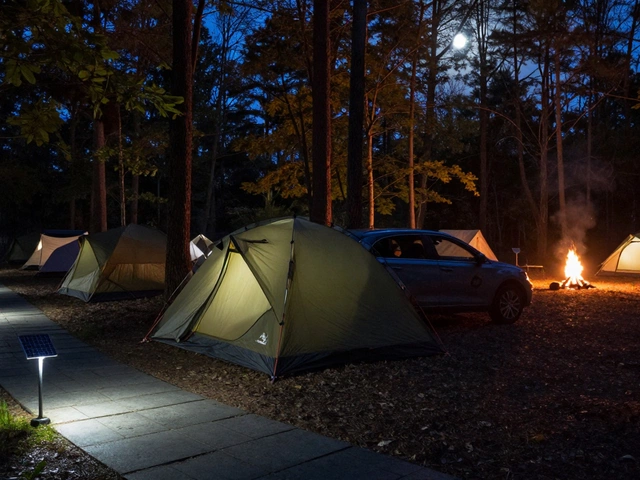
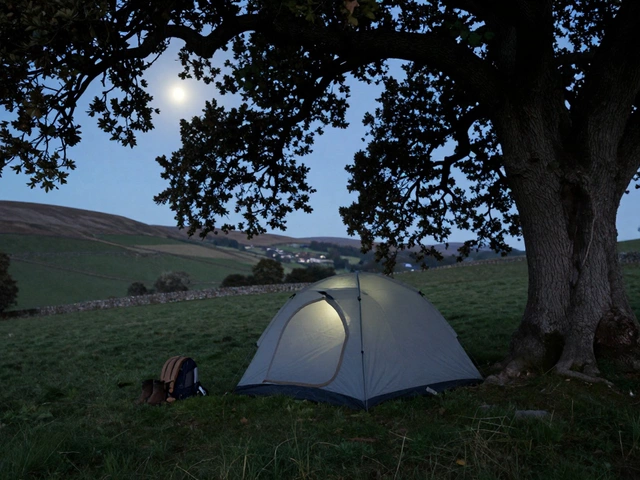
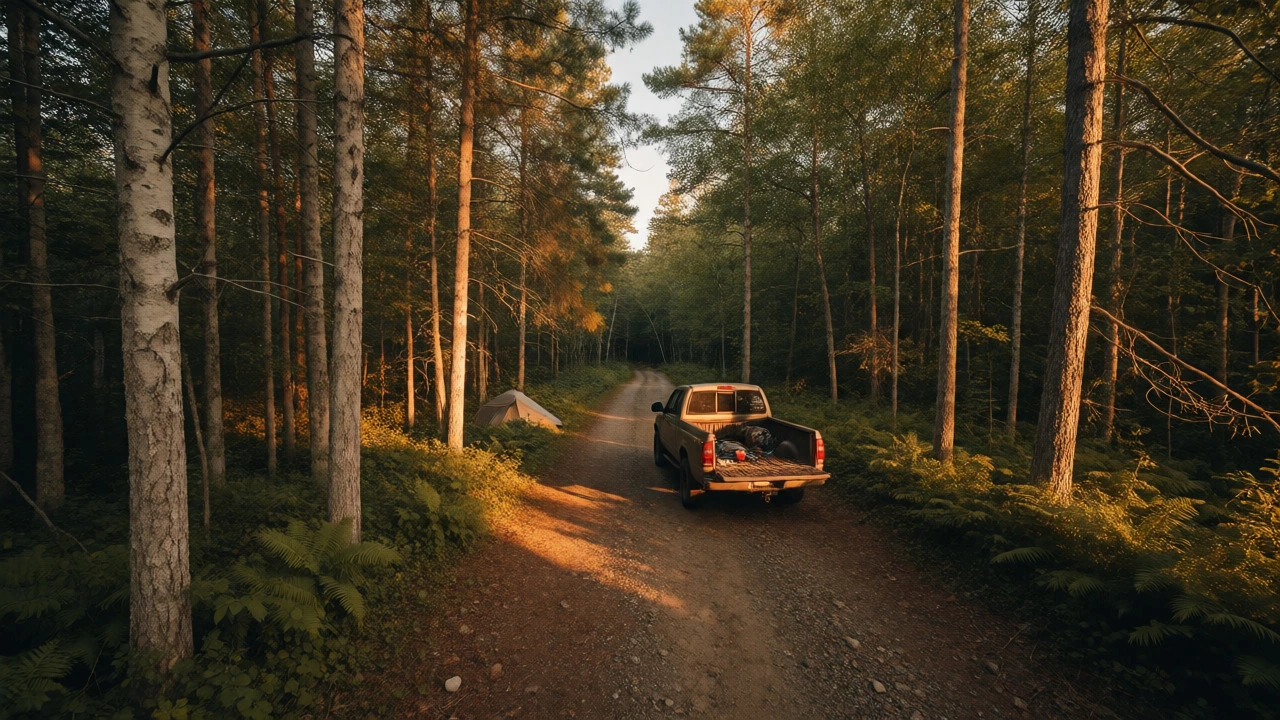
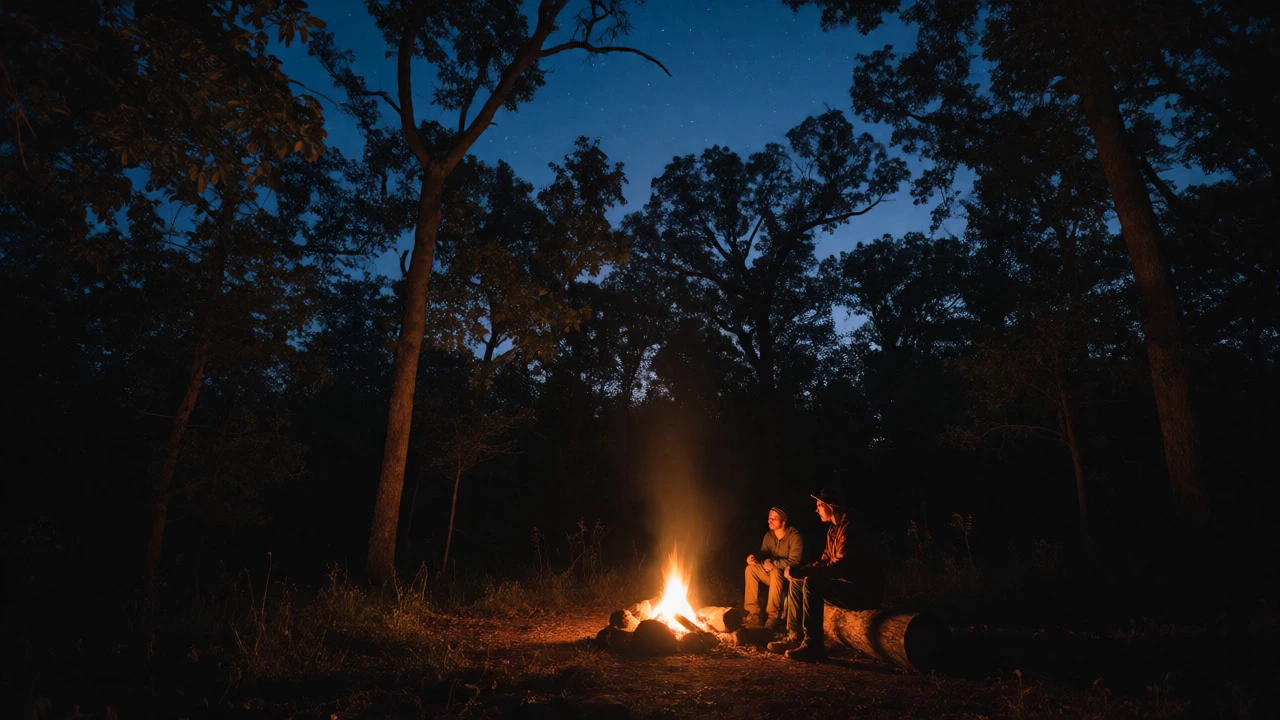
Imagine this: you pull your truck or RV onto a gravel road deep in the Upper Peninsula, kill the engine, and hear nothing but wind through the pines. No reservation fees, no check-in times, no neighbors blasting music at midnight. Just you, the stars, and a fire ring that’s been there longer than your grandparents. This is dispersed camping in Michigan, and it’s one of the best-kept secrets in the Midwest. But where exactly can you legally pitch a tent or park an RV without paying a dime? And more importantly, how do you avoid getting a ticket from a ranger who’s had too much coffee?
Michigan offers thousands of acres of public land where free camping is not just allowed-it’s encouraged. The key is knowing the rules. Most people assume "public land" means you can camp anywhere, but that’s a dangerous myth. In Michigan, the distinction between a developed campground and a dispersed site matters. Developed sites have amenities like toilets and water; dispersed sites are primitive, often requiring you to pack in water and pack out trash. Let’s break down exactly where to go, what the rules are, and which spots are worth the drive.
The Golden Rule: Public Land vs. Private Property
First things first: if you’re on private land, you need permission. Period. Michigan has a lot of mixed-use landscapes where public roads cut through private timberland. You might see a nice clearing, but unless it’s designated as public recreation land, you could be trespassing. The safest bet is sticking to lands managed by the US Forest Service or the Michigan Department of Natural Resources (DNR). These agencies maintain maps and regulations that tell you exactly where you can set up camp for free.
Here’s the basic rule of thumb for federal lands like national forests: you can usually camp for free for up to 14 days within a 30-day period. After that, you need to move at least five miles away. For state-managed lands, the rules vary by unit, so checking the specific DNR Recreation Unit map is non-negotiable. Ignoring this can lead to fines that quickly erase the savings of free camping.
Huron-Manistee National Forests: The Crown Jewel
If you want volume and variety, head to the Huron-Manistee National Forests. Covering over 978,000 acres across the Lower Peninsula, this is arguably the largest concentration of legal free camping spots in Michigan. It’s split into two main sections: the Manistee National Forest in the west and the Huron National Forest in the east. Both offer incredible access to rivers, lakes, and dense hardwood forests.
In the Manistee section, look for areas around the Manistee River. There are countless pull-offs along secondary forest roads that lead to small clearings with existing fire rings. These aren’t marked on standard tourist maps, so you’ll need a specialized map like those from Motor Press or the official USFS visitor maps. One popular area is near the town of Baldwin. While the main riverfront campgrounds charge fees, the roads branching off into the woods often have primitive sites scattered every few hundred yards.
| Location | Land Manager | Best For | Water Access | Vehicle Type |
|---|---|---|---|---|
| Huron-Manistee NF | US Forest Service | Riverside fishing, hiking | River/Lake (filter required) | Trucks, RVs, Tents |
| Ottawa National Forest | US Forest Service | Quiet solitude, snowmobiling | Lakes (filter required) | Tents, Small RVs |
| Aux Sable State Forest | MI DNR | Dunes, beach access | Lake Michigan (saltwater) | Overlanders, Tents |
| Otter Creek Trail Area | MI DNR | Muddy trails, remote feel | Creek (filter required) | ATVs, High-clearance vehicles |
Ottawa National Forest: The Quiet Alternative
While Huron-Manistee gets the hype, the Ottawa National Forest in southwestern Michigan offers a quieter experience. It’s smaller, covering about 386,000 acres, but it’s less crowded. If you’re looking to escape the summer rush, this is your spot. The terrain here is flat, dominated by oak and hickory trees, with plenty of wetlands and small lakes.
Look for dispersed sites along County Road F-44 or near the Black Lake Wildlife Management Area. These areas often allow camping outside of designated fee-based campgrounds. Because the land is flatter, setting up a tent is easier, but you might deal with more mosquitoes in late summer. Bring a good bug net. Also, note that some parts of the Ottawa NF are shared with hunting leases. During deer season, visibility is critical-wear blaze orange even if you’re just hiking to your campsite.
State Forests and Recreation Units
You don’t have to stick to federal land. The Michigan DNR manages dozens of State Forests and Recreation Units where dispersed camping is permitted. Unlike national forests, these areas sometimes have stricter local ordinances, so always check the specific unit’s brochure before you go.
One standout is the Aux Sable State Forest in Allegan County. It’s close to Lake Michigan, offering a unique blend of dune ecology and forest camping. You can find spots tucked into the pine plantations that provide excellent wind protection. Another gem is the Otter Creek Trail area in the northern Lower Peninsula. It’s rugged, muddy, and beautiful. Vehicles with high clearance are recommended here, especially after rain.
Pro tip: Many state recreation units have "primitive walk-in" sites that are technically free but require a short hike from your vehicle. If you’re car camping, look for signs indicating "Dispersed Camping Allowed" along the perimeter roads. If you see a sign saying "No Camping," believe it. Rangers patrol these areas regularly.
Upper Peninsula Wilderness
Head north, and the crowds disappear. The Upper Peninsula (UP) is where you find true wilderness. While many of the iconic spots like Pictured Rocks are paid, the surrounding state forests and national forests offer endless free options. The Ottawa National Forest extends into the UP, but the real magic happens in state parks’ peripheral zones and dedicated state forests like the Sand Point State Park area (check current status as regulations change).
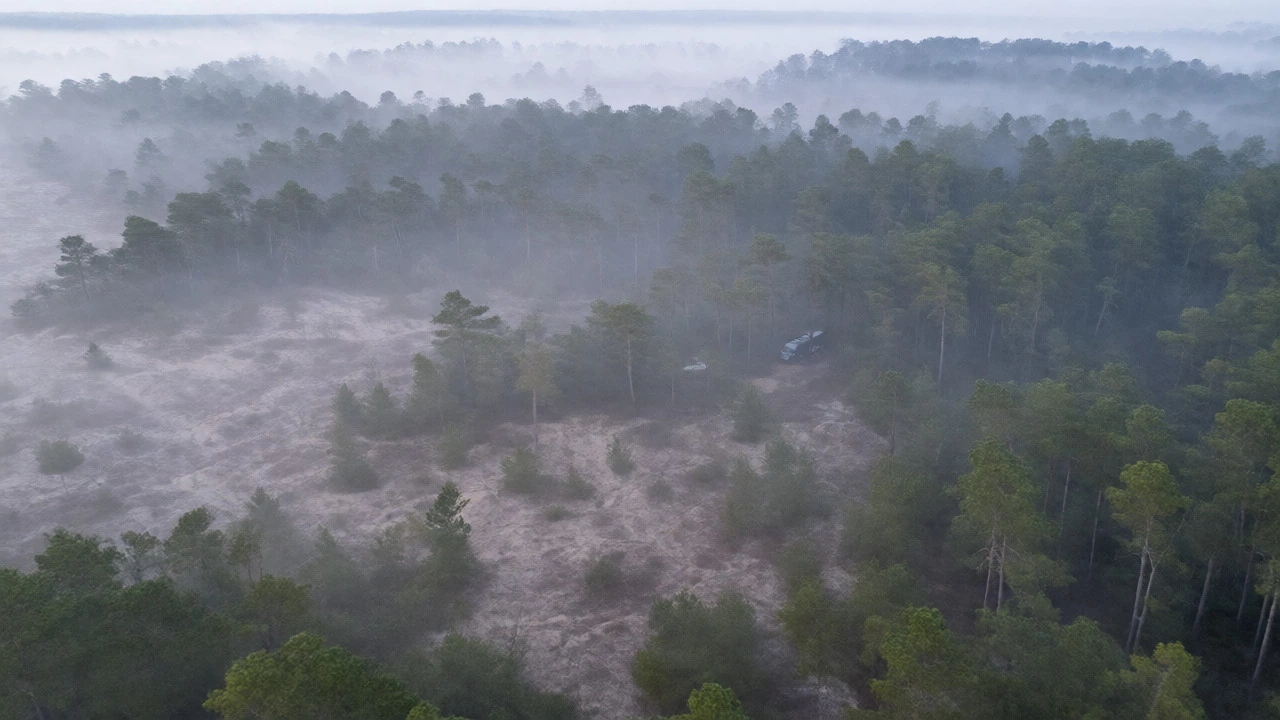
For serious adventurers, the Porcupine Mountains Wilderness State Park offers backcountry camping permits that are incredibly cheap, though not strictly "free" in the same way as dispersed camping. However, nearby state forests often allow free camping along logging roads. The views here are unmatched, with rocky ridges overlooking Lake Superior. Just be prepared for rapid weather changes. What starts as a sunny afternoon can turn into a foggy, chilly night quickly.
Rules of the Road: How Not to Get Ticketed
Free camping isn’t "no rules" camping. To keep these privileges alive, follow these guidelines:
- Distance from Water: Keep your campsite at least 200 feet from any lake, stream, or pond. This protects water quality and wildlife habitats.
- Distance from Roads: Don’t park right on the shoulder. Pull your vehicle completely off the road into a designated clearing or use a side trail. Blocking traffic is a surefire way to get a fine.
- Fire Safety: Use established fire rings whenever possible. If you build a new fire, ensure it’s fully extinguished before leaving. Michigan has strict burn bans during dry seasons-check the DNR website before lighting a match.
- Pack It In, Pack It Out: This includes toilet paper. Bury human waste six inches deep and 200 feet from water sources. Do not leave trash behind, even biodegradable items like apple cores take time to decompose and attract animals.
- No Generators at Night: Noise ordinances apply even in dispersed areas. Respect your neighbors, even if they’re invisible. Quiet hours typically run from 10 PM to 6 AM.
Finding the Spots: Tools and Tactics
How do you actually find these hidden gems? Apps like iOverlander and Freecampsites.net are invaluable. Users upload GPS coordinates and reviews of specific pull-offs. Look for recent reviews (within the last year) because road conditions change, and some spots get closed due to erosion or damage.
Another strategy is using satellite imagery on Google Maps. Zoom in on forest roads and look for small clearings with dirt tracks leading off the main path. Those often indicate previous camping activity. Cross-reference these with official land management maps to ensure you’re not on private property. It takes a bit of legwork, but finding a secluded spot all to yourself makes the research worthwhile.
Remember, the goal of dispersed camping is minimal impact. If a spot looks trampled, littered, or damaged, keep driving. Find a fresh location. By rotating your sites and following Leave No Trace principles, you help preserve these lands for future campers. Michigan’s forests are resilient, but they’re not indestructible.
Is dispersed camping really free everywhere in Michigan?
Not everywhere. It is generally free on most US Forest Service lands and many Michigan DNR state forests, provided you follow specific guidelines. However, some state parks and special use areas may require a day-use fee or prohibit overnight stays entirely. Always verify the current regulations for the specific unit you plan to visit.
Can I bring my dog to dispersed camping sites?
Yes, dogs are usually allowed, but they must be leashed or under voice control depending on the specific area's rules. Some sensitive habitats or wildlife management areas may restrict pets entirely. Check the posted signage upon arrival. Always clean up after your pet to maintain the cleanliness of the site.
Do I need a permit for free camping in Michigan?
For standard dispersed camping on federal and most state lands, no permit is required for stays under 14 days. However, if you are planning a large group gathering or staying longer than the limit, you may need a special use permit. Backcountry camping in certain wilderness areas might also require a self-registration form.
What should I do if there is no fire ring at my site?
If there is no established fire ring, check for current burn bans. If fires are allowed, you can build a mound fire or use a portable fire pan to protect the ground. Avoid building new stone rings as they can disrupt the soil ecosystem. Never cut live trees for firewood; use deadfall found on the ground instead.
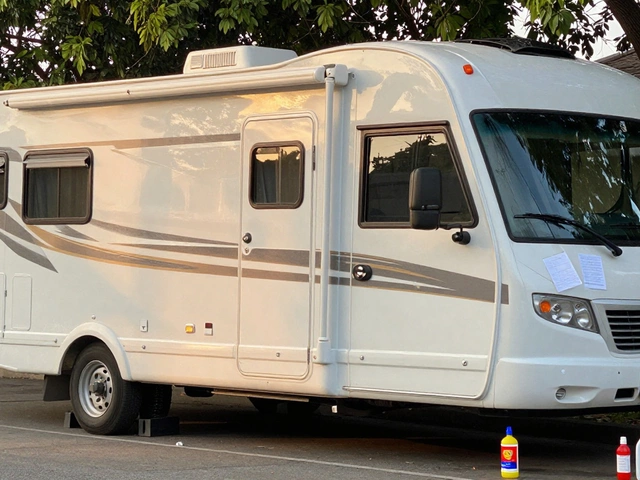
Are these spots suitable for big RVs?
Many dispersed sites are designed for tents and smaller vehicles like trucks or camper vans. Large Class A motorhomes may struggle with narrow, uneven forest roads and tight turnarounds. Always scout the approach road first. If you see other large vehicles parked there, it’s likely feasible, but proceed with caution.