Wild Camping Spot Checker
Select your destination and accommodation type to see the current legal status and tolerance level for free camping in that area.
Legend: Tolerance Levels
Imagine pulling up your car or setting up your tent on a patch of land that feels entirely yours. No booking forms, no £20 pitch fees, and the only sound is the wind through the trees. It sounds like a fantasy, but for many campers in England, it’s a weekly reality. But here is the catch: unlike Scotland, where the Land Reform (Scotland) Act 2003 gives you a clear legal right to roam, England’s wild camping laws are murky, restrictive, and heavily dependent on land ownership. If you’re looking for free camping in England, you aren’t just looking for a spot; you’re navigating a complex web of private property rights, local bylaws, and unwritten etiquette.
So, can you actually sleep anywhere you want? The short answer is no. The long answer involves understanding who owns the land, where the roads end, and which areas tolerate "dispersed camping." This guide breaks down exactly where you can pitch up without opening your wallet, how to do it without getting fined, and what gear makes the experience seamless.
The Legal Reality: Why England Is Different
To understand where you can camp, you first need to grasp why it’s harder here than in Scotland. In Scotland, the "Right to Roam" is codified in law. You can camp almost anywhere, provided you follow the Scottish Outdoor Access Code. England has no such universal statutory right. Instead, most land is privately owned, even if it looks like public countryside. The general rule of thumb used by organizations like the Countryside Alliance is that wild camping is generally tolerated in remote, uncultivated mountainous regions and moorlands, but strictly prohibited in lowland areas, forests, and near populated centers.
This creates a two-tier system. In the north and west-think the Lake District, Dartmoor, and the North York Moors-you have a degree of customary acceptance. In the south and east, particularly around London and the Home Counties, finding a truly free, legal spot is akin to finding a needle in a haystack. If you try to set up a tent in a random field in Surrey, you are likely trespassing. If you do it on the high fells of Cumbria, you’re probably fine, as long as you leave no trace.
Top Regions for Free Camping in England
If you want to maximize your chances of a successful free night, focus your search on specific geographic zones. These areas have either specific legislation allowing access or a long-standing tradition of tolerance.
Dartmoor National Park
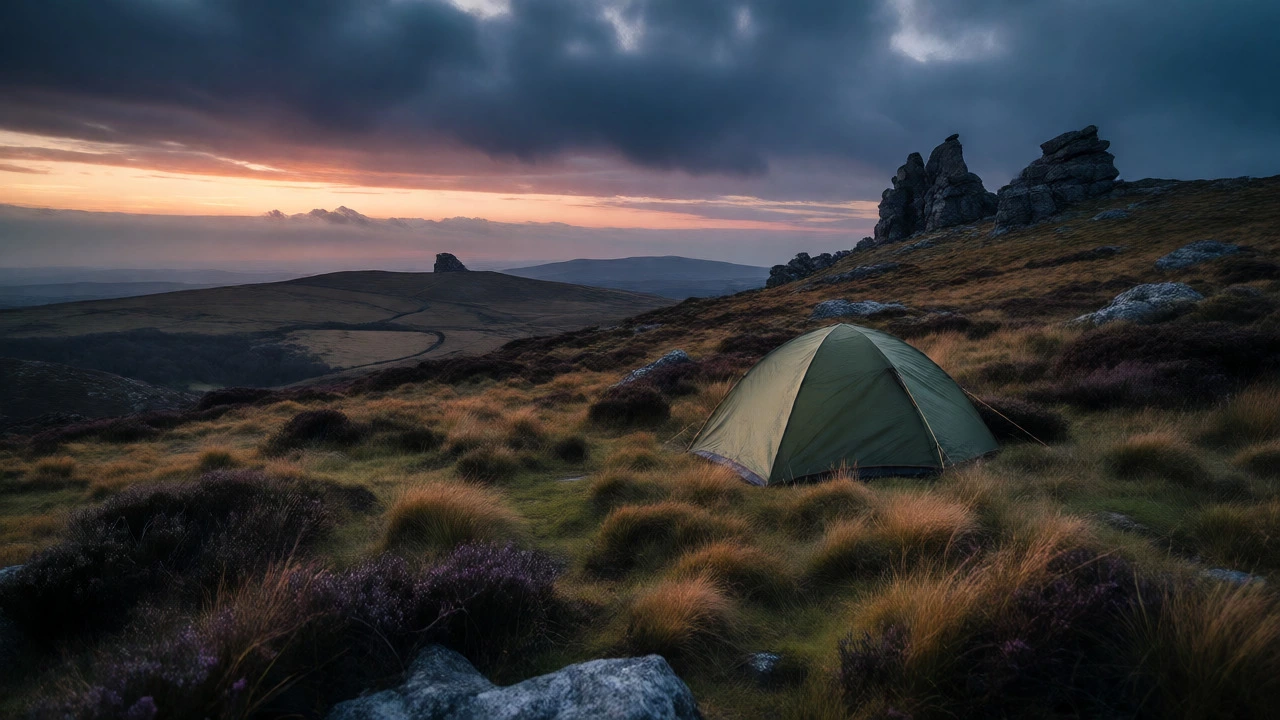
Dartmoor is arguably the best place in England for legitimate free camping. Thanks to the Dartmoor Commons Act 1985, there is a recognized right to camp on common land within the national park. This doesn’t mean you can camp on every inch, but the majority of the open moorland is accessible. Look for designated "camping places" listed by the Dartmoor National Park Authority, or find a flat, dry piece of ground away from footpaths. Be aware that during peak summer weekends, the sheer volume of visitors can make solitude rare, so head further into the interior rather than staying near popular trailheads like Widecombe-in-the-Moor.
The Lake District
The Lake District operates on a policy of "tolerance" rather than strict law. The National Park Authority recommends camping in small groups (two tents max), for one or two nights only, and well away from towns and farms. The key here is discretion. If you arrive late and leave early, avoiding busy times, you are less likely to attract attention. Popular spots include the Langdale Pools area or the higher fells above Windermere. However, note that some specific areas, like parts of the Borrowdale Valley, have introduced bylaws banning camping due to litter issues. Always check local signage before pitching.
The North York Moors
Often overlooked, the North York Moors offers vast stretches of heather moorland that feel incredibly remote. While not all land is common, large sections are managed by the National Trust or Forestry England, and they often allow informal camping if you ask permission or stick to established rough tracks. The Cleveland Way trail passes through this area, providing plenty of potential spots. The terrain is softer than Dartmoor’s granite, so bring a good groundsheet to protect against damp.
Forestry England Sites
Many people forget that state-managed forests are a goldmine for free camping. Forestry England manages over 250,000 hectares of woodland across the country. While many sites charge for formal campsites, numerous others allow "dispersed camping" in designated areas or permit wild camping with prior registration. Check their website for sites marked as "wild camping friendly." Examples include parts of the Forest of Dean and Thetford Forest. The benefit here is infrastructure: you often have access to toilets and water taps nearby, even if you’re sleeping under the stars.
The Grey Areas: Laybys and Roadside Spots
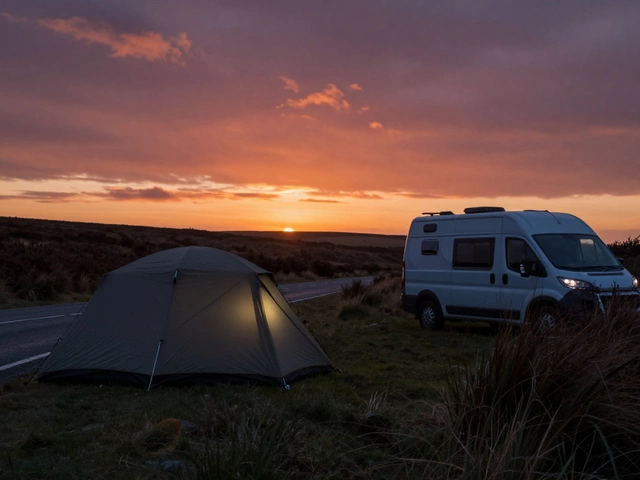
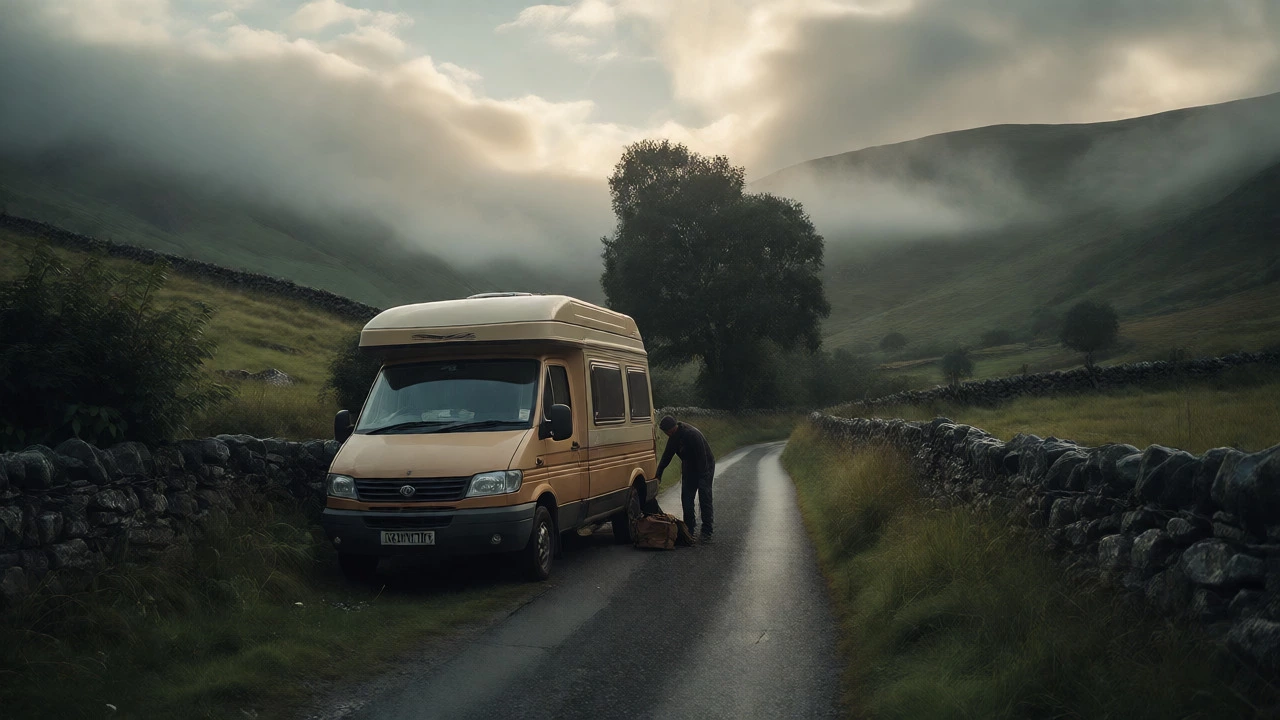
For those traveling in a camper van or a car with a roof tent, the rules shift slightly. Sleeping in a vehicle in a layby is technically different from pitching a tent because the vehicle is considered temporary parking. However, this is still a grey area.
Local councils have become increasingly aggressive in banning overnight parking in scenic laybys. Places like the Old Man of Coniston or certain spots in the Peak District now have clear signs prohibiting "overnight parking" or "motorhomes." Ignoring these signs can result in a Penalty Charge Notice (PCN). The golden rule for roadside camping is: if it’s a small, unmarked layby off a minor road, you’re usually safe for one night. If it’s a large, paved car park at a beauty spot, assume you cannot stay.
| Region | Legal Status | Tolerance Level | Best For |
|---|---|---|---|
| Dartmoor | Statutory Right (Common Land) | High | Tents & Vans |
| Lake District | Tolerance Policy | Medium-High | Discreet Tents |
| Peak District | Mixed/Private | Low-Medium | Vans (Remote Roads) |
| Southern Downs | Private/Trespass Risk | Low | Short Stops Only |
| Forests (National) | Managed Access | Variable | Beginners/Families |
How to Find Specific Spots Today
Knowing the regions is half the battle; finding the actual GPS coordinates is the other half. Gone are the days of wandering blindly. Modern technology has made locating free spots easier, though it requires using the right tools.
First, use mapping apps. Komoot and AllTrails show land boundaries, helping you avoid private farmland. More importantly, look for apps specifically designed for wild camping. Park4Night is invaluable for van life, showing user-submitted reviews of laybys and fields, including whether locals complained about them. For tent campers, Wild Camping UK forums and Facebook groups are active communities where users share recent experiences. Did someone get moved on last week? That info is crucial.
Another tactic is checking parish council websites. Some rural parishes explicitly list allowed camping spots to prevent abuse. It’s tedious research, but it saves you from waking up to a farmer knocking on your tent pole.
Etiquette: The Unwritten Rules of Free Camping
Because free camping relies on tolerance, your behavior determines whether the next camper gets to stay too. Break the etiquette, and you risk having gates locked or signs erected banning camping altogether.
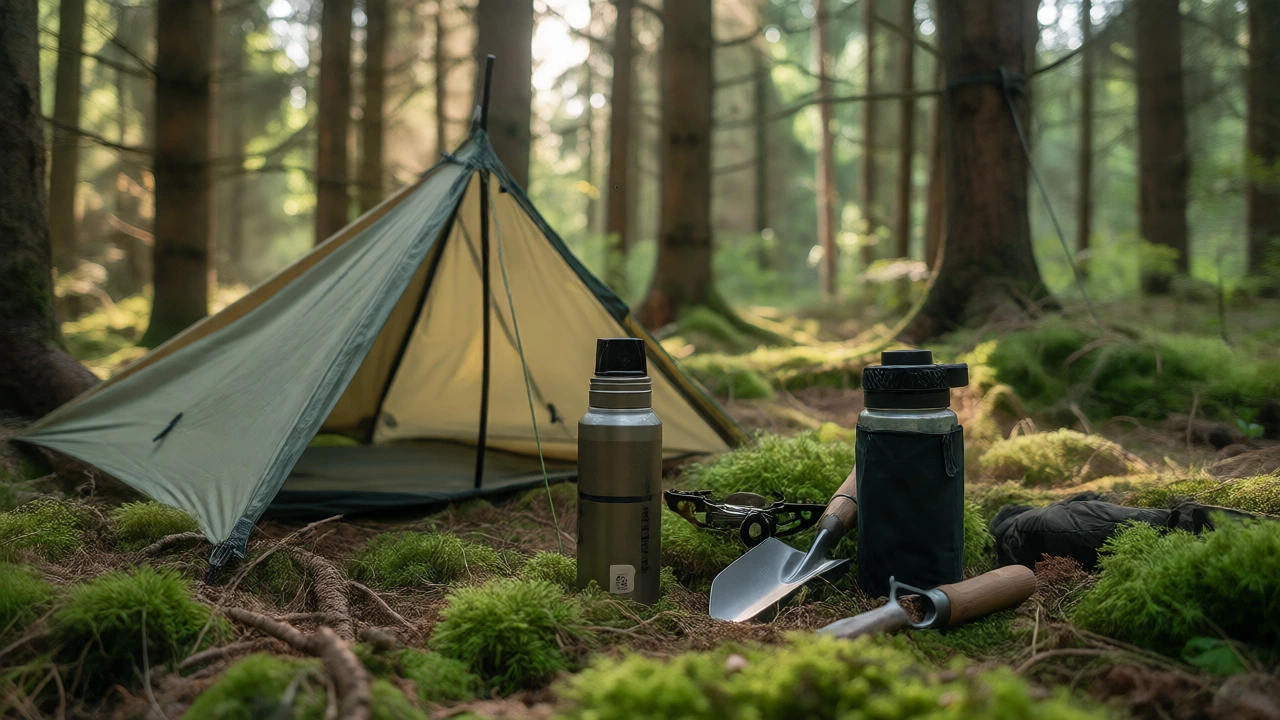
- Leave No Trace: This isn’t just a slogan; it’s a requirement. Pack out everything you pack in, including biodegradable food scraps. Human waste must be buried properly (use a trowel) or packed out if you’re in a sensitive area like a limestone cave system.
- Arrive Late, Leave Early: Pitch your tent after dark and strike it before breakfast. This minimizes visual impact and reduces the chance of confrontation with landowners.
- No Fires: Open fires are rarely permitted in wild camping scenarios in England. They scorch the ground and pose a wildfire risk. Use a gas stove instead.
- Respect Privacy: Do not camp within sight of farmhouses or cottages unless invited. Noise carries in the quiet countryside; keep voices low.
- Small Groups: Solo or duo campers are far more likely to be tolerated than a group of six. Large gatherings look like events, not casual stays.
Gear Tips for Dispersed Camping
Since you won’t have facilities, your gear needs to be self-sufficient. Unlike a booked campsite where you might rely on shared amenities, free camping demands independence.
Invest in a freestanding tent. Many free spots are rocky or uneven, making pegging difficult. A freestanding design allows you to move the inner tent easily if the ground proves uncomfortable. Water storage is critical. Carry at least 5 liters per person per day if you don’t know the location of reliable streams. Filter bottles like the LifeStraw or Sawyer Mini are essential insurance against stomach bugs from untreated water sources.
Finally, consider your visibility. Bright orange or yellow tents stand out. If you’re trying to be discreet, choose earth tones-greens, browns, or greys. This helps you blend into the landscape, reducing the likelihood of being spotted by passing hikers or farmers.
Alternatives When Free Isn’t an Option
Sometimes, the perfect free spot is already taken, or the weather turns nasty, and you just want a toilet and a hot shower. Don’t let the pursuit of "free" ruin your trip. There are ultra-low-cost alternatives that offer great value.
Look for YHA Hostels with camping pods. Some locations offer dorm-style bunkhouse accommodation for £10-£15, which includes heating and security. Alternatively, Trust for Nature sites sometimes offer basic pitches at minimal cost. Another option is "workamping," where you help maintain a site for a few hours in exchange for a pitch. Platforms like Workaway or HelpX connect travelers with hosts needing assistance.
Frequently Asked Questions
Is wild camping illegal in England?
It is not strictly illegal in most cases, but it is often considered civil trespass. Since trespass is a civil matter, not a criminal one, police rarely intervene unless there is damage or disturbance. However, landowners can ask you to leave, and refusing to do so could lead to eviction or fines for persistent trespass.
Can I camp on beaches in England?
Generally, no. Most English beaches are owned by the Crown Estate or private entities, and local bylaws frequently prohibit camping to preserve cleanliness and safety. Exceptions exist in very remote coastal areas, but you should always check local signage. Beach camping is much more common in Wales and Scotland.
Do I need permission to camp on private land?
Yes, technically you need the landowner's permission. In practice, for a single night in a remote area, asking is often seen as overly cautious and may draw unnecessary attention. However, if you are in a semi-rural area or planning to stay more than one night, knocking on the farmhouse door and asking is polite and often appreciated.
What is the difference between wild camping and dispersed camping?
Wild camping typically refers to pitching a tent in undeveloped, natural environments like mountains or moors. Dispersed camping is a term often used in forestry contexts, referring to camping outside of designated campgrounds but within managed forest lands. Both imply a lack of facilities, but dispersed camping often occurs in areas with existing infrastructure like trails and fire rings.
Are there any free campsites in the Peak District?
True free camping is rare in the Peak District due to high visitor numbers and fragmented land ownership. However, some Forestry England sites allow camping for a nominal fee or free with registration. Additionally, some farmers offer basic pitches for very low cost (£5-£10), which is often worth paying for peace of mind compared to risking a trespass complaint.