Campsite Water Safety Checker
Select the water source your dog is considering drinking to see the risk level and recommended actions.
Select a water source above
Click a button to view safety recommendations for your pup.
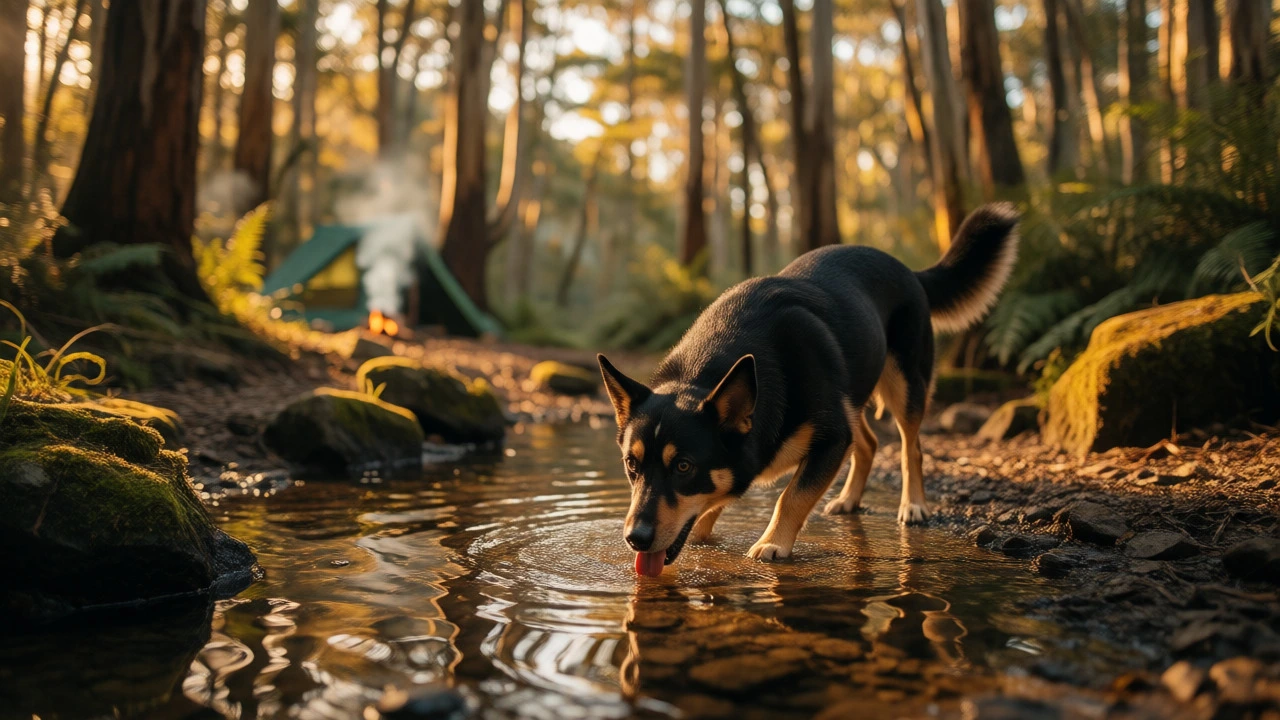
You’ve just set up your tent at a remote bush campsite in the Blue Mountains. The air smells of eucalyptus, the fire is crackling, and your dog is happily sniffing around the perimeter. Then it happens: you turn away for two seconds to grab a marshmallow, and your pup laps up half a puddle of stagnant water from a nearby creek bed. Your heart sinks. You know that wild water isn’t exactly sterile, but how bad is it really?
The short answer is: it depends. While clean, treated tap water at established caravan parks is generally safe for dogs, untreated natural sources carry risks that can range from an upset stomach to serious parasitic infections. As a camper who has spent more nights under the stars than in my own bed here in Sydney, I’ve learned that knowing what’s in the water bowl is just as important as checking the weather forecast.
The Two Worlds of Camping Water
Not all campsites are created equal, and neither is their water. If you’re staying at a well-established campground in New South Wales or Queensland, you likely have access to potable water taps. This water usually comes from a town supply or a heavily filtered bore system. It’s treated with chlorine or UV light to kill bacteria. For your dog, this is almost always fine. In fact, it’s often safer than the water sitting in your own plastic jerry cans for three days, which can develop biofilm if not cleaned regularly.
The trouble starts when you venture into wild camping areas or national parks where "potable" means "boil first." Here, you might be relying on rainwater tanks or nearby streams. Rainwater tanks, while great for humans after boiling, can harbor bird droppings and dust. Stream water is even trickier because it flows over land, picking up animal waste, fertilizer runoff, and organic decay along the way.
What’s Actually Hiding in Wild Water?
It’s easy to think that clear, running water is clean. But microscopic threats don’t show up in a visual inspection. When your dog drinks from a natural source, they are potentially ingesting a cocktail of pathogens. The most common culprits aren’t exotic monsters; they’re everyday nuisances with nasty side effects.
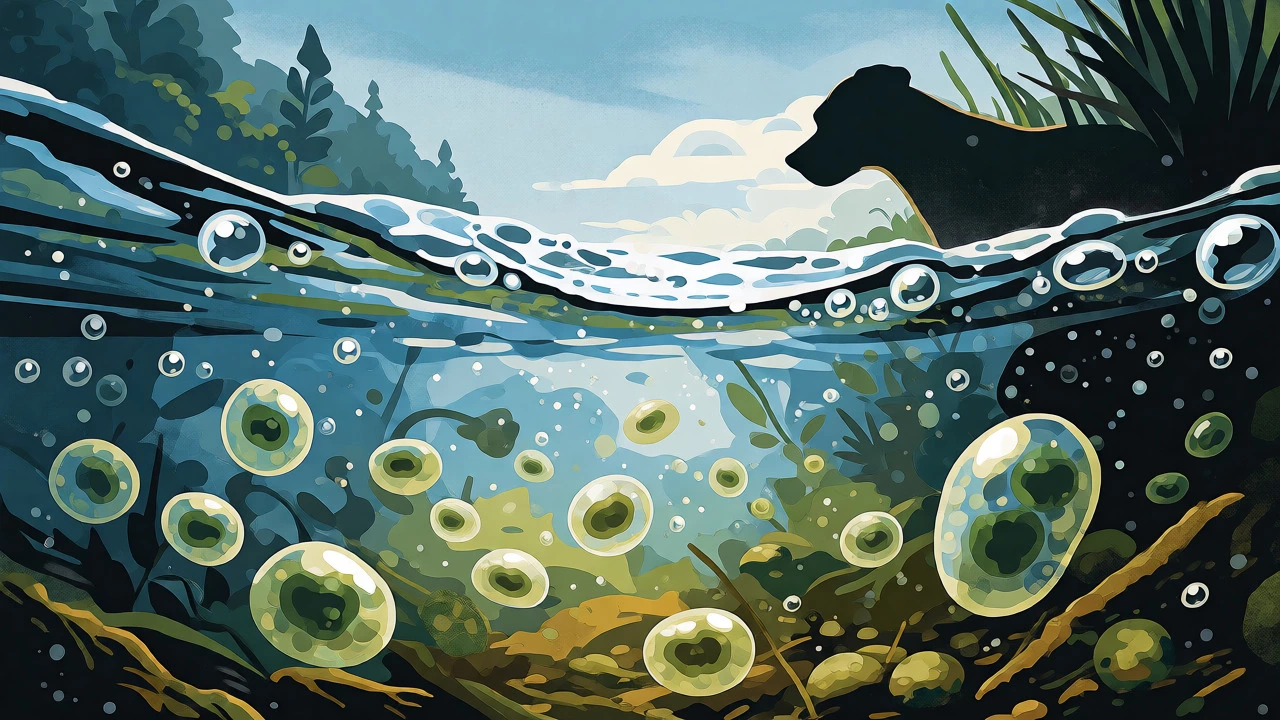
- Giardia: This protozoan parasite is the big one. It causes giardiasis, leading to foul-smelling, greasy diarrhea that can last for weeks. It’s prevalent in freshwater streams contaminated by wildlife feces.
- Cryptosporidium: Similar to Giardia but harder to filter out due to its tiny size. It attacks the small intestine and is resistant to standard chlorine treatment.
- Leptospirosis: A bacterial infection spread through urine from rats, possums, or livestock. It can cause kidney and liver failure in dogs. Puddles near farmland are high-risk zones.
- Bacteria: E. coli and Salmonella are common in stagnant ponds. They cause acute vomiting and dehydration, which is dangerous enough without considering other complications.
In Australia, we also deal with local variants of these parasites. The Australian Veterinary Association notes that Giardia duodenalis is widespread in native fauna, meaning every time a wallaby or bandicoot uses the creek, they’re seeding it with potential pathogens.
Is Chlorinated Tap Water Safe for Dogs?
Yes, but with caveats. Municipal water contains chlorine to keep it safe for humans. Dogs can handle small amounts of chlorine without issue. However, if you’re using water directly from a heavy-duty industrial chlorinator at a campground, let it sit in an open bucket for 10-15 minutes before giving it to your dog. This allows some of the volatile chemicals to dissipate. Also, watch out for fluoride levels in certain inland towns; while rarely harmful in small doses, excessive long-term intake can affect dental health in puppies.
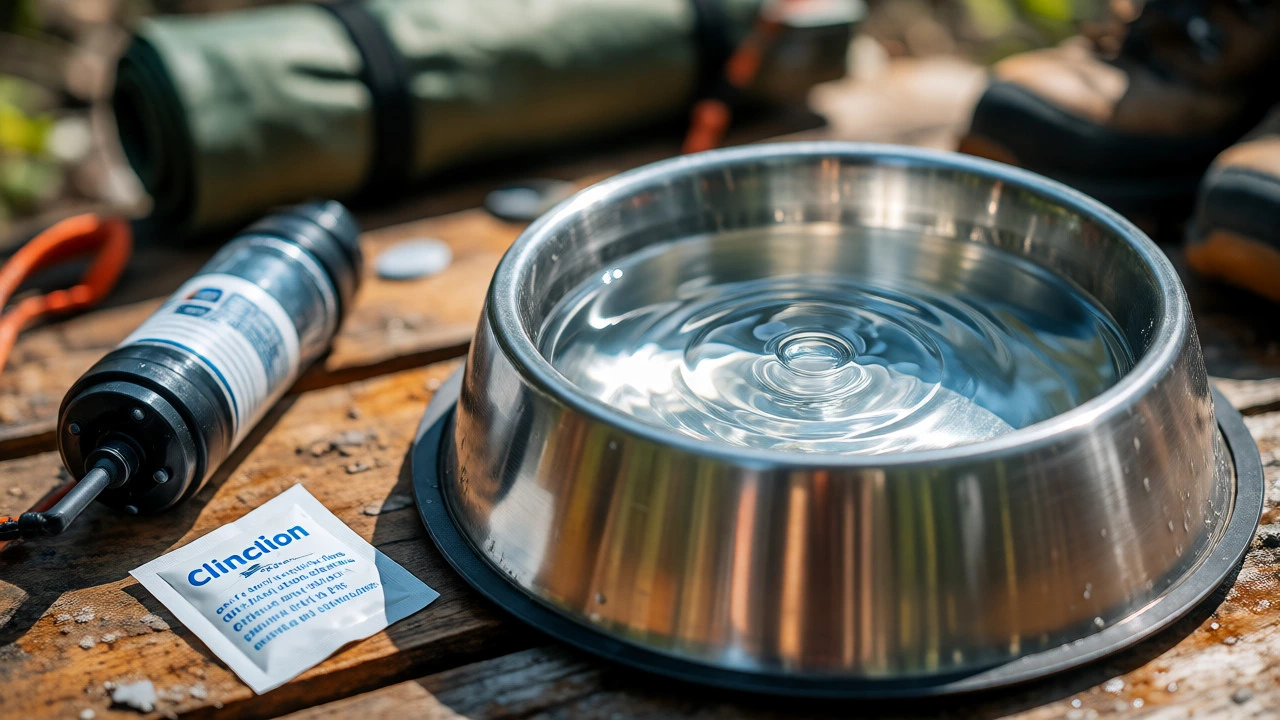
If you use a portable filter, check the specs. Many basic camping filters remove sediment and large bacteria but do not remove viruses or protozoan cysts like Giardia. For dogs, physical filtration combined with chemical tablets (like iodine or chlorine dioxide) is the gold standard for backcountry safety.
Signs Your Dog Got Sick from Bad Water
Dogs can’t tell us their tummy hurts. You have to read the signs. Symptoms of waterborne illness usually appear within 24 to 72 hours after exposure, though Giardia can take up to two weeks to manifest. Keep an eye out for:
- Sudden Diarrhea: Especially if it’s pale, yellowish, or contains mucus. Giardia poop often looks like clay or putty.
- Lethargy: If your usually hyperactive lab is refusing to play fetch or walk beyond the tent pegs, something’s wrong.
- Vomiting: Repeated retching indicates gastric irritation from bacteria or toxins.
- Loss of Appetite: A dog that ignores treats is a dog in distress.
- Dehydration: Check skin elasticity. Gently pinch the skin between the shoulder blades. If it stays tented instead of snapping back, your dog needs fluids immediately.
If you see blood in the stool or persistent vomiting lasting more than 24 hours, cut the trip short. Dehydration hits dogs faster than humans, especially in hot Australian summers.
Practical Strategies to Keep Your Pup Hydrated Safely
You don’t need to pack a water purification plant for a weekend trip, but you do need a plan. Here is how I manage water for my kelpie mix when we head out to Kosciuszko National Park.
| Source Type | Risk Level | Recommended Action |
|---|---|---|
| Municipal/Tap Water | Low | Safe to drink. Let sit briefly if strongly chlorinated. |
| Rainwater Tank | Medium | Boil or filter if tank hasn't been cleaned recently. |
| Flowing Creek/River | High | Filter + Chemical Treatment. Avoid downstream of farms. |
| Stagnant Pond/Puddle | Very High | Avoid completely. Risk of Lepto and Algae. |
| Ocean Water | Variable | Small sips okay. Large amounts cause salt toxicity. |
1. Carry More Than You Think You Need
Dogs lose water quickly through panting. In summer temperatures above 30°C, a medium-sized dog needs about 50ml per kilogram of body weight daily, plus extra for activity. If you’re hiking, double that. I carry a collapsible silicone bowl and a 5-liter bladder bag. Never rely on finding water en route.
2. Use Proper Filtration
If you must refill from nature, use a pump filter rated for 0.2 microns (absolute pore size). This physically blocks Giardia cysts (which are 8-12 microns) and Cryptosporidium oocysts (4-6 microns). Brands like Sawyer or Katadyn are reliable. After filtering, add a chlorine dioxide tablet for extra security against viruses.
3. Monitor Salt Intake
At beach campsites, it’s tempting to let dogs lap up seawater. One or two licks are fine. Drinking a full bowl will cause osmotic diarrhea and can lead to sodium ion poisoning. Always have fresh water ready to rinse their mouth and rehydrate them after swimming.
4. Clean the Bowl Daily
This is overlooked. A plastic dog bowl left in the sun becomes a petri dish for algae and bacteria within hours. Wash it with hot soapy water every night, or use a stainless steel bowl which resists biofilm buildup better.
When to See a Vet After Camping
Don’t wait until you’re home to address issues. If your dog develops symptoms while still at the campsite, call your vet back home. Many clinics offer telehealth consultations now. Describe the water source they drank from. If it was a farm dam, mention that specifically-Leptospirosis requires different antibiotics than Giardia.
Prevention is cheaper than cure. Vaccinating your dog against Leptospirosis (if available in your region) and keeping them on regular deworming schedules reduces the risk significantly. But no vaccine protects against every strain of Giardia, so water hygiene remains your primary defense.
Frequently Asked Questions
Can dogs drink rainwater from a tank?
Generally, yes, if the tank is covered and maintained. However, open tanks exposed to birds and insects can contain fecal matter and larvae. If the water looks cloudy or smells musty, boil it or filter it before giving it to your dog.
Is bottled water better for dogs at campsites?
Bottled water is safe but impractical for multi-day trips due to weight and waste. Treated tap water is usually sufficient. If you are in a very remote area with questionable infrastructure, carrying a few liters of bottled water as a backup for emergencies is a smart move.
How do I treat Giardia in dogs naturally?
While medications like fenbendazole are the standard veterinary treatment, supporting gut health with probiotics and easily digestible foods (like boiled chicken and rice) helps recovery. Always consult a vet for diagnosis, as Giardia requires specific prescription medication to eradicate fully.
Can dogs get sick from swimming in campsite lakes?
Yes. Swimming increases the chance of accidental ingestion. Lakes can also have blue-green algae blooms, which are highly toxic to dogs and can cause liver failure rapidly. If the water has a paint-like sheen or smells like septic sewage, keep your dog out entirely.
Do portable water purifiers work for dogs?
Yes, but choose the right type. Straw-style filters are good for individual use. Gravity-fed systems are better for group camping. Ensure the filter removes protozoa (Giardia/Crypto), not just bacteria. UV pens are effective but require clear water to work properly.